Skullcap Care (Scutellaria indica)

Also known as: Tcatcabonuksik
Skullcap

About Skullcap

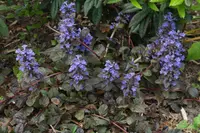
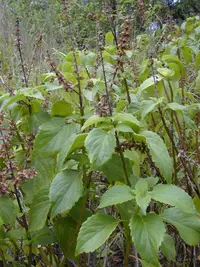
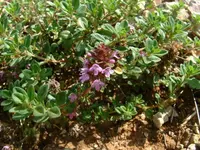
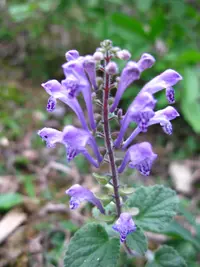
Skullcap (Scutellaria indica) is a small, herbaceous perennial in the mint family, valued mainly for its low, spreading growth and colorful blooms. It forms compact clumps or mats with upright stems and paired leaves, topped by tubular flowers in shades of blue, purple, or occasionally pink.

This species occurs naturally in parts of East and Southeast Asia, where it often grows in woodland edges and lightly shaded slopes. It is generally considered moderately easy to grow if provided with well-drained soil, regular moisture, and partial shade. Gardeners who learn how to care for Skullcap usually find it reliable as a groundcover or edging plant in mild climates.

Main Plant Requirements

Care Difficulty

Moderate Care

Light Preference

Partial Shade

Water Requirements

Moderate Water

Temperature Preference

Warm Climate

Hardiness Zone

7–10

Soil Texture

Loamy, Silty, Organic-rich

Soil pH

Acidic (5.5–6.5), Slightly acidic (6.5–7.0)

Soil Drainage

Moist but well-drained

Fertilization

Minimal (feed rarely)

Get Personalized Care Plan

Scan your plant to receive care tips personalized for your specific plant

Available on iOS and Android

How to Care for the Skullcap

Scutellaria indica prefers soft woodland-style light rather than harsh, open sun.

  • Provide 3–5 hours of gentle morning sun with bright dappled or filtered light the rest of the day, especially in spring and fall.
  • Allow partial shade, especially afternoon shade; 50–70% shade cloth or a spot under high tree canopy helps prevent leaf scorch.
  • Watch for pale, leggy stems as a sign of too little light, and for crisped edges or bronzing as a sign of excessive direct sun.

This woodland perennial prefers consistently moist but not waterlogged soil.

  • Water when the top 2–4 cm of soil feel dry, aiming to keep the root zone slightly damp during active growth.
  • Use a loose, well-drained soil rich in organic matter so excess water drains in 10–20 seconds from a test pour.
  • Reduce watering frequency in cool seasons; drooping, thin leaves signal underwatering, while yellowing lower leaves and a sour smell indicate overwatering.

This species grows best in mild, temperate conditions without temperature extremes.

  • Aim for 60–77°F (16–25°C) during active growth for steady foliage and flowering.
  • Protect plants when temperatures approach 32°F (0°C); light frost may damage new growth, and hard freezes can kill unmulched crowns.
  • In hot spells above 86°F (30°C), increase shade and mulch the root zone to keep soil cooler and reduce heat stress.

This species prefers moderately moist air but adapts to typical indoor humidity if not exposed to extremes.

  • Aim for 40–60% humidity to reduce leaf edge browning and support steady growth when caring for Skullcap.
  • It tolerates short periods of dry air, but prolonged levels below 30% can cause curled, crispy leaf tips and slower growth.
  • Increase humidity by grouping pots, placing trays with water and pebbles nearby, or running a small humidifier in very dry rooms.

Scutellaria indica grows best in loose, moist, well-drained soil that mimics a woodland edge habitat.

  • Use a loamy mix made from roughly 2 parts peat-free potting mix, 1 part compost, and 1 part perlite or coarse sand for structure.
  • Ensure fast drainage so water does not stand around the roots, which are prone to rot in waterlogged or compacted soil.
  • Aim for slightly acidic to neutral soil, roughly pH 6.0–7.0, to support nutrient availability and healthy root activity.
  • Improve aeration by mixing in fine bark or extra perlite if the soil feels dense, and avoid heavy clay that stays wet for long periods.

This species is suitable for container growing, especially in small outdoor spaces or patios.

  • Choose a wide, shallow to medium-depth pot that allows rhizomes and spreading roots to expand horizontally without crowding.
  • Select a stable container shape to prevent tipping as the plant spreads and becomes denser at the rim.
  • Use a pot material that matches your climate, such as terracotta for slightly faster drying in humid regions or glazed plastic for slower drying in hot, dry areas.

Scutellaria indica is modest in its nutrient needs but responds well to light, consistent feeding in active growth.

  • Use a balanced, water-soluble fertilizer (such as 10-10-10) diluted to 1/4–1/2 strength for Skullcap in spring and summer.
  • Apply every 4–6 weeks during the main growing season, skipping any feed if growth slows due to heat or drought.
  • In richer garden soil, use a thin layer of compost in spring instead of frequent synthetic feeding.
  • Reduce or stop fertilizing in fall and winter to avoid forcing soft, weak growth during dormancy.

Pruning Scutellaria indica keeps the plant compact, encourages bushier growth, and can extend flowering.

  • In late winter or very early spring, trim back weak or leggy stems by up to 1/3 to refresh plant shape.
  • During bloom season, shear or pinch back spent flower spikes to promote additional branching and more flowers.
  • Remove dead, diseased, or damaged stems as soon as noticed using clean, sharp scissors or hand pruners.
  • Thin out congested interior stems to improve airflow, reducing humidity around foliage and limiting fungal problems.

This species is more often grown in the ground, but container plants or crowded clumps benefit from occasional transplanting.

  • Plan repotting or lifting and transplanting for early spring or early fall, when temperatures are mild and stress is lower.
  • Look for roots circling the pot, water running straight through, or noticeably slower growth as signs a container plant needs more space.
  • Repot every 2–3 years into a container 2–5 cm wider, using a freely draining mix and gently loosening circling roots.
  • After transplanting Scutellaria indica, water thoroughly, shade from strong sun for a few days, and keep soil evenly moist to support root recovery.

Scutellaria indica is commonly propagated by division, softwood cuttings, or seeds under suitable conditions.

  • Divide established clumps in early spring, keeping several shoots and healthy roots per division, then replant at the original depth.
  • Take soft, non-flowering stem cuttings in late spring, treat the base with rooting hormone, and root in moist, well-drained medium.
  • Provide bright, indirect light, high humidity, and temperatures around 65–75°F to support rapid rooting of cuttings.
  • Sow seeds on the surface of a light seed mix, keep evenly moist, and maintain gentle warmth for steady germination.

In many mild to moderate climates, Scutellaria indica is fairly cold tolerant and needs only simple winter care outdoors.

  • In regions with frosts, apply a 3–5 cm layer of mulch around the root zone in late fall, keeping it slightly away from stems.
  • Allow top growth to die back naturally, then cut down spent stems to just above ground level in late winter.
  • For container plants in colder areas, move pots to a sheltered, frost-free but cool spot and water sparingly.

Care Tips

Encourage Compact Growth

Pinch back soft shoot tips in early spring to promote a denser, low mound and reduce the chance of stems flopping as they elongate through the season.

Use Light Mulching

Apply a thin 2–3 cm layer of fine bark or leaf mold around, but not touching, the crowns to keep shallow roots cool and evenly moist while suppressing small weeds.

Plan for Gradual Spreading

Space plants with 20–30 cm between crowns and allow time for slow lateral expansion, then divide or lift and replant outer sections every 3–4 years to maintain a healthy, vigorous patch.

Monitor Crown Health

Inspect the crown area monthly, gently clearing fallen leaves and debris so air can circulate around the stems and to catch crown rot or dieback early.

Seasonal Container Rotation

If grown in pots, shift containers to a slightly shadier, more sheltered spot during the hottest part of summer to reduce heat stress and encourage steadier performance when growing Skullcap.

Everything About Skullcap

Common Pests and Diseases

Spider mites

This pest feeds on the undersides of leaves, causing tiny pale speckles, dulling of the foliage, and fine webbing in dry, warm conditions.

Solution

Rinse foliage thoroughly with a strong but gentle stream of water, focusing on leaf undersides, then increase humidity and reduce heat stress; for persistent infestations, apply insecticidal soap or horticultural oil every 7–10 days, ensuring full coverage of all leaf surfaces.

Aphids

These insects cluster on soft stems and young leaves, sucking sap and causing curling, distortion, and sticky honeydew that can lead to sooty mold.

Solution

Pinch or rinse off colonies with water, then treat remaining insects with insecticidal soap or a dilute neem oil spray, repeating weekly until no new aphids appear and monitoring nearby plants to prevent re-infestation while growing Skullcap.

Powdery mildew

This disease produces white, powdery patches on leaves and stems, which can lead to yellowing and premature leaf drop in humid, stagnant air.

Solution

Remove and discard affected leaves, improve air circulation and avoid overhead watering, then apply a sulfur or potassium bicarbonate fungicide according to label directions to protect healthy foliage.

Leaf spot

This disease causes irregular brown or purple spots on leaves, sometimes with a yellow halo, and can weaken plants when foliage remains wet for long periods.

Solution

Prune and discard heavily spotted leaves, water at soil level to keep foliage dry, increase spacing and airflow, and use a copper-based or chlorothalonil fungicide if new spots continue to appear.

Interesting Facts

East Asian woodland herb

This species is native to shaded forest floors in East Asia, especially China, Korea, and Japan, where it grows as a small, spreading perennial in humus-rich, moist soils beneath trees and shrubs.

Crested helmet flowers

The flowers develop a distinctive flattened, cap-like structure on the upper lip of the corolla that resembles a tiny shield or helmet, a feature that inspired the genus name Scutellaria, from the Latin for little dish or shield.

Patch-forming groundcover

Plants spread slowly by short rhizomes just below the soil surface, forming loose, low mats that can carpet small areas of woodland edge or understory over time without becoming aggressively invasive in natural settings.

FAQs about Skullcap

This species forms small clumps and slowly spreads by short rhizomes and self-seeding. It usually stays manageable, but in ideal conditions it can create a loose groundcover. Occasional division or thinning keeps it from crowding nearby plants.

Grow Healthy Plants with Botan Care

Keep your plants happy and healthy with plant identification, disease detection, and easy care guidance.

Botan plant care app — identify plants on mobile

Explore More Plants