Striped Tamarak Care (Albuca suaveolens)

Also known as: Striped Chink
Striped Tamarak

About Striped Tamarak

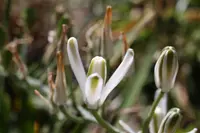
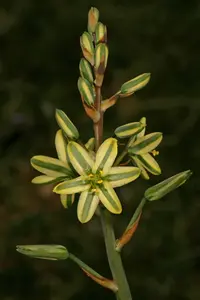
Striped tamarak (Albuca suaveolens) is a small bulbous perennial known for its narrow, arching, often striped leaves and upright spikes of greenish-yellow, fragrant flowers. It grows from underground bulbs that rest in summer and re-sprout when conditions improve.

This species is native to South Africa, where it typically grows in open, sunny habitats with well-drained, often rocky soils. It prefers bright light, modest watering, and a free-draining mix, which helps prevent bulb rot.

Once its seasonal rhythm is understood, it is a relatively undemanding plant. Basic knowledge of how to care for Striped Tamarak makes it suitable for growers with some experience of bulbs or succulent-like plants.

Main Plant Requirements

Care Difficulty

Moderate Care

Light Preference

Full Sun

Water Requirements

Low Water

Temperature Preference

Warm Climate

Hardiness Zone

9–11

Soil Texture

Sandy, Loamy, Rocky

Soil pH

Slightly acidic (6.5–7.0), Neutral (7.0)

Soil Drainage

Well-drained

Fertilization

Minimal (feed rarely)

Get Personalized Care Plan

Scan your plant to receive care tips personalized for your specific plant

Available on iOS and Android

How to Care for the Striped Tamarak

Albuca suaveolens prefers bright, direct sun for strong, compact growth.

  • Provide 6–8 hours of full sun daily, ideally with strong morning sun and lighter afternoon exposure, especially in hotter regions.
  • Plant in an open, unshaded spot; Striped Tamarak tolerates light partial shade, but flowering and leaf firmness decrease with less than 4–5 hours of direct sun.
  • Watch for stress signals: pale, stretched leaves indicate insufficient light, while scorched tips or bleached patches suggest too much intense midday sun.

Albuca suaveolens is a bulb adapted to dry periods and is sensitive to excess moisture.

  • During active growth, water only when the top 3–5 cm of soil is fully dry, allowing water to drain quickly away from the bulbs.
  • Use sharply draining, gritty soil; prolonged soggy conditions cause bulb rot, soft bulbs, and yellowing, collapsing leaves.
  • In summer dormancy, reduce watering to very light, infrequent sips or keep almost dry; wrinkling leaves or shriveling bulbs suggest slightly more water is needed.

This bulb prefers mild conditions and dislikes both hard frost and extreme heat.

  • Optimal growing temperatures are 60–75°F (16–24°C), with cool nights helping maintain compact foliage and healthy bulbs.
  • Protect from frost; brief dips to 28–32°F (-2–0°C) may be survived if soil is dry, but repeated freezes damage bulbs and new shoots.
  • In hot climates above 90°F (32°C), provide afternoon shade and very free-draining soil to reduce heat stress and prevent rot during warm nights.

Humidity plays a minor role for Albuca suaveolens, which thrives in relatively dry air.

  • Aim for 30–50% humidity, similar to most heated indoor homes.
  • The plant tolerates dry air well; leaves rarely show stress unless combined with heat and underwatering.
  • If leaf tips brown or curl while soil moisture is adequate, raise humidity slightly with a nearby water tray rather than misting, which adds little benefit.

Albuca suaveolens prefers a fast-draining, sandy mix that protects bulbs from excess moisture.

  • Use a cactus or succulent mix amended with extra coarse sand or fine gravel to keep the texture loose and airy.
  • Ensure very rapid drainage; water should run through within seconds and the mix should dry within a few days.
  • A slightly acidic to neutral pH around 6.0–7.0 is suitable and usually achieved with standard commercial succulent blends.
  • Avoid heavy peat-only mixes or garden soil that compacts, stays wet, and encourages bulb rot; add perlite or pumice to improve aeration.

This species is well suited to container growing, especially in regions with cool or wet winters.

  • Choose a pot slightly deeper than the bulbs to allow room for roots while keeping the bulbs near the surface for quicker drying after watering.
  • Select unglazed terracotta if extra evaporation is needed, or glazed ceramic in very hot, dry climates to slow moisture loss.
  • Use a wide, stable pot shape so the foliage mass does not tip the container when the medium dries and becomes lighter.

Albuca suaveolens benefits from light, targeted feeding during active growth while remaining unfertilized in true dormancy.

  • Use a balanced liquid fertilizer at 1/4–1/2 strength every 4–6 weeks in the main growing season, typically fall to spring.
  • Choose a low-salt, balanced NPK or slow-release bulb fertilizer suited to caring for Striped Tamarak in pots or well-drained beds.
  • Skip feeding once leaves yellow and the bulb enters dormancy, resuming only when fresh growth appears.
  • Water before applying fertilizer to prevent root burn and avoid manure-heavy composts that stay wet or compacted.

Albuca suaveolens needs only light pruning to keep foliage tidy and manage spent growth.

  • Best time for pruning is late dormancy or just after flowering, when leaf and flower decline is clear.
  • Remove dead, yellowed, or damaged leaves by cutting them at the base with clean, sharp scissors or pruners.
  • Trim only dry flower stalks after seed set if seedlings are not desired, which directs energy back to the bulb.
  • Avoid cutting healthy green foliage, as this reduces photosynthesis and can weaken future flowering.

This bulb prefers snug containers and infrequent disturbance, so repotting is occasional rather than frequent.

  • Plan to repot every 2–3 years or when roots circle the pot, growth slows, or bulbs crowd the surface.
  • Repot in late summer to early fall just before active growth, using a shallow pot and very free-draining mix.
  • Lift bulbs gently, disturb roots as little as possible, and replant at the same depth, spacing crowded offsets slightly apart.
  • Water lightly after repotting, then allow the mix to dry partly between waterings to limit transplant shock and rot.

Propagation of Albuca suaveolens is most reliable from offsets, with seeds as a slower option for patient growers.

  • Divide offsets when repotting in late summer or early fall, separating firm, healthy bulbs from the main clump.
  • Replant offsets into a gritty, well-drained mix, keeping the neck just at or slightly above the surface.
  • For seed, sow fresh seed on the surface of moist, sandy mix at 65–75°F with bright, indirect light.
  • Keep the substrate just barely moist, avoid waterlogging, and thin seedlings to prevent overcrowding as they develop.

This bulb is not strongly frost hardy and benefits from basic winter protection in cool climates.

  • In regions below about 25°F, grow in containers and move indoors to a bright, cool, frost-free spot for winter.
  • If planted outdoors in mild climates, add a light, dry mulch around the bulbs to insulate the root zone.
  • Keep soil on the dry side in winter dormancy, especially in containers, to reduce the risk of bulb rot from cold, wet media.

Care Tips

Dormancy handling

After foliage yellows and collapses in late spring or summer, stop watering completely, move the pot to a dry, bright spot, and only resume light watering once new growth tips appear at the top of the bulbs.

Pot depth control

Plant bulbs so that the top third remains above the soil line in a deep, narrow pot; this improves drainage around the neck of the bulb and reduces the risk of rot while providing adequate depth for roots.

Seasonal light shift

Rotate the pot weekly during the active season and, if possible, move it to the brightest available window or under a grow light from fall to early spring to keep foliage compact and prevent leaning.

Targeted pest checks

Inspect the tight areas around bulb necks and leaf bases every few weeks for mealybugs or scale, using a cotton swab dipped in 70% isopropyl alcohol to remove early infestations before they reach the roots.

Repotting schedule

Repot only every 2–3 years at the end of dormancy, gently lifting and separating crowded offsets so each bulb has at least 1–2 cm of space, which maintains good airflow and supports healthier flowering when growing Striped Tamarak.

Common Pests and Diseases

Bulb mites

This pest often attacks stored or overly wet bulbs, feeding on the bulb scales and basal plate. Symptoms include poor sprouting, weak growth, and bulbs that feel soft or corky when inspected.

Solution

Discard heavily infested bulbs, then dry and cure healthy bulbs in a warm, airy place before replanting. For prevention, keep Albuca bulbs in a sharply drained, sandy mix, avoid overwatering during dormancy, and sterilize pots and tools before reuse.

Narcissus bulb fly

This pest lays eggs at the neck of the bulb, and the larvae tunnel inside and destroy the bulb tissue. Symptoms include sudden collapse of leaves, failure to resprout, and bulbs that are hollowed out when cut open.

Solution

Remove and destroy any suspect bulbs to prevent larvae from completing their life cycle. Where this fly is common, cover pots or beds with fine insect mesh during flight periods and grow Albuca suaveolens in containers that can be moved or monitored more easily.

Basal plate rot

This disease is caused by soilborne fungi that attack the base of the bulb, especially under cool, wet conditions. Symptoms include yellowing foliage, stunted growth, and a brown, rotting area at the bulb base that may have a musty smell.

Solution

Discard affected bulbs and improve drainage by using a gritty, sterile mix with high mineral content. Allow the soil to dry between waterings, avoid overhead watering, and do not reuse contaminated soil or containers without thorough cleaning.

Leaf scorch

This disease results from intense sun and low moisture in the soil–air interface around the narrow leaves, often combined with fertilizer salts. Symptoms include dry, brown tips and margins on leaves while the bulb remains firm.

Solution

Provide bright light with light midday shade in hot climates, and water deeply but infrequently so the mix dries slightly between waterings. Flush the potting mix with plain water a few times per year to remove excess fertilizer salts and avoid high-strength feeds.

Interesting Facts

Sweet-scented spiral flowers

This species produces greenish-white flowers in loose spirals along the stem, with a distinct sweet fragrance that becomes stronger in warm, still air.

Winter-growing bulb

Albuca suaveolens is a geophyte that grows mainly in the cooler, wetter months in its native South African range and can enter dormancy during hot, dry summers.

Namaqualand specialist

In the wild it occurs mostly in arid and semi-arid regions such as Namaqualand, where it is adapted to shallow, stony soils and highly seasonal rainfall.

Botan icon

Did you know?

Albuca suaveolens stores water and nutrients in an underground bulb, allowing it to rapidly resprout and flower after seasonal rains in habitats that can remain dry for many months.

FAQs about Striped Tamarak

Lack of flowers usually comes from insufficient cool rest, too much water in dormancy, or inadequate light. This bulb needs a pronounced dry rest after foliage yellows, then brighter light and moderate feeding to set buds next season.

Grow Healthy Plants with Botan Care

Keep your plants happy and healthy with plant identification, disease detection, and easy care guidance.

Botan plant care app — identify plants on mobile

Explore More Plants