Stake Tall Spikes
Install sturdy stakes or discreet green canes around emerging flower stems in late spring and loosely tie them with soft ties to prevent wind damage or snapping once the spikes reach 1.5–3 m.

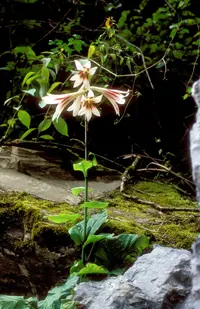
The giant Himalayan lily, Cardiocrinum giganteum, is a dramatic bulbous perennial known for its towering flower spikes and bold, heart-shaped foliage. It grows from a large bulb and forms clumps of lush green leaves before sending up a single tall stem when mature.
In the wild it occurs in cool, humid mountain forests of the Himalayas and parts of China and Myanmar. The plant is long-lived but slow to flower, which makes it rewarding yet not ideal for impatient gardeners.
Understanding how to care for Giant Himalayan Lily starts with providing cool, moist, humus-rich soil, shelter from strong wind, and light shade similar to a woodland edge.

Care Difficulty
Hard Care

Light Preference
Partial Shade

Water Requirements
Keep Soil Moist

Temperature Preference
Cool Climate

Hardiness Zone
6–9

Soil Texture
Loamy, Silty, Organic-rich

Soil pH
Acidic (5.5–6.5), Slightly acidic (6.5–7.0)

Soil Drainage
Moist but well-drained

Fertilization
Light (every 4–6 weeks)
Scan your plant to receive care tips personalized for your specific plant
Available on iOS and Android
This woodland bulb prefers bright but gentle light that mimics dappled forest conditions.
This species needs constantly moist but not waterlogged soil, especially during active growth.
This plant prefers cool to mild conditions and resents extreme heat.
This species prefers steadily moist air but usually copes with typical outdoor humidity in temperate climates.
Soil for Cardiocrinum giganteum should mimic cool, humus-rich woodland conditions with moisture retention and reliable drainage.
This species is only moderately suitable for containers and performs best in very large, deep, and stable pots outdoors.
This tall bulb benefits from modest, well-timed feeding to support strong growth and flowering.
Cardiocrinum giganteum needs minimal pruning, mainly to tidy spent growth and manage energy back to the bulb.
This species is usually grown in the ground and dislikes frequent disturbance, so transplant only when necessary.
New plants are produced mainly from offsets and seeds, though both methods require patience and stable conditions.
This bulb is fairly cold hardy in many temperate gardens but benefits from some winter soil protection in colder regions.

Plant Health Check
Not sure what's wrong with your plant? Check your plant's health inside the app.
This lily is monocarpic, meaning each bulb flowers only once, then dies after producing seed, but it usually leaves offsets that continue the colony.
Mature plants can produce a single flowering stem up to about 3 m tall, carrying dozens of large, trumpet-shaped, strongly scented flowers in early to mid summer.
In the wild it grows in cool, humid, high-altitude forests of the eastern Himalayas and nearby regions, where it favors deep, humus-rich, slightly acidic soils under light woodland shade.

Victorian plant collectors were so impressed by this species that it became a notable showpiece in 19th-century European woodland gardens, where its ability to rise above surrounding shrubs and understorey plants gave it the nickname giant of the lilies among gardeners of that era.
Lack of flowering usually comes from insufficient bulb size, too little light, or nutrient depletion after previous years. This species often needs several seasons to build energy before flowering, so consistent, steady Cardiocrinum giganteum care is important.
Keep your plants happy and healthy with plant identification, disease detection, and easy care guidance.