


Sand-mimicking substrate
For containers, top-dress the soil with a 2–3 cm layer of coarse sand or fine gravel to keep stem bases dry and reduce rot risk in this coastal annual.

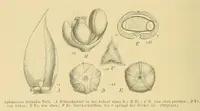
San Diego coastalcreeper (Aphanisma blitoides) is a low, mat-forming annual native to sandy coastal bluffs and dunes of Southern California and northern Baja California. It often grows almost flat to the ground, with small, fleshy leaves that can take on reddish tones in dry or sunny conditions.
This plant is adapted to salty air, wind, and shifting sands, which makes it challenging to keep outside its natural range. In cultivation, it suits very well-drained, sandy soils with full sun and low to moderate moisture. Because of its specialized habitat needs and rarity in the wild, gardeners who care for San Diego coastalcreeper usually focus on conservation-minded, site-appropriate plantings.

Care Difficulty
Hard Care

Light Preference
Full Sun

Water Requirements
Low Water

Temperature Preference
Warm Climate

Hardiness Zone
9–11

Soil Texture
Sandy, Rocky

Soil pH
Slightly acidic (6.5–7.0), Neutral (7.0)

Soil Drainage
Well-drained

Fertilization
Minimal (feed rarely)
Scan your plant to receive care tips personalized for your specific plant
Available on iOS and Android
This low coastal annual thrives in bright, open exposures that mimic dune and bluff conditions.
This coastal annual is adapted to dry, sandy habitats and needs careful, sparing watering.
This species prefers mild, maritime climates and performs best without temperature extremes.
Humidity is not a major factor for Aphanisma blitoides, which is adapted to very dry coastal air.
Aphanisma blitoides needs very fast-draining, sandy soil that replicates coastal bluffs or dunes.
This species is challenging but possible to grow in containers if its extreme drainage needs are met.
This coastal annual usually needs no fertilizer when grown in native sandy, nutrient-poor soils, so feeding is optional for Aphanisma blitoides care.
Pruning needs for Aphanisma blitoides are minimal and mainly cosmetic.
Transplanting is the main concern for this coastal annual, which is rarely maintained long term in containers.
Propagation of this rare native is best left to experienced growers or conservation programs due to its specialized habitat needs.
This short-lived coastal annual typically completes its life cycle before cold weather, so winter care for San Diego coastalcreeper is minimal in mild climates.

Plant Health Check
Not sure what's wrong with your plant? Check your plant's health inside the app.
This small succulent annual is native almost exclusively to a narrow band of sandy coastal habitats in southern California and northern Baja California, where it grows on foredunes, bluffs, and coastal scrub openings just above the high tide zone.
The fleshy, reduced leaves and prostrate growth form help the plant tolerate salty spray, shifting sand, and extended dry periods typical of coastal strand environments.
Most historical populations have disappeared due to coastal development and habitat alteration, so today the species persists only in scattered remnant sites and is considered of high conservation concern by regional botanists.

The San Diego coastalcreeper is one of the very few coastal strand plants in its range that completes its entire life cycle as a tiny, low annual, allowing it to escape some of the intense sand burial and wave disturbance that limit many perennial dune species.
This species forms low, patchy mats and spreads slowly by short stems and seed. It does not usually become aggressive and is often used as a small-scale coastal ground cover in well-drained, open sites.
Keep your plants happy and healthy with plant identification, disease detection, and easy care guidance.

Crisp Plumeiris
Tritonia undulata
Carpetflower
Aptosimum procumbens
doublehorn calicoflower
Downingia bicornuta
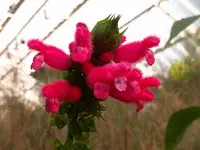
Bolivian hummingbird sage
Salvia oxyphora
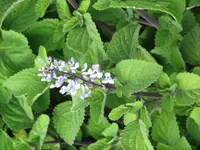
Zulu Spurflower
Plectranthus zuluensis
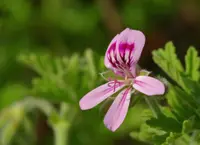
Scented geraniums
Pelargonium graveolens
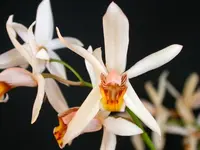
Coelogyne viscosa
Coelogyne viscosa
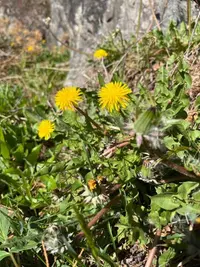
orange-tipped dandelion
Taraxacum obliquilobum