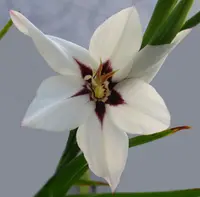
resurrection lily Care (Lycoris squamigera)

Also known as: Surprise Lily
resurrection lily

About resurrection lily

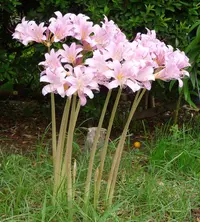
Resurrection lily (Lycoris squamigera) is a bulb-forming perennial known for its leafless flower stalks that appear suddenly in late summer. The foliage grows in spring, then dies back before blooms emerge. Each sturdy stem carries a cluster of soft pink, trumpet-shaped flowers with a light, sweet scent. Plants form clumps over time and return year after year in suitable climates. Lycoris squamigera comes from East Asia and adapts well to many temperate gardens. It prefers sun to light shade, moderately moist but well-drained soil, and a spot where the bulbs can remain undisturbed, which makes it relatively simple to care for resurrection lily.

Main Plant Requirements

Care Difficulty

Easy Care

Light Preference

Full Sun

Water Requirements

Moderate Water

Temperature Preference

Cold Hardy

Hardiness Zone

5–9

Soil Texture

Sandy, Loamy, Organic-rich

Soil pH

Acidic (5.5–6.5), Slightly acidic (6.5–7.0)

Soil Drainage

Well-drained

Fertilization

Minimal (feed rarely)

Get Personalized Care Plan

Scan your plant to receive care tips personalized for your specific plant

Available on iOS and Android

How to Care for the resurrection lily

Lycoris squamigera performs best with strong light and some protection from harsh afternoon sun.

  • Provide 6–8 hours of sun, ideally full morning sun with light afternoon shade, especially in hotter regions.
  • Tolerates partial shade, but flowering of resurrection lily decreases in sites with less than 4–5 hours of direct light.
  • Avoid intense, reflected afternoon sun that can scorch leaves; in dense shade the foliage elongates, flops, and bulbs may stop producing reliable blooms.

Lycoris squamigera prefers moist but sharply drained soil, with drier conditions during dormancy.

  • During active growth, water when the top 3–5 cm of soil feel dry, allowing excess to drain quickly to protect bulbs from rot.
  • Reduce watering once foliage yellows and dies back; in summer dormancy, soil can dry almost completely between natural rains.
  • Signs of overwatering include soft, foul-smelling bulbs and yellowing, collapsing leaves; underwatering shows as prematurely browning foliage and fewer flower stalks the following season.

This bulb tolerates cold winters and warm summers but flowers best within moderate temperature ranges.

  • Optimal growth occurs around 60–80°F (16–27°C), with foliage forming in cool spring and flowering often triggered by warm late-summer conditions.
  • Bulbs are hardy to about -10°F (-23°C) in well-drained soil; mulch helps buffer rapid freeze–thaw cycles in colder zones.
  • Tolerates short periods above 90°F (32°C) if soil is not waterlogged, but prolonged extreme heat or warm, soggy winters can weaken bulbs and reduce flowering.

This bulb tolerates a wide humidity range and rarely needs special adjustment in home gardens.

Prepare loose, well-drained soil so bulbs never sit in prolonged moisture.

  • Use a loamy, slightly sandy structure with plenty of coarse particles to prevent compaction around the bulbs.
  • Aim for slightly acidic to neutral pH around 6.0–7.0, which suits Lycoris squamigera and supports nutrient availability.
  • Blend garden loam with compost and sharp sand or fine grit to improve both fertility and drainage.
  • Avoid heavy clay, waterlogged spots, or pure peat mixes that hold water and exclude air from the bulb plate.

This species can grow in containers if the pot is deep and drainage-focused.

  • Choose a tall, heavy container to give the long flower stalks stability against wind and prevent tipping.
  • Plant bulbs with at least 10–15 cm of soil beneath them so roots can anchor and store energy effectively.
  • Use a fast-draining, gritty mix and elevate the pot slightly so drainage holes stay clear and water exits quickly.

Lycoris squamigera is not a heavy feeder but responds well to light, timed feeding on poor soils.

  • Apply a balanced slow-release or organic granular fertilizer (about 5-10-10 or similar) in early spring as foliage emerges.
  • Use a light rate at half the label dose, scratched into the top 2–3 cm of soil and watered in well.
  • Avoid feeding once leaves begin yellowing and during summer dormancy or winter rest.
  • On richer garden soils, compost worked in around the clump every 1–2 years is usually enough for caring for resurrection lily.

Lycoris squamigera needs only minimal pruning focused on spent flowers and aging foliage management.

  • In late summer or early fall, deadhead spent flower stalks at the base with clean hand pruners to keep the clump tidy.
  • Leave green leaves intact through their active period so bulbs can recharge; remove them only after they yellow and collapse naturally.
  • Cut away any diseased, damaged, or mushy leaves at soil level to reduce fungal spread and improve air flow.
  • Avoid cutting healthy foliage for neatness, because this can weaken bulbs and reduce next season’s flowering.

Most Lycoris squamigera are grown in the ground, where they prefer infrequent disturbance.

  • Consider transplanting only when flowering declines, clumps become crowded, or bulbs appear near the soil surface.
  • Lift and divide bulbs in late summer to early fall after foliage has died back and soil is workable but not waterlogged.
  • Replant bulbs 10–15 cm deep and 10–15 cm apart in well-drained soil, keeping the pointed tip facing upward.
  • Handle bulbs gently, avoid tearing roots, and water lightly after planting to settle soil without creating soggy conditions.

Lycoris squamigera is usually propagated by bulb division rather than from seed in home gardens.

  • Divide established clumps in late summer to early fall once foliage has fully died back and the plant is dormant.
  • Carefully lift the clump with a spade or fork, then separate offset bulbs by hand without cutting into the basal plate.
  • Inspect bulbs, discarding any soft or moldy ones, and dust minor wounds with a dry fungicidal powder if available.
  • Replant offsets at the same depth and spacing as mature bulbs, in a sunny, well-drained site, and water lightly after planting.

Lycoris squamigera bulbs are quite cold hardy in most temperate gardens and usually need minimal winter care.

  • Hardy to about USDA zone 5, dormant bulbs tolerate normal freezes if soil drainage is good.
  • After soil cools, apply a 5–8 cm layer of loose mulch over the planting area to buffer temperature swings.
  • Keep mulch slightly pulled back from the exact bulb crown location to reduce rot risk in wet winters.
  • In containers, move pots to an unheated but frost-free or slightly sheltered spot to avoid repeated freeze–thaw cycles.

Care Tips

Mark Dormant Clumps

Flag or map bulb locations in late summer after foliage dies back so you can avoid disturbing them during fall digging, mulching, or bed renovation.

Use Bulb Spacing Blocks

When planting or dividing, use a simple spacing jig or wooden block marked at 15–20 cm to keep clumps evenly spaced for better flowering displays and easier long-term maintenance.

Time Division Correctly

Lift and divide crowded bulbs only after foliage has fully yellowed and dried, then replant immediately at the same depth to reduce transplant shock and maintain flower performance.

Mulch With Restraint

Apply a light, airy mulch layer around but not directly over the planting zone, keeping total coverage under 5 cm so emerging flower stalks can push through easily in late summer.

Pair With Groundcovers

Plant low, shallow-rooted groundcovers such as creeping thyme or short sedums nearby to hide bare spots during dormancy without competing heavily with the bulbs, which supports more reliable results when growing resurrection lily.

Common Pests and Diseases

Narcissus bulb fly

This pest targets Lycoris bulbs, with larvae tunneling into the bulb and causing yellowing foliage, stunted growth, or sudden collapse of emerging leaves and flower stalks.

Solution

Inspect bulbs before planting and discard any that feel soft or show tunnels. In established clumps, dig and destroy infested bulbs, replant only firm, healthy bulbs, and consider using floating row covers or fine mesh over bulb beds in spring to prevent adult flies from laying eggs near the soil surface.

Bulb mites

These pests feed within damaged or stressed bulbs, leading to slow decline, weak flowering, and poor clump performance over several seasons.

Solution

Remove and discard severely affected bulbs and any rotting organic material around them. When dividing or replanting Lycoris squamigera bulbs, dry-cure healthy bulbs in a shaded, airy spot for a few days and plant in well-drained soil; for valuable collections, a hot-water treatment (around 110–115°F for 2–3 hours) can help reduce mite populations without killing the bulbs if done carefully.

Basal plate rot

This disease starts at the basal plate of the bulb, causing brown, mushy tissue, a foul smell, and failure of bulbs to sprout or flower.

Solution

Lift and discard affected bulbs and any surrounding soil that holds rotted tissue. For prevention, plant only firm, uninjured bulbs in sharply drained soil, avoid overwatering during summer dormancy, and space bulbs so the necks sit just below the surface to improve air movement and drying at the soil line.

Botrytis leaf blight

This disease appears as water-soaked or tan lesions on the strap-like leaves in spring, sometimes with gray, fuzzy fungal growth in cool, damp weather.

Solution

Remove and dispose of spotted or collapsing foliage as soon as it appears, keeping the area around the clump clean of leaf debris. Improve air circulation by avoiding overcrowding, irrigate early in the day so leaves dry quickly, and, in repeatedly affected sites, consider a labeled ornamental bulb fungicide at leaf emergence as part of broader Lycoris squamigera care instructions.

Slug and snail damage

These pests chew irregular holes and ragged edges in young Lycoris foliage in spring, and can scar newly emerging flower stalks in late summer.

Solution

Hand-pick slugs and snails in the evening, use iron phosphate slug baits according to label directions, and reduce hiding places by removing dense mulch or debris around the bulbs. Copper tape barriers or rough, gritty mulches can also limit access to emerging foliage and flower scapes.

Interesting Facts

Sudden autumn bloom

This species sends up leafless flower stalks in late summer to early autumn, often weeks after the spring foliage has completely died back, which gives it the common name resurrection lily or surprise lily.

Sterile but persistent

Plants in cultivation are functionally sterile and almost never produce viable seed, so they are maintained almost entirely by bulb division, yet established clumps can persist and flower in the same site for many decades.

Hybrid origin history

Evidence from morphology and chromosome studies indicates that this plant is an ancient hybrid, most likely between Lycoris longituba and Lycoris sprengeri, and it was described scientifically from cultivated material rather than from a confirmed wild population.

Botan icon

Did you know?

Although widely planted in gardens in North America and East Asia, this plant has no clearly documented, naturally occurring wild populations, and its original native range in Asia remains uncertain, which is unusual for such a long-cultivated bulb species.

FAQs about resurrection lily

Lack of flowering often comes from bulbs planted too deeply, insufficient sun during the leaf phase, or bulbs divided or moved too recently. Crowding, nutrient-poor soil, or drought during spring foliage can also reduce flower production.

Grow Healthy Plants with Botan Care

Keep your plants happy and healthy with plant identification, disease detection, and easy care guidance.

Botan plant care app — identify plants on mobile

Explore More Plants