Common grape hyacinth Care (Muscari armeniacum)

Also known as: Garden Grape-hyacinth, Common Grape Hyacinth
Common grape hyacinth

About Common grape hyacinth

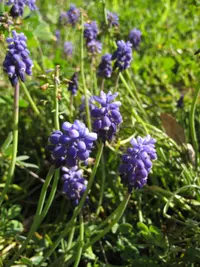
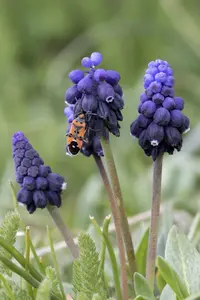
Common grape hyacinth, Muscari armeniacum, is a small spring-blooming bulb known for its dense spikes of blue, urn-shaped flowers that resemble clusters of grapes. It forms low clumps of narrow, grass-like leaves and naturalizes easily, gradually creating colorful drifts in lawns, borders, and under deciduous trees.

This species is native to southeastern Europe and western Asia but is widely grown in gardens across temperate regions. It is generally easy to grow, tolerant of cold winters, and reliably returns each year when planted in suitable conditions. To care for Common grape hyacinth, provide sun to light shade, well-drained soil, and moderate moisture during active growth.

Main Plant Requirements

Care Difficulty

Easy Care

Light Preference

Full Sun

Water Requirements

Moderate Water

Temperature Preference

Cold Hardy

Hardiness Zone

4–8

Soil Texture

Sandy, Loamy, Organic-rich

Soil pH

Acidic (5.5–6.5), Slightly acidic (6.5–7.0)

Soil Drainage

Well-drained

Fertilization

Minimal (feed rarely)

Get Personalized Care Plan

Scan your plant to receive care tips personalized for your specific plant

Available on iOS and Android

How to Care for the Common grape hyacinth

This bulb prefers bright conditions with cool, gentle sun for strong flowering.

  • Provide 4–6 hours of sun daily, ideally morning sun with light afternoon shade, especially in warmer regions.
  • Plant Common grape hyacinth where it receives full sun in spring, then tolerates partial shade once surrounding plants leaf out.
  • Avoid harsh, all-day summer exposure that can scorch leaves; too much shade results in lanky foliage and fewer blooms.

This bulb prefers moist but not saturated soil, especially during active growth.

  • Water when the top 2–4 cm of soil feel dry during spring growth, then reduce once leaves begin yellowing after flowering.
  • Ensure sharply drained soil so water does not pool around the bulbs; soggy conditions increase risk of bulb rot in Muscari armeniacum.
  • Signs of overwatering include soft, mushy bulbs and a sour smell, while underwatering shows as limp, prematurely yellowing foliage.

This hardy bulb thrives in cool to mild climates and needs a cold period to bloom well.

  • Active growth and flowering occur best around 45–65°F (7–18°C); it continues to grow in cool spring weather without stress.
  • Bulbs tolerate winter cold down to about 0°F (-18°C) in the ground, especially with mulch for insulation in exposed beds.
  • During summer dormancy, bulbs withstand 75–90°F (24–32°C) if soil is not waterlogged; prolonged extreme heat above this can weaken future blooming.

Humidity is not a critical factor for Muscari armeniacum, which adapts well to typical household and outdoor air.

This bulb prefers loose, well-drained mineral soil that never stays waterlogged.

  • Use a sandy or loamy mix with 30–50% sharp sand or grit to keep the structure open around the bulbs.
  • In beds or pots, blend garden soil with compost and coarse sand or fine gravel for drainage and moderate fertility.
  • Aim for slightly acidic to neutral pH, around 6.0–7.0, which suits most Muscari armeniacum plant care situations.
  • Avoid heavy clay, peat-heavy mixes, or spots where water pools, since poor aeration encourages bulb rot.

This species grows well in containers when drainage and bulb spacing are managed carefully.

  • Choose a pot at least 15–20 cm deep so bulbs can sit 7–10 cm below the rim with space for roots and gravel mulch on top.
  • Group multiple bulbs snugly but not touching, which supports upright growth and limits excess wet substrate around each bulb.
  • Use a heavier material container or add a top layer of grit to reduce tipping from dense flower clusters and wind exposure.

Muscari armeniacum has modest nutrient needs, but light feeding supports strong flowering in pots and nutrient-poor soils.

  • Apply a balanced, water-soluble fertilizer (around 10-10-10) at half strength once a month during active spring growth.
  • Use a thin layer of compost over the planting area in early spring for slow, gentle nutrient release.
  • Stop feeding once foliage begins to yellow and the bulbs enter dormancy in late spring or early summer.
  • For container-grown Common grape hyacinth, consider a slow-release bulb fertilizer mixed into the potting medium at planting.

Muscari armeniacum requires only light pruning to keep plantings tidy and support bulb health.

  • After flowering, remove spent flower stalks at the base with clean scissors or hand pruners to reduce seed set.
  • Allow foliage to remain until it naturally yellows and collapses, then trim it off to let bulbs store energy.
  • Cut away any damaged, diseased, or flattened leaves during the season to improve air movement and appearance.
  • In dense clumps, removing some old flower stems helps maintain a neat, low mound without affecting next year’s blooms.

This bulb is usually grown in the ground, but occasional transplanting or repotting keeps clumps of Muscari armeniacum vigorous.

  • Transplant or divide clumps every 3–5 years when flowering declines or bulbs become crowded and patchy.
  • Choose late summer to early fall, after foliage has died back, so bulbs can root before winter.
  • Lift bulbs gently with a fork, separate offsets by hand, and discard any soft or diseased bulbs to reduce spread of rot.
  • Replant bulbs at roughly 7–10 cm deep in well-drained soil, water once, then keep moderately moist to limit transplant stress.

Muscari armeniacum is most commonly propagated by bulb division, with seeds used mainly for naturalizing or breeding.

  • Divide clumps in late summer to early fall after foliage has died back and bulbs are dormant.
  • Lift the clump, separate the small offset bulbs from the larger parent bulbs, and replant at the same depth in fresh soil.
  • Space bulbs 5–8 cm apart in well-drained soil, then water lightly to settle them and encourage new root growth.
  • For seed propagation, sow fresh seed in trays outdoors in fall, keep evenly moist, and expect flowering after several years.

This species is cold hardy and usually needs minimal winter care in most temperate climates.

  • Established in-ground bulbs tolerate freezing temperatures and typical winter frosts without special protection.
  • In colder regions or exposed sites, apply a light mulch layer over the soil once the ground is cool but not frozen.
  • For container-grown plants, move pots into a sheltered, unheated but frost-free or slightly protected area to prevent repeated freeze–thaw of the root zone.

Care Tips

Label Dormant Spots

Mark bulb locations with small, weatherproof labels before foliage dies back so you avoid accidentally digging them up during summer planting or cultivation.

Use Bulb Baskets

Plant bulbs in open plastic bulb baskets or mesh pots in the ground to make lifting, dividing, and replanting dense clumps easier and more precise every 3–5 years.

Time Foliage Removal

Only cut back foliage once it has yellowed and collapsed, then use clean, sharp shears to remove it at ground level to reduce fungal issues and keep the bed tidy.

Controlled Naturalizing

If you want a naturalized look without overcrowding, allow only outer-edge seedling clumps to remain and gently lift and relocate extra bulbs while dormant in late summer.

Plan Companion Layers

Combine these bulbs with later-emerging perennials or groundcovers so their foliage hides the fading leaves and helps maintain an attractive planting while growing Common grape hyacinth.

Common Pests and Diseases

Narcissus bulb fly

This pest targets the bulbs, where larvae tunnel inside and hollow them out, leading to weak growth or complete collapse of shoots. Symptoms include stunted or distorted leaves and bulbs that feel soft or empty when squeezed.

Solution

Lift and inspect suspect bulbs, discarding any that are hollow, rotten, or tunneled. To reduce future damage, cover bulb beds with fine mesh in late spring to block egg-laying adults, plant bulbs a bit deeper (8–10 cm), and remove and destroy any badly affected plants at the end of the season.

Slugs and snails

These insects feed on young foliage and flower stems, leaving irregular holes and shredded edges, especially in damp conditions. Symptoms include missing tips of emerging leaves and slime trails around the planting area.

Solution

Hand-pick slugs and snails in the evening, use low-toxicity slug pellets based on iron phosphate, and reduce hiding spots by clearing mulch and debris around clumps. Copper tape or barriers around small beds and pots can further protect emerging shoots during critical early growth stages when caring for Common grape hyacinth.

Gray mold (Botrytis)

This disease thrives in cool, damp weather and affects leaves, flowers, and sometimes bulbs, causing water-soaked spots that develop fuzzy gray mold. Symptoms include blighted flower spikes, soft patches on foliage, and rapid collapse in crowded, humid plantings.

Solution

Remove and discard all affected flowers and foliage as soon as symptoms appear, and avoid overhead watering to keep leaves dry. Improve spacing and air circulation, clean up all plant debris after flowering, and if outbreaks are severe, apply a labeled fungicide at the first sign of infection.

Basal bulb rot

This disease affects the base of the bulb and plate where roots emerge, leading to yellowing foliage, poor flowering, and bulbs that turn brown, soft, or crumbly from the bottom upward. Symptoms include weak, sparse shoots and bulbs that separate easily into scales when handled.

Solution

Dig up and discard diseased bulbs along with surrounding soil, and do not replant bulbs in the same exact spot for several years. Plant only firm, healthy bulbs in well-drained soil, avoid overwatering, and consider raised beds or gritty amendments in heavy soils to keep the bulb base dry.

Bulb nematodes

These microscopic worms invade bulbs and basal plates, causing distorted, stunted growth and poor flowering, often with swollen or cracked bulb tissue. Symptoms include irregular, twisted leaves and bulbs that show brown streaks or spongy patches when cut open.

Solution

Remove and destroy all suspect bulbs and the soil immediately around them, and avoid reusing that soil for bulbs. Purchase clean, certified bulbs, rotate planting areas, and keep tools clean to prevent spread; in small collections, some growers soak dormant bulbs in hot water at carefully controlled temperatures to reduce nematode load without killing the bulb.

Interesting Facts

Distinct grape scent

The flower spikes of this species often release a light, sweet fragrance that many people compare to ripe grapes, which helped inspire its common name, common grape hyacinth.

Naturalizing bulb carpets

Muscari armeniacum readily forms dense colonies by producing numerous small offset bulbs, which allows it to spread into long-lasting, early-spring drifts in lawns and borders.

Cold-adapted growth cycle

This species requires a cool dormant period to flower reliably, so it forms leaves in autumn or late winter, then completes most of its growth and flowering in early spring before many other plants are active.

Botan icon

Did you know?

Muscari armeniacum is native to regions including Turkey and the Caucasus, where it typically grows in open woodlands, meadows, and rocky slopes, and from there it has become one of the most widely naturalized spring bulbs in temperate gardens worldwide.

FAQs about Common grape hyacinth

Lack of flowers often comes from bulbs that did not get a long enough cold period, were planted too shallow, or are overcrowded. Allow foliage to die back naturally after flowering so bulbs can recharge for next season.

Grow Healthy Plants with Botan Care

Keep your plants happy and healthy with plant identification, disease detection, and easy care guidance.

Botan plant care app — identify plants on mobile

Explore More Plants