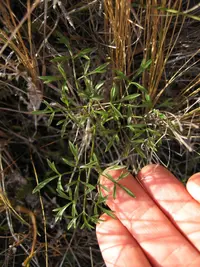
serpentine linanthus Care (Leptosiphon ambiguus)

Also known as: Serpentine Leptosiphon

About serpentine linanthus

Serpentine linanthus (Leptosiphon ambiguus) is a small, delicate annual wildflower native to serpentine soils in parts of California and the western United States. It typically forms low, branching tufts with fine, threadlike leaves.

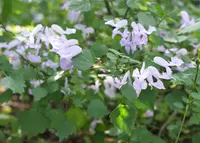
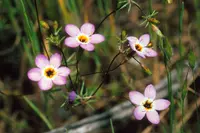
The plant produces clusters of small, tubular flowers that range from white to pale pink or lavender, often with a contrasting yellow throat. Its natural habitats are rocky, nutrient-poor slopes, which shape how to care for serpentine linanthus in cultivation.

This species prefers full sun, sharply drained soil, and relatively dry conditions, especially once established. It can be short-lived and somewhat challenging outside its native-type soils, but it rewards suitable conditions with a subtle, airy display.

Main Plant Requirements

Care Difficulty

Moderate Care

Light Preference

Full Sun

Water Requirements

Low Water

Temperature Preference

Warm Climate

Hardiness Zone

7–10

Soil Texture

Sandy, Loamy, Rocky

Soil pH

Slightly acidic (6.5–7.0), Neutral (7.0)

Soil Drainage

Well-drained

Fertilization

Minimal (feed rarely)

Get Personalized Care Plan

Scan your plant to receive care tips personalized for your specific plant

Available on iOS and Android

How to Care for the serpentine linanthus

Leptosiphon ambiguus prefers bright, open conditions similar to its native rocky slopes.

  • Provide 6–8 hours of direct sun daily, ideally with morning sun and light afternoon shade in hotter regions to reduce stress.
  • Tolerates light partial shade, but flowering of serpentine linanthus decreases noticeably if it receives less than 4–5 hours of direct sun.
  • In summer, watch for leaf scorch in intense afternoon sun; in cooler seasons, choose the sunniest available spot to support compact growth and abundant blooms.

This species is adapted to dry, well-drained sites and is sensitive to excess moisture.

  • Allow the top 3–5 cm of soil to dry completely before watering, then soak thoroughly so water drains quickly away from the root zone.
  • During active growth and flowering in spring, expect to water more often after warm, dry periods; reduce watering sharply once temperatures cool or the plant begins to decline.
  • Use sharply draining, gritty soil or rocky ground to prevent root rot; pale, limp foliage often signals overwatering, while crisp, browning leaf tips indicate drought stress.

This annual wildflower favors mild, dry conditions with modest tolerance to both cool and warm weather.

  • Optimal growth occurs around 60–75°F (16–24°C), especially during germination and early vegetative growth in late winter to spring.
  • Plants tolerate brief drops to about 28–30°F (-2–-1°C) once established but young seedlings are more frost-sensitive and benefit from protection on freezing nights.
  • In hotter areas, flowering declines above 85–90°F (29–32°C); combine morning sun with afternoon shade and avoid heat-reflecting surfaces that raise root-zone temperatures.

Humidity is not a critical factor for Leptosiphon ambiguus, which is adapted to dry, open habitats.

Leptosiphon ambiguus prefers sharply draining, low-fertility soil that mimics dry, rocky slopes.

  • Use a sandy or gritty mix with small gravel, coarse sand, and a modest amount of compost for structure.
  • Ensure very fast drainage; water should pass through the root zone within seconds, not sit or pool.
  • Aim for slightly acidic to neutral pH around 6.0–7.0, avoiding strongly alkaline or saline substrates.
  • On heavy soils, build a raised, gravel-rich bed or berm to improve aeration and prevent root rot.

This species can be grown in containers if the potting setup closely reproduces its naturally fast-draining conditions.

  • Choose a wide, shallow container to support spreading growth while keeping the root zone close to the warm upper layer of the mix.
  • Use a mineral-heavy potting blend dominated by coarse sand and grit so water exits through drainage holes almost immediately.
  • Select unglazed terracotta if outdoor conditions are wet, as the porous walls help evaporate excess moisture from the root zone.

Leptosiphon ambiguus is a small annual adapted to lean soils, so use minimal feeding when grown in gardens or containers.

  • Apply a light dose of balanced liquid fertilizer (for example 10-10-10) at 1/4–1/2 strength once a month during active spring growth.
  • Use a thin topdressing of fine compost instead of heavy granular products to avoid excess nutrients and salt buildup.
  • Stop feeding in late summer as plants decline; do not fertilize during winter or dormancy.
  • In very poor potting mixes, caring for serpentine linanthus benefits from a single application of low-dose slow-release granules at planting.

Leptosiphon ambiguus needs only light pruning to keep plants neat and prolong flowering.

  • Pinch or lightly shear spent flower clusters in late spring to encourage branching and more blooms.
  • Remove dead, diseased, or storm-damaged stems whenever noticed, using clean, sharp scissors or small snips.
  • Avoid cutting into green, actively flowering growth too hard, as this can shorten the display period.
  • At season’s end, allow some stems to set seed before clearing away dry material for reseeding.

This annual is more often transplanted into the garden than repotted, since it completes its life cycle in 1 season.

  • Start in small plug trays or pots, then transplant outdoors in spring once frost risk has passed and seedlings have 2–3 true leaves.
  • Transplant when roots just fill the plug; avoid letting roots circle the container or growth may stall after planting out.
  • Handle the root ball gently, disturbing it as little as possible and watering thoroughly after transplanting to reduce shock.
  • In containers, use a well-drained, sandy mix and treat planting as a one-season display rather than planning frequent repotting.

Leptosiphon ambiguus is most commonly propagated from seed rather than vegetative methods.

  • Sow fresh seed in late fall or early spring, following local climate and frost timing.
  • Use a gritty, well-drained seed mix and press seeds lightly into the surface, as very deep sowing reduces germination.
  • Provide cool to mild temperatures and bright light; keep the mix just barely moist until seedlings emerge.
  • Thin crowded seedlings early to avoid weak, spindly growth and transplant selected seedlings carefully once roots establish.

This small annual finishes its life cycle in 1 season, so mature Leptosiphon ambiguus usually does not need winter care.

  • In mild-winter regions, allow seed heads to mature and drop so the plant can reseed naturally for next year.
  • Where winters are wet and cool, ensure good drainage so seeds and young volunteers do not rot in saturated soil.
  • Container-grown plants in colder zones can be discarded after seeding and replaced the following growing season.

Care Tips

Site selection testing

Before sowing, test a few spots with a small seed pinch and choose the area where seedlings emerge quickest and most evenly, as this indicates the best microclimate and soil structure for growing serpentine linanthus.

Fine-surface seed cover

After broadcasting seed, lightly rake or brush the soil so seeds are only dusted with 1–2 mm of fine grit or sand, which improves germination while preventing seeds from being buried too deeply.

Low-competition spacing

Remove nearby turf and strong-rooted perennials in a 20–30 cm radius so plants do not have to compete for limited moisture and nutrients in the thin, often rocky soils this species prefers.

Minimal-disturbance weeding

Hand-weed by pinching or cutting unwanted seedlings at soil level instead of pulling, which reduces root disturbance in the shallow, fibrous root zone of this annual.

Timed deadheading window

Early in the season, deadhead spent flowers to extend bloom, but stop removing seed heads in the final 3–4 weeks so plants can self-sow and create a naturalized stand in the following year.

Common Pests and Diseases

Aphids

These insects feed on young stems and flower buds, sucking sap and causing distortion, curling, and sticky honeydew that can lead to sooty mold. This pest is especially attracted to soft new growth during cool, mild weather.

Solution

Remove heavily infested shoot tips, then wash plants with a firm stream of water to dislodge remaining insects. For ongoing problems, use insecticidal soap or a light horticultural oil targeted to the undersides of stems and buds, and encourage natural predators such as lady beetles by avoiding broad-spectrum insecticides in the area.

Spider mites

These pests are tiny sap-feeding arachnids that thrive in hot, dry, exposed sites and can cause stippled, pale foliage, fine webbing, and general decline. Symptoms include a dusty appearance on leaves and reduced flowering when populations are high.

Solution

Increase humidity around plants with occasional overhead rinsing and reduce dust buildup on foliage. If populations persist, spray the plant thoroughly with water to knock mites off, then apply insecticidal soap or a low-risk miticide, repeating applications as needed while improving plant vigor through regular but not excessive watering.

Powdery mildew

This disease produces white, powder-like patches on leaves, stems, and sometimes flower buds, often in late spring when days are warm and nights are cool. Symptoms include dull, distorted foliage and reduced vigor and bloom density.

Solution

Improve airflow by thinning crowded plants and avoiding overhead watering late in the day, and remove and dispose of affected plant material. For recurring issues, apply a sulfur-based fungicide or potassium bicarbonate product at the first sign of infection, following label directions and continuing at intervals during favorable weather conditions for powdery mildew.

Botrytis blight

This disease causes soft, brown lesions on stems, leaves, and flower clusters, often covered with gray, fuzzy mold under cool, damp conditions or prolonged fog. Symptoms include collapsed flower heads, water-soaked spots, and rapid decline of affected sections.

Solution

Promptly remove and discard all infected plant parts and any fallen debris, and water at soil level in the morning so foliage dries quickly. In persistently wet or coastal conditions, increase spacing for better airflow and consider a preventive application of a labeled fungicide when extended cool, moist weather is forecast, especially if growing serpentine linanthus in dense plantings.

Interesting Facts

Serpentine soil specialist

This annual wildflower naturally occurs on serpentine-derived soils in California, a harsh substrate high in heavy metals and low in nutrients that many other plants cannot tolerate.

Extremely narrow range

It is known from a very restricted area in the central Coast Ranges of California, where it occupies localized openings in chaparral and woodland on rocky slopes.

Delicate evening bloomer

The small, tubular flowers tend to open in the late afternoon or evening, which helps protect pollen from midday heat and may align with the activity of specific pollinating insects.

Botan icon

Did you know?

Botanists consider this species a narrow endemic, meaning that the entire natural global population is confined to a very small geographic region, which makes habitat protection especially important for its long-term survival.

FAQs about serpentine linanthus

This species is typically grown as a delicate annual wildflower. It completes its life cycle in 1 season, setting seed and dying back. Reseeding in suitable conditions allows it to return in following years.

Grow Healthy Plants with Botan Care

Keep your plants happy and healthy with plant identification, disease detection, and easy care guidance.

Botan plant care app — identify plants on mobile

Explore More Plants