Shelter From Wind
Site plants where taller perennials, low shrubs, or a windbreak fence reduce strong, drying winds that can tear the fine foliage and desiccate the crowns.

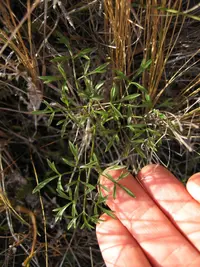
Anisotome filifolia is a compact, clump-forming perennial from New Zealand, related to carrots and parsley. It forms neat mounds of finely divided, feathery foliage. In suitable conditions it sends up slender stems with soft, rounded flower heads that give it a light, airy look in rock gardens and coastal plantings. This species naturally grows in cool, windy, often exposed habitats, so it prefers good drainage, moderate moisture, and protection from extreme heat. Its need for cool summers and free-draining soil can make it a little challenging in warm or humid climates, so learning how to care for Anisotome filifolia is important for long-term success.

Care Difficulty
Hard Care

Light Preference
Full Sun

Water Requirements
Regular Water

Temperature Preference
Cool Climate

Hardiness Zone
7–9

Soil Texture
Loamy, Rocky, Organic-rich

Soil pH
Acidic (5.5–6.5), Slightly acidic (6.5–7.0)

Soil Drainage
Moist but well-drained

Fertilization
Minimal (feed rarely)
Scan your plant to receive care tips personalized for your specific plant
Available on iOS and Android
This montane species prefers cool, bright conditions that mimic open, high-country habitats.
This plant prefers evenly moist, cool soil rather than cycles of drought and saturation.
This cool-temperate species grows best in mild conditions and dislikes both extreme heat and severe frost.
This cool-climate species prefers moderately moist air but usually adapts to typical household humidity.
This species prefers a cool, moist but sharply drained, humus-rich soil that mimics mountain grassland conditions.
This plant can be grown in containers if the pot is deep, cool, and drains freely.
This alpine species grows best in lean soil, so fertilizing Anisotome filifolia should be light and infrequent.
Pruning Anisotome filifolia is minimal and mainly focused on keeping the clump tidy and healthy.
This species is usually grown in the ground, so focus on careful transplanting rather than frequent repotting.
Propagation of Anisotome filifolia is most reliable from fresh seed under cool, well-lit conditions.
This cool-temperate plant is fairly cold hardy but benefits from some winter care in harsher climates.

Plant Health Check
Not sure what's wrong with your plant? Check your plant's health inside the app.
This species is naturally restricted to New Zealand’s Chatham Islands, where it grows mainly on coastal cliffs, rocky slopes, and exposed headlands influenced by strong ocean winds.
The foliage is highly divided into many thread-like segments, creating a fine, fern-like appearance that reduces wind resistance and helps limit water loss in its windy maritime habitat.
It produces its small flowers in compound umbels, a characteristic structure of the carrot family (Apiaceae), which efficiently presents many flowers at once to attract a range of insect pollinators.
This species is generally evergreen in cool, mild climates, holding its fine foliage year-round. In hotter or very dry conditions, some leaves may brown and shed, but the rootstock usually stays alive and pushes new growth when conditions improve.
Keep your plants happy and healthy with plant identification, disease detection, and easy care guidance.