Cyprus-vetch Care (Lathyrus ochrus)

Also known as: Winged Vetchling
Cyprus-vetch

About Cyprus-vetch

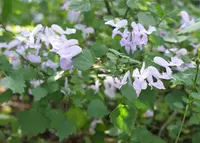
Cyprus-vetch, Lathyrus ochrus, is an annual climbing legume grown mainly for its delicate pea-like flowers and light, twining foliage. It often scrambles through other plants or along simple supports. Native to the Mediterranean region, it thrives in sunny, open habitats with relatively dry, well-drained soil. This background makes it a suitable choice for low to moderate water gardens in similar climates. The plant grows quickly from seed and adapts well to poor or rocky soils, which simplifies how to care for Cyprus-vetch. However, it prefers consistent light and dislikes heavy, waterlogged substrates, so drainage is an important consideration for successful growth.

Main Plant Requirements

Care Difficulty

Moderate Care

Light Preference

Full Sun

Water Requirements

Moderate Water

Temperature Preference

Cool Climate

Hardiness Zone

7–10

Soil Texture

Sandy, Loamy, Organic-rich

Soil pH

Slightly acidic (6.5–7.0), Neutral (7.0)

Soil Drainage

Well-drained

Fertilization

Minimal (feed rarely)

Get Personalized Care Plan

Scan your plant to receive care tips personalized for your specific plant

Available on iOS and Android

How to Care for the Cyprus-vetch

Lathyrus ochrus prefers bright, open conditions similar to other Mediterranean annual legumes.

  • Aim for full sun with 6–8 hours of direct light daily; light afternoon shade is helpful in very hot, inland summers.
  • The plant tolerates light partial shade (3–4 hours sun), but stems may stretch and flowering will decline.
  • In late spring and summer, protect from intense, reflective afternoon sun to avoid leaf scorch, while in cooler seasons maximize sun exposure.

This species prefers evenly moist but free-draining soil and does not tolerate prolonged saturation.

  • Water when the top 2–4 cm of soil feels dry, then soak the root zone thoroughly, allowing excess to drain away.
  • Use well-drained, gritty or loamy soil so roots receive moisture without standing water that can cause yellowing leaves and stem rot.
  • In cooler seasons water less often; in hot, windy weather increase frequency if foliage wilts by midday and recovers in the evening.

This Mediterranean annual grows best in mild, not extreme, temperatures.

  • Ideal growth occurs around 55–75°F (13–24°C), with steady flowering in cool to warm conditions rather than high heat.
  • Plants tolerate brief drops to about 32°F (0°C) but are damaged by hard frost; sow after the last expected severe freeze.
  • Cyprus-vetch struggles in prolonged heat above 86–90°F (30–32°C); provide light shade and extra soil moisture during hot spells to reduce stress.

This species tolerates typical outdoor humidity and rarely needs special humidity management.

This Mediterranean annual prefers well-aerated, free-draining soil to avoid root stress.

  • Use a light loam or sandy loam with moderate organic matter so roots can spread easily and excess water drains quickly.
  • Aim for slightly alkaline to neutral pH, roughly 7.0–8.0, which matches the natural habitats of Lathyrus ochrus.
  • In containers, mix roughly 2 parts loam-based compost with 1 part sharp sand or grit to improve drainage and root aeration.
  • Avoid heavy, compacted clay or constantly wet substrates, which promote root rot and poor growth.

This species can be grown in containers if depth, drainage, and support are planned carefully.

  • Choose a deep pot, at least 25–30 cm, to accommodate its taproot and reduce drought stress between waterings.
  • Use a heavier or wider-based container so climbing growth does not tip the pot in windy conditions.
  • Position a trellis or mesh directly in the container so tendrils can anchor without pulling the root ball loose.

Lathyrus ochrus generally needs modest feeding, especially in poor or very sandy soils.

  • Use a light application of balanced NPK granular fertilizer or well-rotted compost at the start of the growing season.
  • Feed once more mid-season if growth is weak, using a slow-release product to avoid nutrient spikes.
  • Apply at 1⁄2–3⁄4 label strength and water in thoroughly to limit root burn.
  • In winter or dormancy, avoid additional feeding, as caring for Cyprus-vetch focuses on rest rather than growth.

Pruning Lathyrus ochrus is mainly about keeping the plant tidy and encouraging compact, flowering growth.

  • In late winter or early spring, remove dead, damaged, or diseased stems with clean, sharp hand pruners.
  • Thin congested growth lightly to improve air flow and reduce the risk of fungal issues.
  • Trim back excessively long shoots to maintain shape and support, tying remaining stems to a trellis if needed.
  • Deadhead spent flowers during the season if seed is not required, which can extend blooming.

This species is more often transplanted outdoors than repotted, as it is usually grown in open ground.

  • Transplant young Lathyrus ochrus in early spring or early fall, when temperatures are mild and soil is workable.
  • Look for roots circling a small nursery pot or noticeably slow growth as signs the plant needs more space.
  • Move with a generous soil ball, disturb roots as little as possible, and plant at the same depth in well-drained soil.
  • Water thoroughly after planting, then keep soil evenly moist for 1–2 weeks to reduce transplant shock.

Lathyrus ochrus is most commonly propagated from seed, which is straightforward with the right timing and conditions.

  • Sow seeds in late winter to early spring under cover, or directly outdoors after frost risk has passed.
  • Scarify hard seed coats lightly with sandpaper and soak 6–12 hours to improve germination.
  • Use a free-draining seed mix, keep at 60–70°F, and maintain lightly moist, not waterlogged, conditions.
  • Provide bright light once seedlings emerge and plant out carefully once roots hold the soil plug together.

Lathyrus ochrus is adapted to mild, Mediterranean-type winters and may need attention in colder climates.

  • In regions with light frost, plants often overwinter in the ground without extra measures if soil drains well.
  • Where winters drop below about 20°F, treat plants as annuals or resow from seed each year.
  • Apply a thin mulch layer around the root zone in fall to moderate soil temperature and reduce heaving.
  • Container-grown plants in cold areas can be moved to a cool, bright, frost-free spot until spring.

Care Tips

Provide climbing support

Install a mesh, netting, or fine trellis early in the season so young vines can attach easily, which reduces stem breakage and keeps pods clean and well ventilated.

Succession sowing strategy

Stagger sowings every 2–3 weeks in suitable climates to extend the flowering and pod-forming period, rather than relying on a single early sowing.

Targeted pinching practice

Pinch out only the very soft shoot tips on young plants once they have 3–4 true leaf pairs to encourage branching without delaying flowering too much.

Prevent pea weevil damage

Use fine insect mesh or row cover over young plants at emergence in areas with pea weevil or pea moth issues, removing it once flowering begins to allow pollinators access.

Support in windy sites

In exposed gardens, run two parallel strings or soft ties along both sides of the row at 20–30 cm intervals to hold stems upright and reduce lodging in strong winds when growing Cyprus-vetch.

Common Pests and Diseases

Aphids

This pest feeds on tender shoots and flower stems, sucking sap and causing curling, yellowing, and sticky honeydew that can attract sooty mold. Infestations are common on young growth and flowering stems of Lathyrus species in mild, lush conditions.

Solution

Rinse colonies off stems and leaves with a firm stream of water, then monitor new growth closely. If populations persist, apply insecticidal soap or a light horticultural oil, ensuring thorough coverage of shoot tips and the underside of leaves while improving airflow and avoiding excess nitrogen fertilization.

Pea leaf weevil

This pest primarily damages foliage by creating characteristic U-shaped notches along leaflet margins, while larvae feed on root nodules and can reduce plant vigor. Symptoms include slowed growth and pale foliage, especially in nutrient-poor soils.

Solution

Hand-pick adults where feasible and encourage crop rotation if plants are grown in garden beds or small field plantings. Reduce nearby self-sown or volunteer legumes, and consider using floating row covers during peak adult flight periods in early spring to limit egg-laying on young plants.

Powdery mildew

This disease produces white, powdery fungal growth on upper leaf surfaces, stems, and sometimes pods, leading to yellowing and premature leaf drop. Symptoms include reduced vigor and poor flowering under warm days, cool nights, and crowded growth.

Solution

Remove and discard heavily infected leaves to reduce spore load, then improve air circulation by spacing plants and training vines on supports. In early stages, apply a sulfur-based fungicide or potassium bicarbonate product labeled for edible legumes, and avoid overhead watering late in the day.

Ascochyta blight

This disease causes tan to brown leaf spots with darker margins, stem lesions, and pod spotting, which can weaken plants and reduce seed quality. Symptoms include dieback of shoots from infected stems, especially in cool, wet weather or where foliage stays damp.

Solution

Prune out and dispose of infected stems and leaves, avoiding composting if disease pressure is high. Use clean, healthy seed, rotate away from other legumes for at least 3 years in garden beds, and apply a legume-labeled fungicide preventively during prolonged wet periods if the problem has occurred before.

Pea enation mosaic virus

This disease leads to distorted, blistered leaves with translucent spots, stunted growth, and reduced flowering and pod set. Symptoms include mottling and deformed shoots, often following high aphid pressure, since aphids transmit the virus.

Solution

Remove and destroy symptomatic plants promptly to limit spread, as there is no cure for viral infections. Control aphids early using water sprays and insecticidal soap, reduce nearby weedy legume hosts, and avoid planting new Lathyrus ochrus immediately adjacent to previously infected areas to support long-term Lathyrus ochrus plant care.

Interesting Facts

Mediterranean winter annual

This species naturally behaves as a cool-season annual in Mediterranean climates, germinating in autumn, growing through mild winters, and setting seed before the dry summer period.

Specialist bee visitor

In its native range, the long-tongued solitary bee Eucera kullenbergi is a key pollinator, visiting its pale, pea-like flowers for nectar and helping ensure seed set.

Arable field associate

Lathyrus ochrus often occurs as a companion plant in traditional cereal and pulse fields, especially chickpea and lentil crops, where it behaves as an arable weed or volunteer vine rather than a primary crop.

FAQs about Cyprus-vetch

This species is a scrambling, tendril-bearing vine. It climbs over nearby plants or supports rather than forming an upright clump. Stems can tangle and sprawl, so light training or tying helps keep growth directed and accessible.

Grow Healthy Plants with Botan Care

Keep your plants happy and healthy with plant identification, disease detection, and easy care guidance.

Botan plant care app — identify plants on mobile

Explore More Plants