Field pumpkin Care (Cucurbita pepo subsp. pepo)

Also known as: cocozelle, courgette, marrow, ornamental gourd, pumpkin, spaghetti squash, vegetable marrow, zucchini
Field pumpkin

About Field pumpkin

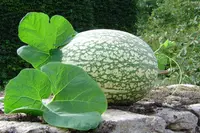
Field pumpkin, Cucurbita pepo subsp. pepo, is an annual vining squash grown mainly for its large, ribbed fruits and edible seeds. It belongs to the cucurbit family, which also includes zucchini and many summer squashes.

Plants form long trailing vines with tendrils, broad rough leaves, and yellow funnel-shaped flowers that develop into orange to deep-yellow pumpkins. It is native to the Americas but is now widely grown in temperate regions worldwide.

This subspecies is vigorous and fast-growing but needs space, warmth, and consistent moisture, so site selection is important. Understanding how to care for Field pumpkin focuses on full sun, well-drained fertile soil, and protection from cold and strong wind.

Main Plant Requirements

Care Difficulty

Moderate Care

Light Preference

Full Sun

Water Requirements

Regular Water

Temperature Preference

Tropical / Frost Sensitive

Hardiness Zone

3–10

Soil Texture

Loamy, Sandy, Organic-rich

Soil pH

Acidic (5.5–6.5), Slightly acidic (6.5–7.0)

Soil Drainage

Moist but well-drained

Fertilization

Moderate (every 2–4 weeks)

Get Personalized Care Plan

Scan your plant to receive care tips personalized for your specific plant

Available on iOS and Android

How to Care for the Field pumpkin

Cucurbita pepo subsp. pepo needs strong, direct light to produce healthy vines and fruit outdoors.

  • Provide full sun for 6–8 hours daily, ideally with morning and early afternoon sun; plants in less than 5 hours often give weak growth and fewer fruits.
  • Tolerates very light afternoon shade in hot climates, but dense shade leads to leggy vines, pale leaves, and poor flowering.
  • Plant in an open, unshaded spot; avoid placing near tall crops or buildings that cast long shadows, especially in late summer as days shorten.

Cucurbita pepo subsp. pepo prefers consistently moist but never waterlogged soil for steady growth.

  • Water when the top 3–5 cm of soil is dry, soaking the root zone deeply rather than giving light surface splashes.
  • Use well-drained soil or raised rows to prevent standing water; yellowing lower leaves and soft, rotting stems suggest overwatering or poor drainage.
  • Increase watering during hot, dry spells and fruit set, but reduce once nights cool; wilting at midday that recovers by evening often indicates the need for a deeper watering.

This warm-season crop grows best in stable, frost-free conditions with moderate heat.

  • Aim for 70–85°F (21–29°C) for active growth and flowering; soil should be warm before planting for reliable germination.
  • Avoid temperatures below 50°F (10°C); plants are damaged by light frost and usually killed at 32°F (0°C) or lower.
  • Tolerates short periods near 90–95°F (32–35°C) if soil moisture is maintained, but prolonged extreme heat can reduce fruit set, so harvest promptly and monitor vine stress.

Humidity is not a critical factor for Cucurbita pepo subsp. pepo in typical outdoor conditions.

This squash prefers loose, fertile, well-drained ground that still holds consistent moisture.

  • Use a deep, loamy mix with high organic matter, such as garden soil blended with 30–40% finished compost.
  • Aim for slightly acidic to neutral pH, around 6.0–7.0, which supports nutrient availability for Cucurbita pepo subsp. pepo.
  • Improve drainage and aeration by incorporating coarse sand or perlite so water does not pool around the roots.
  • Avoid heavy, compacted clay or waterlogged sites, which promote root rot and poor root development.

This species can be grown in large containers if ample root volume and stability are provided.

  • Choose a wide, heavy container at least 40–50 cm across to anchor sprawling vines and prevent tipping in wind.
  • Use a slightly sandy, organic-rich mix that drains freely yet does not dry out faster than once per day in hot weather.
  • Position the pot where vines can trail over the edge or onto a support so foliage weight does not stress the container rim.

Cucurbita pepo subsp. pepo is a fast-growing annual that responds well to moderate, consistent feeding during the warm growing season.

  • Prepare soil with well-rotted compost or manure before planting to build a nutrient-rich base for Field pumpkin.
  • Apply a balanced NPK fertilizer (around 10-10-10) every 3–4 weeks during active growth, following label rates at 1/2 strength.
  • Use a slow-release granular fertilizer at planting if preferred, scratching it into the topsoil and watering in thoroughly.
  • Stop or greatly reduce feeding in late fall or when vines decline, as the plant completes its life cycle and no winter feeding is needed.

Pruning Cucurbita pepo subsp. pepo is optional but can help manage vine spread, fruit quality, and airflow around the plant.

  • In mid to late summer, pinch or cut overly long runners to keep vines within bounds and direct energy to fruiting sites.
  • Remove dead, yellowing, or diseased leaves with clean, sharp pruners to improve airflow and reduce fungal problems.
  • Thin crowded fruits by snipping off excess small pumpkins so remaining fruits size up better and ripen more evenly.
  • Avoid heavy cutting near main stems; make clean cuts above leaf nodes to limit stress and encourage side branching if needed.

This plant is usually direct-sown outdoors; when started in containers, careful, timely transplanting prevents transplant shock.

  • Start seeds in small pots or cells 2–3 weeks before the last frost so roots do not circle or become pot-bound.
  • Transplant Cucurbita pepo subsp. pepo after frost danger passes and soil warms, ideally when seedlings have 2–3 true leaves.
  • Handle seedlings by the rootball, not the stems, disturbing roots as little as possible and planting at the same depth in loose, fertile soil.
  • Water thoroughly after transplanting and shade for 1–2 days in hot sun to reduce stress and support quick root establishment.

This species is almost always propagated by seeds, which germinate quickly in warm, moist conditions.

  • Sow seeds indoors 2–3 weeks before the last frost or directly outdoors once soil reaches about 65–70°F.
  • Plant seeds 2–3 cm deep in loose, well-drained soil or seed-starting mix and keep evenly moist, not waterlogged.
  • Provide warmth, bright light, and good air circulation; seeds usually germinate in 5–10 days.
  • Avoid saving seeds from mixed plantings if varietal purity matters, since Cucurbita pepo subsp. pepo cross-pollinates readily.

This warm-season annual is frost-sensitive and completes its life cycle before winter, so the living vines are not overwintered.

  • Harvest mature pumpkins before the first hard frost, leaving a short stem attached for better storage life.
  • After frost kills the vines, remove and compost healthy plant debris to reduce pest and disease carryover.
  • Cure pumpkins for 10–14 days in a dry, well-ventilated area around 75–80°F, then store at 50–55°F.
  • Container-grown plants are not worth carrying through winter; discard spent plants and refresh soil before the next season.

Care Tips

Early vine training

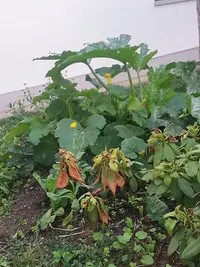
As vines reach 30–45 cm, gently guide them along rows or supports in a single direction to keep fruit off traffic areas and make later harvesting and pest scouting faster and safer.

Fruit positioning

When fruits are 5–8 cm across, slide a brick, tile, or sturdy board under each one to keep it off wet soil, reduce rot risk, and produce cleaner rinds at harvest.

Controlled fruit load

Once several healthy fruits have set on a vine, remove later, very small or poorly positioned fruits so the plant directs energy into sizing up a manageable number of pumpkins.

Targeted pest scouting

Inspect the undersides of leaves and stem bases 2–3 times per week for squash bugs and vine borers, and remove egg clusters by hand before they hatch to prevent sudden midseason decline.

End-of-season ripening

About 3–4 weeks before expected frost, pinch off new flowers and very small fruits so the plant focuses its resources on ripening existing pumpkins fully, which is a key part of effective Cucurbita pepo subsp. pepo plant care.

Common Pests and Diseases

Squash vine borer

This pest is the larva of a clearwing moth that tunnels inside pumpkin vines, causing sudden wilting and collapse of individual runners or whole plants.

Solution

Monitor stems near the base from early summer, looking for small holes with frass (sawdust-like waste), then carefully slit the stem lengthwise and remove larvae by hand before covering the wound with soil so the stem can re-root. Use row covers until flowering to exclude adults, destroy infested vines after harvest, and avoid planting pumpkins in the same spot the following year to break the life cycle when growing Field pumpkin.

Squash bug

These insects suck sap from leaves and stems, leading to yellowing, browning, and crisp, collapsed foliage, especially on older leaves.

Solution

Check the undersides of leaves regularly for bronze egg clusters and crush or remove them, then hand-pick nymphs and adults into soapy water. Reduce hiding places by clearing plant debris, use lightweight row covers early in the season, and if needed apply insecticidal soap or neem oil directly to bugs and leaf undersides in the evening to avoid leaf burn.

Powdery mildew

This disease causes white, powdery patches on pumpkin leaves, which can spread quickly and reduce photosynthesis, leading to weaker plants and smaller fruits.

Solution

Improve airflow by wider spacing and pruning a few overcrowded leaves, and avoid overhead watering so foliage stays dry. At first signs, remove the most affected leaves, then spray remaining foliage with a potassium bicarbonate, sulfur, or neem-based product labeled for cucurbits, repeating as directed during warm, dry periods when powdery mildew pressure is high.

Downy mildew

This disease begins with yellow angular spots on upper leaf surfaces and gray-purple fuzz on the undersides, eventually causing large areas of dead tissue and rapid leaf decline.

Solution

Water at soil level in the morning and increase spacing to keep leaves dry and well ventilated. Remove and dispose of infected leaves promptly, avoid working among wet plants, and in regions with regular outbreaks use a preventive copper or phosphonate fungicide labeled for cucurbits when conditions are cool and humid or when local downy mildew alerts are issued.

Cucumber beetle

These insects chew small holes in leaves and flowers and also transmit bacterial wilt, which can cause sudden plant collapse even when foliage damage appears minor.

Solution

Use yellow sticky traps and floating row covers early in the season to reduce adult populations, removing covers once flowers need pollination. Hand-pick beetles in the early morning, keep weeds down around the patch, and where bacterial wilt is common, consider using insecticidal soap or spinosad targeted at beetles while also rotating pumpkin plantings yearly to reduce disease carryover.

Interesting Facts

Domestication and diversity

This subspecies includes many traditional field pumpkins and some squash forms that were among the earliest domesticated crops in the Americas, contributing strongly to the genetic diversity used in modern breeding programs.

Monoecious flowering pattern

Plants bear separate male and female flowers on the same vine, a system that promotes outcrossing and makes them highly dependent on insect pollinators such as honeybees and bumblebees for good fruit set.

Seed and rind traits

Compared with some other C. pepo subspecies, it typically has harder rinds suited to outdoor field culture and seeds that are widely used for roasted snacks and breeding for seed-oil types.

Botan icon

Did you know?

Archaeological evidence from sites in North America shows that plants attributable to this C. pepo lineage were cultivated by Indigenous peoples thousands of years ago as part of the traditional Three Sisters system, where pumpkins grew together with maize and beans in a complementary polyculture.

FAQs about Field pumpkin

Yellowing leaves often result from nutrient deficiency, especially nitrogen or magnesium, natural aging of older foliage, or root stress from waterlogging or compaction. Check soil drainage, adjust fertilization, and inspect roots for rot or pest damage.

Grow Healthy Plants with Botan Care

Keep your plants happy and healthy with plant identification, disease detection, and easy care guidance.

Botan plant care app — identify plants on mobile

Explore More Plants