Missouri gourd Care (Cucurbita foetidissima)

Also known as: Buffalo Gourd, calabazilla, wild pumkin, coyote melon
Missouri gourd

About Missouri gourd

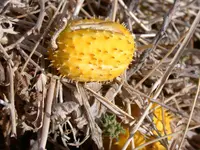
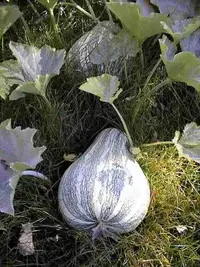
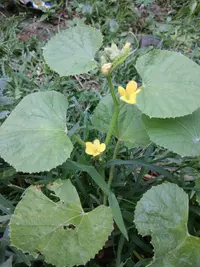
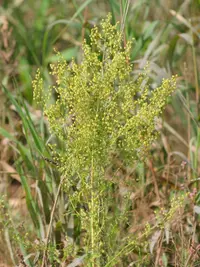
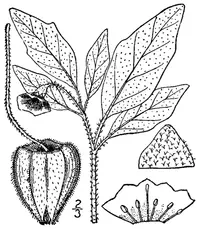
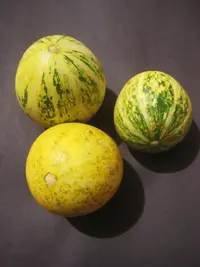
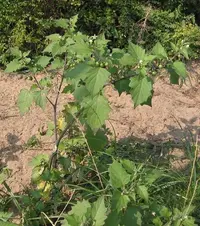
Missouri gourd (Cucurbita foetidissima) is a vigorous perennial vine in the squash family, known for its sprawling stems, large rough leaves, and hard, lemon-sized gourds. The plant has a strong odor when crushed, which helps distinguish it from common garden squashes.

It is native to dry, open habitats of the central and southwestern United States and northern Mexico, where it tolerates heat, drought, and poor soils. Once established, it can be long-lived and spreading, so space and containment are important when planning how to care for Missouri gourd.

This species prefers full sun, well-drained soil, and low to moderate moisture, aligning with its arid-land origins.

Main Plant Requirements

Care Difficulty

Easy Care

Light Preference

Full Sun

Water Requirements

Low Water

Temperature Preference

Warm Climate

Hardiness Zone

5–10

Soil Texture

Sandy, Loamy, Rocky

Soil pH

Slightly acidic (6.5–7.0), Slightly alkaline (7.0–7.5)

Soil Drainage

Well-drained

Fertilization

Minimal (feed rarely)

Get Personalized Care Plan

Scan your plant to receive care tips personalized for your specific plant

Available on iOS and Android

How to Care for the Missouri gourd

This sun-loving perennial vine thrives in open, exposed sites with strong light.

  • Provide full sun for 8–10 hours daily; Missouri gourd produces stronger vines and more flowers with unobstructed exposure.
  • Accepts light partial shade for 2–3 hours, but persistent shade leads to weak, elongated growth and fewer fruits.
  • Site plants where they receive morning and midday sun; in very hot regions, brief late-afternoon shade reduces leaf scorch on thin, young foliage.

This deep-rooted desert perennial prefers dry, fast-draining conditions once established.

  • Water only when the top 5–8 cm of soil are completely dry; in native ground this may mean long intervals between soakings.
  • Use very well-drained, sandy or gravelly soil so water does not pool; soggy conditions cause yellowing leaves and root rot in Cucurbita foetidissima.
  • In the first growing season, water deeply after noticeable wilting in heat, but reduce watering sharply once vines mature and storage roots develop.

This species is adapted to hot, arid climates and tolerates a wide temperature range once mature.

  • Optimal growth occurs around 75–95°F (24–35°C), especially during the main summer growing period in open fields or wild areas.
  • Plants tolerate brief dips to about 25°F (-4°C), but repeated freezes damage foliage; hard frost kills top growth though roots may resprout.
  • High heat up to 105°F (41°C) is tolerated if soil is dry to moderately dry; cooler spring soils below 60°F (16°C) slow germination and early growth.

This drought-adapted vine handles low humidity and usually does not need special humidity management.

Cucurbita foetidissima performs best in very well-drained, lean, sandy or gravelly soil with ample air around the roots.

  • Use a mix of roughly 60–70% coarse sand or grit with 30–40% native soil or low-compost topsoil to mimic dry, open habitats.
  • Ensure sharp drainage; water should pass through rapidly with no pooling or stickiness when the soil is squeezed in the hand.
  • Keep organic matter modest; too much compost or manure encourages weak, lush top growth and reduces drought tolerance.
  • Avoid heavy clay, waterlogged spots, or compacted areas; raised mounds or ridges improve drainage and root aeration.

This deep-rooted, sprawling species is generally poorly suited to long-term container growing.

Cucurbita foetidissima is a tough native perennial that needs minimal feeding in lean, well-drained soils.

  • On poor soils, apply a light layer of compost or well-rotted manure in early spring before new growth starts.
  • If desired, use a balanced NPK granular or slow-release fertilizer at half strength once in spring for growing Missouri gourd.
  • Avoid high-nitrogen lawn fertilizers that cause excessive vine growth with fewer flowers and fruits.
  • Do not feed during late fall and winter, when the plant is naturally dormant.

Pruning Cucurbita foetidissima is mainly done to manage spread and remove damaged growth.

  • Best timing is late winter to early spring, before vigorous new shoots emerge.
  • Cut back dead, diseased, or storm-damaged stems with clean, sharp pruners to reduce infection risk.
  • Thin crowded runners to direct energy into stronger vines and more flowering sites.
  • Light shaping along bed edges keeps the plant contained without stressing the root crown.

This deep-rooted perennial gourd is usually grown in the ground, so care focuses on thoughtful transplanting rather than frequent repotting.

  • Transplant seedlings outdoors in late spring once soil is warm and frost risk has passed.
  • Choose a permanent, sunny site with deep, well-drained soil, as mature taproots resent disturbance.
  • If container-grown, move up one pot size only when roots circle the container or growth slows.
  • Water deeply after transplanting, then keep soil slightly moist for 1–2 weeks to reduce root stress.

Propagation of Cucurbita foetidissima is most reliable from seeds, which handle outdoor conditions well.

  • Sow seeds in late spring when soil reaches about 65–75°F for faster, more even germination.
  • Scarify hard seed coats lightly with sandpaper, then sow 2–3 cm deep in well-drained soil or a gritty mix.
  • Keep the medium evenly moist, not waterlogged, until seedlings are well established in strong light.
  • Root division is rarely used because the plant has a large taproot that does not divide cleanly.

This species forms a hardy perennial root system and generally needs little winter care in most temperate regions.

  • Established plants tolerate moderate frost, with top growth dying back while the root survives.
  • In colder zones, add a 5–8 cm mulch layer over the root zone after the ground cools, not while warm.
  • Container-grown plants in cold climates can be moved to an unheated, frost-free garage or shed.

Care Tips

Control underground spread

Install a deep root barrier or dedicate a contained bed before planting to prevent the extensive tuber system from invading nearby crops or lawn areas.

Train vigorous vines

Guide young vines along a fence or strong trellis and loosely tie them with soft ties, which improves airflow, simplifies harvest, and makes monitoring for pests easier.

Time fruit harvest

Allow fruits to fully mature and harden on the vine, then harvest before hard frost so the gourds cure properly and store longer for ornamental or craft use.

Manage volunteer seedlings

Remove unwanted self-sown seedlings early in spring with a hoe or by hand, as they quickly become deep-rooted and difficult to eradicate once established.

Monitor for root rot

In low-lying or heavy soils, periodically dig a small inspection hole near but not into the root zone to check for standing water, then add surface berms or shallow swales to redirect runoff and reduce rot risk when growing Missouri gourd.

Common Pests and Diseases

Squash bugs

This pest feeds on leaves and stems, causing yellow spots that turn brown and crispy, often leading to wilting on runners and young growth.

Solution

Hand-pick adults and nymphs in early morning, crush egg clusters on leaf undersides, and remove plant debris where bugs shelter; in small plantings, use row covers early in the season and apply insecticidal soap directly to nymphs, avoiding flowers to protect pollinators.

Squash vine borers

This pest tunnels inside stems, leading to sudden wilting of individual vines even when soil moisture is adequate, with sawdust-like frass at entry holes near the stem base.

Solution

Inspect stems regularly, slit affected stems lengthwise to remove larvae by hand, then mound soil over the wounded section to encourage new rooting; in areas with a history of borer problems, use row covers before flowering and rotate plantings away from infested beds for several years.

Bacterial wilt

This disease causes progressive wilting of vines, often starting on one runner and spreading, with stems that may ooze sticky bacterial strands when cut and gently pulled apart.

Solution

Promptly remove and destroy infected vines to reduce sources of the bacterium, control cucumber beetles that spread the disease using row covers and targeted trapping, and plant in new areas in subsequent seasons to reduce carryover in beetle populations; there is no reliable curative treatment once plants are systemically infected.

Powdery mildew

This disease produces white, powdery patches on older leaves that gradually spread, leading to yellowing, leaf curling, and reduced vigor later in the growing season.

Solution

Improve air circulation by spacing vines generously and managing surrounding weeds, remove heavily infected leaves that are no longer contributing to growth, and apply sulfur or potassium bicarbonate-based fungicides preventively when weather is warm and dry with high humidity on foliage; avoid overhead watering late in the day to keep leaves drier.

Cucumber beetles

These insects chew holes in leaves and flowers and also act as vectors for bacterial wilt, so even light feeding can lead to serious disease issues in susceptible stands of this species.

Solution

Use yellow sticky traps and early-season row covers to limit beetle populations, remove nearby alternative cucurbit hosts when possible, and treat severe infestations with targeted insecticidal sprays such as pyrethrin or spinosad applied in the evening to reduce impact on pollinators; regular scouting and early removal of damaged seedlings are important parts of Cucurbita foetidissima care.

Interesting Facts

Desert-adapted perennial vine

This species is unusual among gourds because it forms a deep, massive perennial tuber that can resprout every year, allowing the above-ground vine to die back in winter yet survive long-term in arid and semi-arid habitats of the central and southwestern United States.

Specialized pollinator relationships

Its yellow flowers are primarily visited by native solitary bees rather than honey bees, and the plant’s flowering schedule and morphology are closely aligned with the activity patterns of these local bee species in dry grassland and scrub environments.

High-oil, bitter seeds

The seeds have a high oil and protein content comparable to some cultivated oilseeds, but the rest of the plant is strongly bitter and foul-smelling due to cucurbitacin compounds that discourage most herbivores from feeding on it.

Botan icon

Did you know?

This species produces large, hard, lemon-sized fruits that can persist on the soil surface long after the pulp has dried, enabling seeds to be gradually dispersed by water movement along washes and by animals that roll or carry the lightweight, durable gourds across open terrain.

FAQs about Missouri gourd

This species spreads aggressively through long vines and deep, tuberous roots, especially in dry, open sites. In some regions it is treated as a weed because it can outcompete other vegetation and is difficult to remove completely.

Grow Healthy Plants with Botan Care

Keep your plants happy and healthy with plant identification, disease detection, and easy care guidance.

Botan plant care app — identify plants on mobile

Explore More Plants