Bambusa spinosa Care

Bambusa spinosa

About Bambusa spinosa

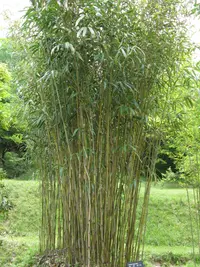
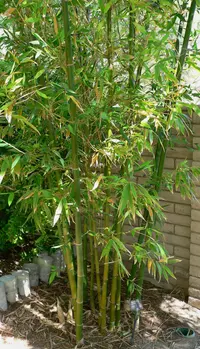
Bambusa spinosa is a clumping bamboo species known for its tall, upright canes and prominent, sharp thorns along the culms and branches. It forms dense, tough thickets that can be used as living fences or windbreaks in suitable climates.

This species is native to tropical and subtropical regions of Asia, where it grows in warm, humid environments with distinct wet and dry seasons. The plant is valued for its strong culms, which are often used locally for construction and utility purposes.

Due to its spines and vigorous growth, it is more suitable for experienced growers or larger outdoor spaces. Understanding how to care for Bambusa spinosa starts with providing warmth, sun, and consistently moist but well-drained soil.

Main Plant Requirements

Care Difficulty

Moderate Care

Light Preference

Full Sun

Water Requirements

Regular Water

Temperature Preference

Warm Climate

Hardiness Zone

9–11

Soil Texture

Sandy, Loamy, Organic-rich

Soil pH

Acidic (5.5–6.5), Slightly acidic (6.5–7.0)

Soil Drainage

Moist but well-drained

Fertilization

Light (every 4–6 weeks)

Get Personalized Care Plan

Scan your plant to receive care tips personalized for your specific plant

Available on iOS and Android

How to Care for the Bambusa spinosa

This thorny bamboo prefers bright, open conditions with some protection from harsh extremes.

  • Provide 4–6 hours of direct morning sun plus bright light the rest of the day for strong culm growth and dense foliage in Bambusa spinosa.
  • Tolerates light partial shade, but stems may grow thinner and taller; avoid sites shaded more than 50% of the day to prevent weak, sparse clumps.
  • In hot climates, protect from intense afternoon sun to reduce leaf scorch; maintain light, dappled shade in summer and avoid deep shade in winter.

This species prefers consistently moist, not waterlogged, soil, especially during active growth.

  • Aim for soil that stays evenly damp to 5–8 cm depth; allow only the top 2–3 cm to dry slightly before deep watering at the root zone.
  • Increase watering in hot, windy weather when leaves curl or fold during the day, and reduce frequency in cool or rainy seasons to prevent soggy soil.
  • Ensure free-draining loam with no standing water after 1–2 hours; yellowing lower leaves and sour smell suggest overwatering, while crisp leaf tips indicate underwatering in Bambusa spinosa.

This bamboo grows best in warm, frost-free to light-frost climates with moderate seasonal variation.

  • Optimal growth occurs around 70–90°F (21–32°C), with the strongest shoot production in consistently warm, humid conditions.
  • Tolerates brief drops to about 28–30°F (-2 to -1°C), but repeated or harder frosts can kill young culms and damage new shoots.
  • Handles heat up to 100°F (38°C) if soil moisture is maintained; in heatwaves, mulch heavily and avoid hot, reflected-heat sites to reduce stress.

This species prefers moderately humid air but usually adapts to typical home conditions.

  • Aim for 40–60% humidity, as very dry air slows new culm and leaf growth.
  • Crisp leaf tips and rolling or folding leaves indicate humidity stress combined with drought or high heat.
  • Group pots, place on a pebble tray, or mist foliage lightly during hot, dry spells to raise local humidity.

This bamboo grows best in deep, well‑structured mineral soil that drains freely yet holds steady moisture.

  • Use a loamy mix with 40–60% sand or fine grit plus organic matter such as composted bark or well‑rotted compost.
  • Aim for pH 6.0–7.0; mildly acidic to neutral soil supports nutrient availability and root activity.
  • In heavy clay, incorporate coarse sand and organic material to improve aeration and reduce waterlogging risk.
  • Avoid compacted, soggy sites or very shallow, stony soil, which restricts rhizome spread and increases rot risk for Bambusa spinosa.

This species can be grown in containers if the pot is large, stable, and managed for moisture and root spread.

  • Choose a wide, heavy container to counteract wind leverage from tall canes and dense foliage.
  • Select thick-walled clay or concrete pots in hot climates to moderate root-zone temperature and reduce moisture swings.
  • Use a slightly raised pot base so drainage holes stay clear and excess water exits rapidly after deep watering.

Nutrient inputs support strong, dense culms and healthy foliage in Bambusa spinosa, especially in poor soils or containers.

  • Use a balanced slow-release fertilizer (around 10-10-10 or similar NPK) or well-rotted compost at the start of the growing season.
  • Feed every 6–8 weeks during active growth, adjusting frequency down on fertile, in-ground plantings.
  • Apply at half to three-quarter label strength for container plants and water thoroughly afterward to avoid salt buildup.
  • Reduce or stop feeding in late fall and winter when growth slows, especially in cooler climates.

Thoughtful pruning keeps Bambusa spinosa safe, manageable, and well lit inside the clump.

  • Carry out main pruning in late winter or early spring before vigorous new shooting begins.
  • Cut out dead, damaged, or crossing culms at ground level to improve air flow and reduce disease risk.
  • Thin crowded interior culms selectively to admit light while keeping a natural, upright outline.
  • Use sharp bypass loppers or a pruning saw, making clean cuts and avoiding partial cuts that split culms.

Transplanting or container shifting helps maintain healthy growth and control spread in Bambusa spinosa.

  • Look for roots circling the pot, water running straight through, or slowed shoot growth as signs a container plant needs more space.
  • Plan major transplanting for late winter to early spring, before rapid new shoot emergence, to limit stress.
  • Shift container plants every 2–3 years into a pot 5–10 cm wider, using a free-draining, rich mix and firming gently around the root ball.
  • Water deeply after transplanting, shade from strong sun for 3–5 days, and keep soil evenly moist to help roots re-establish.

New plants of Bambusa spinosa are most reliably produced by division and culm cuttings rather than seed.

  • Divide established clumps in late winter or early spring, lifting and splitting sections with several healthy culms and rhizomes.
  • Plant divisions at the same depth as before in moist, well-drained soil and trim foliage lightly to reduce water loss.
  • For culm cuttings, take 2–3-node sections, lay or plant them horizontally, and keep nodes just below moist substrate.
  • Maintain warm conditions (70–80°F), bright but indirect light, and consistently moist soil to encourage rooting and shoot emergence.

Cold sensitivity means Bambusa spinosa benefits from some winter preparation in cooler regions.

  • In climates below about 25°F, expect top dieback and consider planting in a sheltered microclimate.
  • Apply a 5–10 cm mulch layer over the root zone in late fall to moderate soil temperature and conserve moisture.
  • Tie culms loosely together to reduce snow and ice damage, and avoid heavy pruning just before hard freezes.
  • Move container plants indoors or into an unheated but frost-free garage or shed where temperatures stay above freezing.

Care Tips

Wind-firm training

In the first 1–2 years, allow moderate wind exposure and avoid staking unless necessary so the culms flex and develop stronger supporting tissues, which helps reduce lodging in storms.

Thinning mature culms

Every 1–2 years, remove a portion of old, thick culms at ground level with a clean saw to open the clump, improve air flow, and direct energy into younger, more vigorous shoots.

Rhizome containment

Install a vertical root barrier 45–60 cm deep around the planting area before or soon after planting to keep rhizomes confined and make long-term management of the clump easier.

Mulch management

Maintain a 5–8 cm layer of coarse organic mulch under the canopy but keep it 5–10 cm away from the culm bases to conserve moisture while reducing risk of basal rot and rodent damage.

Monsoon season checks

In regions with heavy seasonal rain, inspect the clump after storms, prune any cracked or leaning culms, and lightly firm soil around exposed roots to keep the stand upright and healthy when growing Bambusa spinosa.

Common Pests and Diseases

Bamboo woolly aphids

This pest forms white, wool-like clusters on culms and leaves, sucking sap and causing yellowing and weakening of shoots.

Solution

Prune and destroy heavily infested culms, then hose down plants with a strong stream of water to dislodge colonies and follow with targeted applications of insecticidal soap or a neem-based spray on the undersides of leaves and young culms, repeating every 7–10 days until populations collapse.

Bamboo borers

These insects tunnel inside culms, leaving small entry holes, frass (powdery sawdust), and causing structural weakening and dieback of affected canes.

Solution

Cut out and destroy all visibly bored culms to remove larvae, keep clumps vigorous with proper watering and fertilization, and for valuable plantings consider using a systemic insecticide labeled for borers applied to soil or culms during peak adult flight periods to prevent new infestations.

Scale insects

This pest appears as small, immobile bumps on culms and leaves, producing sticky honeydew that can lead to sooty mold and gradual decline in vigor.

Solution

Physically scrape or wipe off scales with a soft brush or cloth dipped in diluted alcohol or insecticidal soap, then apply horticultural oil thoroughly to culms and leaf sheaths during mild weather to smother remaining stages, monitoring and repeating as needed as part of broader Bambusa spinosa care instructions.

Bamboo blight

This disease causes dark, elongated lesions on culms and branches, often with dieback of young shoots and a general thinning of the clump.

Solution

Remove and dispose of all infected culms and leaf debris, improve air circulation by thinning crowded canes, avoid overhead irrigation, and if conditions stay wet apply a copper-based fungicide or other bamboo-labeled fungicide at intervals recommended on the product label during the rainy season.

Sooty mold

Symptoms include black, soot-like fungal growth on leaves and culms that grows on honeydew excreted by sap-sucking insects, reducing photosynthesis and making plants look dirty and dull.

Solution

Control the underlying honeydew-producing pests such as aphids or scale, then gently wash affected foliage and culms with water (with a mild soap if needed) to remove the mold, ensuring good air movement and avoiding excessive overhead watering to discourage re-establishment.

Interesting Facts

Naturally armed culms

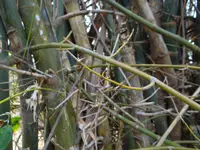
This species develops very sharp, rigid spines from its lower branches and nodes, forming a defensive barrier that discourages large herbivores and human intrusion in its native range.

Preferred in rural fencing

In parts of South and Southeast Asia, the dense, thorny clumps are traditionally planted as living fences and boundary markers because the spiny culms are difficult to penetrate and require little maintenance once established.

Heavy-duty culm structure

Mature culms of this species are notably thick-walled and strong for their size, so in many regions they are used locally for load-bearing construction, scaffolding, and durable tool handles where a tough structural material is needed.

Botan icon

Did you know?

In several flood-prone regions, dense stands of this spiny bamboo are deliberately maintained along waterways because their extensive rhizome and root systems help stabilize soil, reduce bank erosion, and buffer agricultural land from water damage over time.

FAQs about Bambusa spinosa

This species forms running clumps and can spread vigorously through rhizomes. In gardens, use deep root barriers, regular rhizome pruning, or dedicated beds to prevent unwanted spread into lawns, neighboring properties, or natural habitats.

Grow Healthy Plants with Botan Care

Keep your plants happy and healthy with plant identification, disease detection, and easy care guidance.

Botan plant care app — identify plants on mobile

Explore More Plants