Nastus borbonicus Care

Nastus borbonicus

About Nastus borbonicus

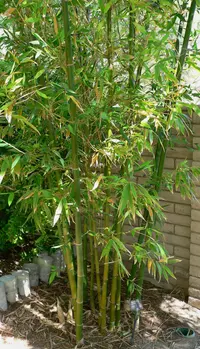
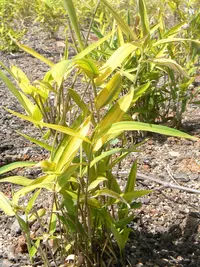
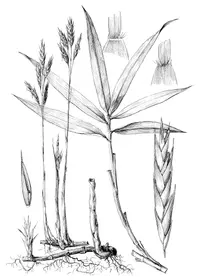
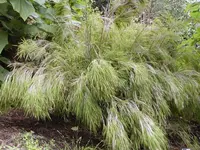
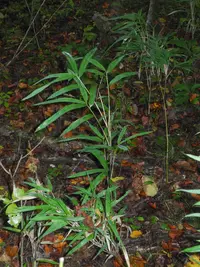
Nastus borbonicus is a lesser-known bamboo species from the Mascarene Islands in the Indian Ocean, notably Réunion. It grows as a clumping bamboo, forming upright, cane-like stems with narrow leaves. In natural habitats it occurs in humid, montane forest, where it benefits from consistent moisture and mild temperatures. As an ornamental, it suits gardeners interested in unusual bamboo species and structured, vertical accents. Growth can be vigorous in suitable climates, so space and long-term size should be considered. For those who want to learn how to care for Nastus borbonicus, it generally prefers bright light, ample moisture, and well-drained but consistently damp soil.

Main Plant Requirements

Care Difficulty

Moderate Care

Light Preference

Partial Shade

Water Requirements

Moderate Water

Temperature Preference

Warm Climate

Hardiness Zone

Unknown

Soil Texture

Loamy, Sandy, Organic-rich

Soil pH

Acidic (5.5–6.5), Slightly acidic (6.5–7.0)

Soil Drainage

Well-drained

Fertilization

Minimal (feed rarely)

Get Personalized Care Plan

Scan your plant to receive care tips personalized for your specific plant

Available on iOS and Android

How to Care for the Nastus borbonicus

This clumping bamboo prefers bright, filtered light that mimics an open forest edge.

  • Provide 4–6 hours of indirect or lightly filtered sun, such as morning sun with afternoon shade, to support steady growth of Nastus borbonicus.
  • Allow light dappled shade in hotter regions; strong afternoon sun can scorch leaves, causing pale, dry patches and rolled leaf edges.
  • In cooler or cloudier climates, choose a site with brighter exposure and minimal competition from taller plants to prevent weak, sparse canes.

This species prefers consistently moist but not waterlogged soil around its root zone.

  • Water when the top 3–5 cm of soil feel slightly dry, ensuring moisture penetrates 15–20 cm deep to reach the rhizomes.
  • Use freely draining, loamy soil so excess water can escape; signs of overwatering include yellowing lower leaves and sour, muddy soil smell.
  • In hot, dry periods increase watering frequency, while in cool or rainy seasons reduce watering and rely more on natural precipitation.

This bamboo favors warm, frost-free conditions to maintain healthy culm and leaf growth.

  • Aim for 68–86°F (20–30°C) as the main growing range, which supports active shoot production and leaf development.
  • Protect from cold below 40°F (4°C); prolonged exposure near or below 32°F (0°C) can damage new shoots and burn foliage.
  • In hot spells above 90°F (32°C), provide extra mulch and some afternoon shade to limit heat stress and reduce moisture loss from the soil.

This species appreciates moderate humidity and reacts if air becomes very dry.

  • Aim for 50–70% humidity for Nastus borbonicus, especially in heated or air-conditioned rooms.
  • Leaf tips browning, rolling, or slow shoot expansion indicate humidity stress rather than underwatering.
  • Increase humidity by grouping plants, using a room humidifier nearby, or placing containers over a water-filled pebble tray without submerging the roots.

This clumping bamboo prefers deep, airy, well-drained soil that still retains steady moisture.

  • Use a loamy mix with high organic matter, such as garden loam blended with compost and fine bark.
  • Ensure rapid drainage; incorporate 20–30% coarse sand or perlite to prevent waterlogging around the rhizomes.
  • A slightly acidic to neutral pH around 6.0–7.0 supports nutrient uptake and steady culm growth for Nastus borbonicus.
  • Avoid compacted, heavy clay or constantly saturated sites, which reduce aeration, encourage rot, and restrict new shoot development.

This bamboo can be grown in large containers if stability and root space are carefully managed.

  • Choose a tall, heavy container to counterbalance the height of the culms and reduce tipping in wind.
  • Select thick-walled plastic or glazed ceramic to slow moisture loss while still providing firm side support for the root mass.
  • Use a container with multiple wide drainage holes so excess water exits quickly and does not pool at the rhizome level.

This bamboo species benefits from modest feeding when actively growing but reacts poorly to heavy, salty fertilization.

  • Apply a balanced slow-release fertilizer (around 10-10-10) at the start of the warm growing season for Nastus borbonicus.
  • Supplement with light monthly feeds of diluted liquid fertilizer at 1/2 strength if growth seems weak.
  • Avoid fertilizing in late fall and winter so new shoots can harden and the plant can rest.
  • Use compost or well-rotted organic mulch over the root zone to provide gentle, long-term nutrients.

Pruning is mainly used to manage size and keep clumps healthy and accessible.

  • Best time for structural pruning is late winter to early spring before strong new shoots emerge.
  • Remove dead, damaged, or crossing culms at ground level using sharp, clean loppers or a pruning saw.
  • Thin crowded stems from the center of the clump to improve light, airflow, and overall vigor.
  • Shorten or remove leaning culms to refine shape and keep Nastus borbonicus within the desired space.

This bamboo is more often transplanted in the landscape than grown long term in containers.

  • Transplant or shift the plant when growth slows, roots circle the pot, or rhizomes press against container walls.
  • Plan major moves for late winter to early spring, just before strong new shoot growth, to reduce shock.
  • In containers, dividing and replanting every 2–3 years helps prevent root binding and decline.
  • Water thoroughly before and after moving, keep roots shaded, and trim minimal roots to limit stress on Nastus borbonicus.

Propagation is possible but can be slow, so it is typically done by experienced growers or nurseries.

  • Division of established clumps in late winter or early spring is the most reliable method.
  • Lift a section with several healthy culms and rhizomes, then cut cleanly into smaller divisions using a sharp spade or saw.
  • Replant divisions immediately in moist, well-drained soil, keeping them at the same depth and watering thoroughly.
  • Maintain high humidity, light shade, and consistently moist soil until new shoots confirm successful establishment.

This bamboo prefers mild, frost-free climates and needs extra attention where winters drop below freezing.

  • In marginal climates, apply 5–8 cm of organic mulch around the root zone to buffer temperature swings.
  • Where hard frosts occur, wrap lower culms with breathable fabric or burlap to reduce tissue damage.
  • Move container-grown plants into a cool, bright, frost-free area when temperatures approach 32°F.
  • Water sparingly in winter, keeping soil slightly moist but never waterlogged to prevent root rot.

Care Tips

Wind-firm staking

Install 2–3 sturdy stakes outside the main clump and use soft, wide ties to loosely secure younger culms so they flex in the wind without snapping or rubbing against each other.


Thinning mature culms

Every 2–3 years, remove the oldest, dull or overly crowded culms at ground level to increase light and air movement within the clump and direct energy into vigorous new shoots.

Rhizome containment

Before planting, sink a 40–60 cm deep root barrier around the planting area or position the plant near a solid path or wall to keep rhizomes from slowly spreading into unwanted spaces.

Mulch for shoot protection

Apply a 5–8 cm layer of coarse organic mulch around the base to shield emerging shoots from drying and mechanical damage and to moderate soil temperature during seasonal fluctuations.

Regular structural inspection

After storms or heavy rain, check for leaning culms, cracked stems, or soil heave and reset, retie, or prune damaged growth promptly to maintain a stable, upright clump when growing Nastus borbonicus.

Common Pests and Diseases

Giant bamboo aphids

This pest feeds on young culms and leaves, sucking sap and causing yellowing, leaf curl, and sticky honeydew that promotes sooty mold growth.

Solution

Prune and destroy heavily infested shoots, then hose down culms and foliage with a strong water spray to remove colonies; if needed, follow with applications of insecticidal soap or horticultural oil, ensuring thorough coverage of undersides of leaves and tender culm sections as part of broader Nastus borbonicus care instructions.

Bamboo scale

These insects attach to culms and leaf sheaths, appearing as small, flattened bumps that cause patchy yellowing, stunting, and gradual thinning of the clump.

Solution

Scrub small infestations from culms with a soft brush and soapy water, remove badly affected canes, then apply horticultural oil during mild weather to smother remaining scales while monitoring for ants that may be protecting them.

Bamboo blight

This disease produces dark, elongated lesions on culms and sometimes leaves, which can crack, girdle the stem, and cause dieback of affected canes over time.

Solution

Cut out and dispose of infected culms well below visible lesions, avoid overhead irrigation, and improve air circulation around the clump; in wet climates, keep mulch away from culm bases and use clean tools to prevent further spread.

Leaf spot complex

This disease causes scattered brown or purplish spots on foliage that may coalesce, leading to premature leaf drop and reduced plant vigor, especially in humid, shaded sites.

Solution

Remove and discard affected leaves, thin dense growth to increase airflow, keep foliage as dry as possible, and avoid nitrogen-heavy fertilization that promotes soft, disease-prone leaves.

Interesting Facts

Mascarene island endemic

Nastus borbonicus is native to the Mascarene Islands in the Indian Ocean, especially Réunion, where it grows in moist montane forests and thickets rather than in low, dry areas.

Woody clumping bamboo

This species forms woody, clumping culms typical of many tropical bamboos, creating dense stands that provide shelter and structural habitat for invertebrates and small vertebrates in its native range.

Role in forest structure

In suitable sites it can form conspicuous patches in the understory or at forest edges, influencing light levels near the ground and helping stabilize steep, erosion‑prone slopes.

FAQs about Nastus borbonicus

This clumping bamboo spreads slowly by short rhizomes and is not usually aggressive in gardens. Given time and suitable warmth, it can form dense clumps, but it rarely behaves like an invasive running bamboo.

Grow Healthy Plants with Botan Care

Keep your plants happy and healthy with plant identification, disease detection, and easy care guidance.

Botan plant care app — identify plants on mobile

Explore More Plants