Mexican weeping bamboo Care (Otatea acuminata)

Mexican weeping bamboo

About Mexican weeping bamboo

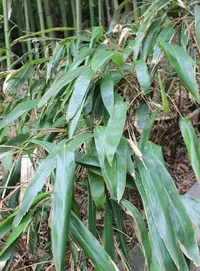
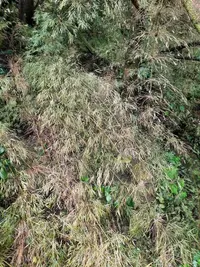
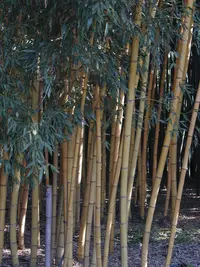
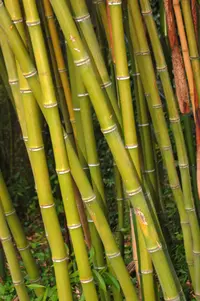
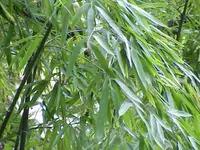
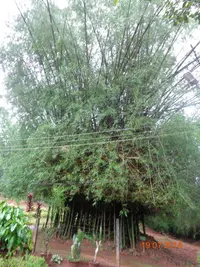
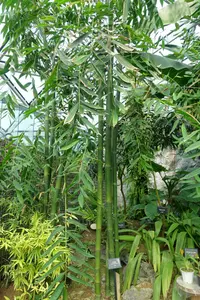
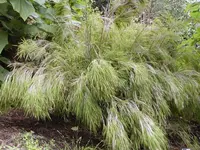
Mexican weeping bamboo, Otatea acuminata, is a clumping bamboo known for its narrow, arching leaves that create a fine, fountain-like texture. It forms dense, graceful thickets rather than running aggressively.

This species is native to Mexico, where it grows on dry, rocky slopes and seasonally arid hillsides. Its tolerance for heat, wind, and lower moisture makes it easier than many bamboos in suitable climates.

Growth is relatively fast once established, but young plants need consistent care and protection from extreme cold. To care for Mexican weeping bamboo, provide sun, well-draining soil, and moderate watering during the main growing season.

Main Plant Requirements

Care Difficulty

Moderate Care

Light Preference

Full Sun

Water Requirements

Moderate Water

Temperature Preference

Warm Climate

Hardiness Zone

9–11

Soil Texture

Sandy, Loamy, Organic-rich

Soil pH

Slightly acidic (6.5–7.0), Neutral (7.0)

Soil Drainage

Moist but well-drained

Fertilization

Minimal (feed rarely)

Get Personalized Care Plan

Scan your plant to receive care tips personalized for your specific plant

Available on iOS and Android

How to Care for the Mexican weeping bamboo

This clumping bamboo prefers bright, open exposure with some protection from harsh midday sun.

  • Provide 4–6 hours of direct morning sun with light afternoon shade; in hotter regions, use filtered light under high trees or shade cloth from 12–4 pm.
  • Mexican weeping bamboo tolerates light partial shade but becomes thinner and more open if it receives under 3–4 hours of direct sun daily.
  • Watch for leaf curl, pale foliage, or scorched tips as signs of too much intense sun, and elongated, weak canes as a sign of insufficient light.

This species prefers consistently moist but not saturated soil once established.

  • Water when the top 3–5 cm of soil feels dry; in loam or sandy soil this often means deep watering every few days in hot weather, less in cool seasons.
  • Ensure free-draining soil or a slight slope so water does not pool around the roots of Otatea acuminata, which increases root rot risk.
  • Crisp, rolling leaves that stay folded indicate drought stress, while yellowing lower leaves and soggy soil point to overwatering.

This bamboo grows best in warm, mild climates without prolonged frost.

  • Optimal growth occurs around 65–85°F (18–29°C), with strong shoot production in late spring and summer when nights stay above about 55°F (13°C).
  • Plants usually tolerate brief drops to about 20–25°F (-7 to -4°C), but foliage and young culms may burn; heavy, repeated frost can kill new shoots.
  • During heat above 95°F (35°C), provide mulch and sufficient moisture to protect roots, as prolonged extreme heat with dry soil can stress and thin the clump.

This bamboo prefers moderately humid air but copes with many home and garden conditions.

  • Aim for 40–60% humidity; it tolerates brief dips lower but grows denser foliage in the mid-range.
  • Leaves curling inward, browning at tips, or shedding more than usual signal humidity stress or chronic dryness.
  • Increase humidity near Mexican weeping bamboo with grouped plantings, a wide pebble tray under outdoor pots, or wind protection.

This species performs best in loose, fast-draining, moderately fertile soil.

  • Use a loamy mix with noticeable structure, such as 2 parts garden loam, 1 part compost, and 1 part coarse sand or fine bark to keep it airy.
  • Ensure water drains through within seconds; if it puddles or feels sticky, lighten the texture with more sand or bark fines.
  • A slightly acidic to neutral pH around 6.0–7.0 supports nutrient uptake and stable growth for Otatea acuminata.
  • Avoid heavy clay, compacted ground, or constantly wet sites; improve aeration with organic matter and coarse mineral particles before planting.

This species adapts reasonably well to container growing when given enough root space and stability.

  • Choose a wide, heavy container to counterbalance the arching canes and prevent tipping in wind.
  • Select thick-walled terracotta or other porous materials if extra evaporation is needed in wet climates; use plastic where water loss is rapid.
  • Use a deeper pot than typical ornamental grasses to accommodate long rhizomes while still allowing free-flowing drainage through multiple holes.

Otatea acuminata benefits from light, consistent feeding during its active growing season.

  • Apply a balanced, slow-release NPK fertilizer in spring at half the label rate for bamboo or ornamental grasses.
  • Supplement with a thin layer of compost over the root zone 1–2 times during the growing season to support soil health.
  • Feed every 6–8 weeks in warm months; stop or reduce to very light feeding in fall and winter.
  • Water thoroughly after each application to move nutrients into the root zone and prevent salt buildup in the soil.

Pruning helps maintain healthy structure and elegant form in Otatea acuminata.

  • Best time is late winter to early spring before strong new growth begins, so cuts heal quickly.
  • Remove dead, damaged, or diseased culms at ground level using clean, sharp bypass pruners or a fine-toothed saw.
  • Thin out crowded interior culms to improve airflow and light penetration, which supports vigorous, upright growth.
  • Lightly shape the outer curtain of foliage by trimming only the tips that disrupt the plant’s natural weeping habit.

This species is most often grown in-ground, so transplanting is usually more relevant than frequent repotting.

  • Look for roots circling containers, cracking pots, or slowed growth as signs that a clump needs more space.
  • Transplant or up-pot in late winter to early spring, when temperatures are mild and new roots can establish quickly.
  • Plan on dividing or moving clumps every 3–5 years if growing Mexican weeping bamboo in containers or tight landscape spaces.
  • Dig a wide root ball, keep roots shaded and moist, replant at the same depth, and water deeply to reduce transplant shock.

Propagation of Otatea acuminata is usually done vegetatively because flowering and viable seed are infrequent.

  • Division of established clumps in late winter to early spring is the most reliable method for home gardeners.
  • Lift or expose part of the clump, then cut sections with several culms and a solid root mass using a sharp spade or saw.
  • Replant divisions promptly in well-drained soil, water thoroughly, and maintain even moisture until strong new shoots appear.
  • Keep newly divided plants sheltered from intense sun and wind for a few weeks to support root recovery and establishment.

In mild climates this bamboo needs little winter attention, but it benefits from basic protection in colder areas.

  • Otatea acuminata tolerates light frost but can suffer leaf and culm damage below about 20°F, especially when young.
  • Apply a 5–8 cm layer of mulch around the root zone in late fall, keeping it slightly away from the culms.
  • For containers, move pots into a sheltered, frost-free spot such as an unheated garage or bright porch during hard freezes.

Care Tips

Wind-training canes

In the first 1–2 years, expose young plants to steady but not extreme wind or use a gently oscillating fan outdoors to encourage thicker, more wind-resistant culms before the clump reaches full height.

Selective culm thinning

Every 1–2 years, remove the oldest, most crowded culms at ground level with clean, sharp loppers to increase air flow, reduce fungal risk, and keep the clump gracefully arching rather than congested.

Root run management

Install a 45–60 cm deep root barrier angled slightly outward or periodically spade-cut around the clump in late winter to keep the root system contained without stressing the plant.

Mulch to protect culms

Apply a 5–8 cm layer of coarse organic mulch around but not against the culm bases to buffer soil temperature, limit weed competition, and protect surface roots from mechanical damage during maintenance.

Cold snap preparation

In regions with occasional hard frosts, loosely tie culms into small bundles and wrap the lower 60–90 cm with breathable frost cloth before cold nights to reduce leaf scorch and culm cracking when growing Mexican weeping bamboo.

Common Pests and Diseases

Bamboo mites

This pest feeds on the undersides of leaves, causing fine yellow stippling, bronzing, and eventual leaf drop in dry, warm conditions.

Solution

Increase humidity slightly around foliage, hose down leaf undersides with a strong but gentle spray, and remove heavily damaged leaves; for persistent infestations use a labeled miticide or insecticidal soap, repeating applications as directed and focusing on the undersides of leaves.

Bamboo aphids

These insects cluster on young shoots and leaf bases, sucking sap and causing curling, distortion, and sticky honeydew that can attract sooty mold.

Solution

Prune out heavily infested shoots, wash stems and leaves with a firm stream of water, and follow with insecticidal soap or a light horticultural oil, ensuring thorough coverage of new growth and repeating at 7–10 day intervals until populations collapse.

Bamboo mealybugs

This pest appears as white, cottony clusters at stem nodes and in dense foliage, weakening clumps and causing poor shoot growth over time.

Solution

Inspect clumps regularly, remove and discard heavily infested culms, dab visible insects with cotton swabs dipped in alcohol, and apply horticultural oil or insecticidal soap into leaf sheaths and culm joints, improving air circulation to make hiding places less favorable.

Bamboo mosaic virus

This disease causes irregular yellow striping, mottling, and distorted leaves, often more visible on stressed plants or in full sun.

Solution

There is no cure, so remove and destroy suspect culms or entire clumps that show persistent mosaic patterns, sanitize tools between cuts, and control sap-sucking insects such as aphids to reduce spread when planning how to take care of Mexican weeping bamboo.

Sooty mold

This disease develops as a black, soot-like coating on leaves and culms growing on honeydew produced by aphids, scale, or other sap feeders, reducing photosynthesis and making plants look dirty and dull.

Solution

Rinse leaves with water to gently remove the fungal coating, then focus on controlling the underlying sap-feeding insects using targeted measures such as insecticidal soap or horticultural oil so that new growth emerges clean and unaffected.

Interesting Facts

Narrowest bamboo foliage

This Mexican weeping bamboo has extremely slender, ribbon-like leaves, often only a few millimeters wide, giving the clump a fine, hair-like texture that is unusual among woody bamboos.

Adapted to dry slopes

In its native range in Mexico, this species naturally occurs on rocky, seasonally dry hillsides and open woodlands, making it more drought-tolerant than many other ornamental bamboos.

Graceful arching culms

Its thin, flexible culms bend under their own foliage, creating a cascading, fountain-like form that moves easily with light wind, an adaptation that helps reduce mechanical breakage in exposed sites.

Botan icon

Did you know?

This species belongs to a mainly tropical American bamboo lineage and is one of the relatively few woody bamboos native to arid and semi-arid habitats, which is why many horticulturists recommend it when looking to grow Otatea acuminata in warmer, drier landscapes.

FAQs about Mexican weeping bamboo

Brown leaf tips usually come from dry air, underwatering, or excess fertilizer salts. Browning along edges often indicates wind or sun scorch. Check soil moisture, flush the pot occasionally, and shield the foliage from hot, drying winds.

Grow Healthy Plants with Botan Care

Keep your plants happy and healthy with plant identification, disease detection, and easy care guidance.


Botan plant care app — identify plants on mobile

Explore More Plants