Cantaloupe Care (Cucumis melo subsp. melo)

Also known as: melon, musk melon, Dudaim Melon, Wild Muskmelon, Apple Melon, Queen Anne's Pocket Melon, Vine Pomegranate, Plum Granny
Cantaloupe

About Cantaloupe

Cantaloupe, Cucumis melo subsp. melo, is a warm-season annual vine grown mainly for its sweet, aromatic fruit. It belongs to the cucurbit family, along with cucumbers and other melons.

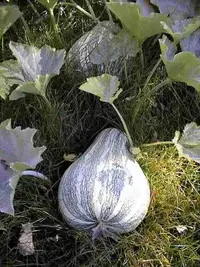
The plant has sprawling, rough-textured stems, broad lobed leaves, and yellow flowers that develop into netted, round fruits with orange flesh. It is thought to have originated in regions of South and Central Asia and is now widely cultivated in many warm, sunny climates.

This subspecies grows quickly but needs consistent warmth, plenty of light, and enough space for its vines, so it is easier outdoors than in small indoor setups. Understanding how to care for Cantaloupe helps prevent issues with pests, diseases, and poor fruit quality.

It generally prefers full sun, moderate moisture, and well-drained, fertile soil.

Main Plant Requirements

Care Difficulty

Moderate Care

Light Preference

Full Sun

Water Requirements

Regular Water

Temperature Preference

Tropical / Frost Sensitive

Hardiness Zone

4–11

Soil Texture

Sandy, Loamy, Organic-rich

Soil pH

Acidic (5.5–6.5), Slightly acidic (6.5–7.0)

Soil Drainage

Moist but well-drained

Fertilization

Moderate (every 2–4 weeks)

Get Personalized Care Plan

Scan your plant to receive care tips personalized for your specific plant

Available on iOS and Android

How to Care for the Cantaloupe

This sun-loving melon needs strong light to produce sweet, well-ripened fruit.

  • Provide full sun for 8–10 hours per day; open, unshaded beds suit Cucumis melo subsp. melo best.
  • Tolerates light afternoon shade in very hot climates, but too much shade causes weak, sprawling vines and poor fruit set.
  • In spring, protect young plants from abrupt exposure; in midsummer, use light mulch to reduce soil overheating and sunscald on exposed fruits.

This species prefers steadily moist, well-drained soil without becoming waterlogged.

  • Water when the top 3–5 cm of soil feels dry, applying a deep soak at the base rather than frequent light sprinkling.
  • Use free-draining soil or raised beds; yellowing, soft stems or a sour smell indicate overwatering, while persistent wilting and dry, crispy leaves indicate underwatering.
  • Reduce watering slightly as fruits near full size to concentrate sweetness, but never allow vines to remain wilted for more than a few hours.

Warm, stable temperatures are essential for strong vine growth and reliable fruiting.

  • Aim for 70–90°F (21–32°C) for active growth; germination and early vines are slow below 70°F (21°C).
  • Protect plants from temperatures below 55°F (13°C); light frost at 32°F (0°C) can kill vines outright.
  • Cantaloupe tolerates short hot spells up to about 95°F (35°C) if soil moisture is stable and roots are mulched to limit heat stress.

Humidity is not a major factor for Cucumis melo subsp. melo compared with light and temperature.

  • Performs well at 30–60% relative humidity, common in most outdoor summer conditions.
  • Tolerates brief dry air periods if soil moisture is kept consistent at the root zone.
  • Watch for slowed growth, curling leaf edges, or aborted flowers during hot, very dry winds rather than adjusting humidity devices.

Cucumis melo subsp. melo prefers loose, well-aerated ground with reliable drainage for strong root and fruit development.

  • Use a deep loamy or sandy-loam soil enriched with 20–30% mature compost to support vigorous vines and fruiting.
  • Aim for pH 6.0–6.8; where soil is acidic, incorporate garden lime according to label rates before planting.
  • Improve drainage and aeration in heavy or compacted soil by working in coarse sand and fine bark or perlite to at least 20–30 cm depth.
  • Avoid waterlogged, very clayey, or repeatedly saturated spots, which promote root rot and reduce oxygen around the roots.

This species can be grown in containers if the pot is large, stable, and managed for moisture and spread.

  • Choose a container at least 40–50 cm wide and deep so the extensive root system can support fruit weight without stunting.
  • Use a heavy, wide-based pot or add bricks around the base to prevent tipping as vines sprawl and fruits develop on one side.
  • Raise the container on pot feet or blocks so drainage holes stay clear and excess water runs off quickly after heavy watering or rain.

Cucumis melo subsp. melo benefits from steady nutrients during its fast warm-season growth.

  • Apply a balanced soluble fertilizer (for example 10-10-10) at 1/2 strength every 10–14 days once vines start vigorous growth.
  • Alternatively, mix compost or a balanced slow-release fertilizer into the topsoil at planting time for caring for Cantaloupe.
  • Stop or greatly reduce feeding as vines yellow and fruiting ends, avoiding any fertilizer during winter or off-season.
  • Always water before liquid feeding to reduce root burn and keep salts from building up in container or bed soil.

Pruning Cucumis melo subsp. melo helps manage vine spread and improves fruit quality.

  • Use clean, sharp scissors or hand pruners to trim vines during active growth in late spring and summer.
  • Remove weak, damaged, or pest-damaged shoots and any leaves touching wet soil to limit disease.
  • Pinch growing tips after 4–6 true leaves to encourage branching and more potential fruiting shoots.
  • Thin crowded fruit by snipping excess small melons so remaining fruit receives more energy and ripens better.

Cucumis melo subsp. melo is usually started in small containers then transplanted outdoors rather than long-term potted.

  • Transplant seedlings when they have 2–3 true leaves and roots lightly fill the plug but are not circling.
  • Move plants after danger of frost in late spring, once soil warms to at least 60°F.
  • Water seedlings well before transplanting, then slip the root ball out gently to keep soil around roots intact.
  • Plant at the same depth in loose, well-drained soil, firm lightly, and water thoroughly to reduce transplant shock.

Cucumis melo subsp. melo is most commonly propagated from seed for predictable, fast crops.

  • Sow fresh seed in late spring when soil or seed-starting mix reaches 70–85°F for best germination.
  • Start seeds 2–3 weeks before outdoor planting in small pots under bright light and warm conditions.
  • Plant seeds 1–1.5 cm deep in moist but not waterlogged mix, keeping humidity moderate and air moving.
  • Direct sow outdoors after frost in well-prepared, warm soil, spacing seeds to allow full vine spread.

Cucumis melo subsp. melo is a tender warm-season annual and does not overwinter outdoors in frost-prone areas.

  • Expect plants to die back with the first hard frost, so plan the full crop within a single warm season.
  • Do not attempt heavy mulching for long-term survival; instead, re-sow or replant each spring.
  • In short-season climates, start seeds indoors before the last frost date to maximize the growing window.

Care Tips

Encourage Lateral Vines

Pinch out the growing tip of the main vine once it has 5–7 true leaves to promote strong lateral vines that carry more flowers and fruit.


Limit Fruit Per Plant

Once vines are well established, thin to 3–5 developing melons per plant by snipping excess fruits early so the remaining ones size up and sweeten properly.

Use Targeted Mulching

Place light-colored mulch or boards directly under young fruits to keep them off wet soil, reduce rot, and reflect heat that improves ripening.

Monitor Tendril Ripeness

Check ripeness by watching the tendril nearest each fruit; when it turns brown and dries, combine this with a gentle color and aroma check before harvesting.

Prevent Vine Pests

Use row covers early in the season to exclude cucumber beetles and vine borers, then remove them at flowering to allow pollinators access when growing Cantaloupe.

Common Pests and Diseases

Powdery mildew

This disease causes white, powdery fungal growth on leaves, stems, and sometimes fruit, often starting on older foliage. Symptoms include yellowing, leaf distortion, and reduced plant vigor, especially in crowded or humid plantings.

Solution

Remove heavily infected leaves and avoid overhead watering to keep foliage dry. Improve spacing and airflow, water at the base in the morning, and apply a labeled sulfur or potassium bicarbonate product at the first sign of symptoms as part of Cucumis melo subsp. melo care instructions.

Downy mildew

This disease shows as yellow angular spots on upper leaf surfaces with gray to purplish fuzz underneath, often spreading rapidly in cool, humid weather. Symptoms include leaf blighting and rapid defoliation, which can expose fruit to sunscald and reduce yield.

Solution

Remove and discard infected leaves, avoid wetting foliage, and water early in the day so plants dry quickly. Increase airflow with proper spacing and use a copper-based or other labeled downy mildew fungicide preventively when conditions are cool and humid or when disease is reported locally.

Cucumber beetles

These insects chew holes in leaves, flowers, and young fruit, and can transmit bacterial wilt when feeding. This pest is especially damaging to seedlings and young vines, causing stunting or plant death.

Solution

Use floating row covers to protect young plants, removing them at flowering for pollination, and handpick beetles in small plantings. Place yellow sticky traps, reduce weeds nearby, and if populations are high, use a targeted insecticide labeled for cucumber beetles applied in the evening when pollinators are less active.

Aphids

These insects cluster on tender stems and leaf undersides, sucking sap and excreting sticky honeydew that can lead to sooty mold. Symptoms include curled or distorted leaves and reduced growth, and they can spread viral diseases between plants.

Solution

Spray plants with a firm stream of water to dislodge colonies and repeat as needed. Encourage or introduce natural enemies like lady beetles, remove heavily infested shoots, and use insecticidal soap or horticultural oil, making sure to cover leaf undersides and apply in cooler parts of the day.

Fusarium wilt

This disease causes gradual yellowing and wilting of leaves, often starting on one side of the plant or one vine, with browning of internal stem tissues. Symptoms include plants that wilt during the day and partially recover at night, eventually collapsing as the fungus blocks water transport.

Solution

Remove and destroy affected plants, and avoid planting melons or other cucurbits in the same soil for several years. Use resistant cultivars when available, keep soil well drained, and rotate crops with non-cucurbit species to reduce Fusarium levels in the soil.

Interesting Facts

Domesticated melon lineage

Cucumis melo subsp. melo belongs to the group of fully domesticated sweet melons, including familiar types such as cantaloupe and muskmelon, which were selected over thousands of years for aromatic flesh and high sugar content rather than for seed or oil production.

Origin in Old World

Genetic and archaeological studies indicate that this subspecies originated in the Old World, with strong evidence pointing to domestication centers in regions of South Asia and possibly East Africa, before spreading into the Mediterranean and the rest of the world through ancient trade routes.

High floral plasticity

Plants of this subspecies often show variable sex expression on the same vine, producing male, female, and sometimes hermaphroditic flowers, and this balance can shift with environmental factors such as temperature and day length.

Botan icon

Did you know?

The characteristic netted rind pattern seen on many C. melo subsp. melo cultivars, such as common cantaloupes, is produced when the rapidly expanding inner fruit tissues crack the young outer skin, which then heals and corks over, leaving a permanent raised network that helps reduce water loss and mechanical damage during fruit development and storage.

FAQs about Cantaloupe

Yes, it handles containers if the pot is large, at least 20–25 l, with strong support for vines. Use rich, well-drained soil, consistent moisture, and regular feeding to support flowering and fruit development when growing Cantaloupe.

Grow Healthy Plants with Botan Care

Keep your plants happy and healthy with plant identification, disease detection, and easy care guidance.

Botan plant care app — identify plants on mobile

Explore More Plants