flor de conchitas Care (Centrosema pubescens)

Also known as: Sentro
flor de conchitas

About flor de conchitas

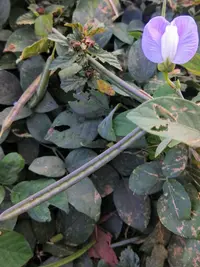
Flor de conchitas, Centrosema pubescens, is a tropical perennial vine in the legume family, valued for its vigorous growth and soil-improving ability. It produces delicate, shell-shaped flowers, usually lilac to pale purple, held on slender stems above divided green foliage.

This species is native to tropical Central and South America but is now widely grown in warm regions as a cover crop and forage plant. It establishes quickly, tolerates pruning, and adapts to a range of soils, which makes it relatively easy to manage.

For those learning how to care for flor de conchitas, it generally prefers warm conditions, moderate moisture, and well-drained soil, plus support to climb or spread effectively.

Main Plant Requirements

Care Difficulty

Easy Care

Light Preference

Full Sun

Water Requirements

Moderate Water

Temperature Preference

Tropical / Frost Sensitive

Hardiness Zone

10–12

Soil Texture

Sandy, Loamy, Organic-rich

Soil pH

Acidic (5.5–6.5), Slightly acidic (6.5–7.0)

Soil Drainage

Well-drained

Fertilization

Minimal (feed rarely)

Get Personalized Care Plan

Scan your plant to receive care tips personalized for your specific plant

Available on iOS and Android

How to Care for the flor de conchitas

Centrosema pubescens thrives in bright outdoor conditions with warm, stable light levels.

  • Provide 6–8 hours of sun, ideally with morning sun and light afternoon shade, which suits flor de conchitas in warm climates.
  • Allow partial shade (3–4 hours direct sun) in hotter regions to reduce leaf scorch and flower drop.
  • Avoid deep shade, which causes weak, tangled vines and poor flowering; in short winter days, favor the sunniest, south- or west-facing exposure available.

Centrosema pubescens prefers evenly moist but never waterlogged soil.

  • Water when the top 3–5 cm of soil feels dry and the surface looks lighter in color, rather than on a fixed schedule.
  • Use well-drained soil or a sloped site so excess water can run off, reducing root rot, yellowing leaves, and soft stems from overwatering.
  • In cooler seasons, allow slightly deeper drying between waterings; in hot, windy weather, check soil more often for curling leaves and dry, hard soil as signs of thirst.

This vine performs best in warm, frost-free conditions typical of tropical and subtropical areas.

  • Aim for 70–86°F (21–30°C) for active growth, when stems extend quickly and flowering is most reliable.
  • Protect the plant when temperatures drop near 50°F (10°C), since growth slows and foliage may yellow; it is usually damaged or killed by frost below 32°F (0°C).
  • In hot spells above 95°F (35°C), provide soil mulch and some afternoon shade to limit heat stress, leaf scorch, and flower bud drop.

This species handles a wide humidity range but benefits from moderate ambient moisture.

  • Aim for 40–60% humidity, which is typical of many outdoor and bright-ventilated porch conditions.
  • Plants tolerate short dry-air spells, but prolonged humidity below 30% may slow growth and increase leaf yellowing.
  • If air is very dry, group plants, place containers on pebble trays with water below pot bases, or mist foliage lightly in the morning.

Centrosema pubescens prefers well-drained, moderately fertile soil that stays aerated around the roots.

  • Use a loamy or sandy-loam soil with 20–30% coarse material such as perlite or sharp sand to prevent waterlogging.
  • In containers, mix roughly 2 parts all-purpose potting mix with 1 part compost and 1 part perlite for structure and drainage.
  • Target a slightly acidic to neutral pH around 6.0–7.0, avoiding strongly acidic or saline soils that restrict root function.
  • Improve heavy clay by incorporating coarse sand and organic matter to increase pore space and reduce standing water.

This vining species can be grown successfully in containers if stability and drainage are managed carefully.

  • Choose a pot at least 30 cm deep so the taproot can extend without circling tightly near the base.
  • Use a heavy, wide container or weight the base to prevent tipping as stems climb or trail over the rim.
  • Position a sturdy trellis or rail attachment directly in the container so climbing shoots anchor without pulling the pot sideways.

Centrosema pubescens responds well to light feeding in poor soils but often needs no fertilizer in fertile ground.

  • Use a balanced liquid NPK fertilizer at 1/2 strength or well-rotted compost during the main growing season.
  • Feed every 4–6 weeks in low-fertility soils if flowering or foliage density declines.
  • Avoid high-nitrogen products that push excessive leafy growth at the expense of blooms in flor de conchitas.
  • Stop fertilizing in late fall and withhold nutrients through winter or dry dormancy periods.

Pruning Centrosema pubescens helps control its vigorous vining habit and maintain flowering performance.

  • Carry out main pruning in late winter or early spring before strong new growth starts.
  • Remove dead, diseased, or storm-damaged stems first, then thin congested or tangled shoots.
  • Shorten overly long vines to maintain the desired spread and encourage branching with more flowering sites.
  • Use sharp, clean hand pruners and make angled cuts just above a healthy bud or side shoot.

This vigorous vine is usually grown in the ground, so management focuses on transplanting rather than frequent repotting.

  • Transplant in late spring or early summer once soil is warm and frost risk has passed.
  • Move plants when growth slows, roots circle the container, or the root ball dries out very quickly.
  • Space transplants where they can climb or trail freely, using a trellis, fence, or shrub support.
  • Water deeply before and after transplanting, keep soil evenly moist for 1–2 weeks, and shade temporarily to limit transplant shock.

Centrosema pubescens is commonly propagated by seed and soft to semi-ripe stem cuttings.

  • Sow fresh seeds in spring in a warm, bright place, using a free-draining seed mix kept evenly moist.
  • Scarify hard seed coats lightly with sandpaper or soak seeds 12–24 hours to improve germination.
  • Root 8–12 cm cuttings in late spring or summer in moist, airy medium under high humidity and bright, indirect light.
  • Label mother plants to keep track of vigorous, disease-free stock for future propagation.

This tropical to subtropical vine has low frost tolerance and needs protection in regions with cold winters.

  • In USDA zones colder than 9–10, grow in containers and move indoors or into a heated greenhouse before first frost.
  • Maintain indoor temperatures above 55°F and provide as much light as possible during winter.
  • In mild climates, apply a 5–8 cm organic mulch layer around the base to insulate roots from brief cold spells.

Care Tips

Provide climbing support

Install a sturdy trellis, fence, or wire mesh before planting so the vine can latch on early, which reduces stem breakage and keeps flowering wood well exposed to light.

Use rotational cutting

Every 2–3 years, remove a portion of the oldest, woody stems at the base during the dry or cool season to stimulate new, more floriferous growth without shocking the entire plant.

Inoculate with rhizobia

When establishing new plants in previously unfarmed or container media, mix a compatible rhizobium inoculant into the root zone to improve nitrogen fixation and overall vigor.

Plan for controlled spread

Border planting areas with a shallow root barrier (15–20 cm deep) or dedicate a contained bed to limit lateral spread, especially in warm climates where the vine grows vigorously.

Time grazing or cutting

In forage systems, time grazing or mechanical cutting to just before or at early flowering so the plant regrows strongly and maintains a balance between biomass production and persistence when growing flor de conchitas.

Common Pests and Diseases

Pod borers

This pest attacks developing flower buds and pods, boring inside and feeding on seeds, which reduces pod set and seed quality. Symptoms include small entry holes, frass, and premature pod yellowing or drop.

Solution

Handpick and destroy infested pods where practical, and remove plant debris after flowering to reduce carryover of larvae and pupae. Encourage natural enemies by avoiding broad-spectrum insecticides, and if pressure is high, use a targeted biological product containing Bacillus thuringiensis (Bt) on young pods according to label directions.

Bean beetles

These insects chew on leaves and sometimes flowers, creating irregular holes and skeletonized areas that can reduce photosynthesis and flowering. This pest often builds up on Centrosema grown near other legumes in warm weather.

Solution

Inspect foliage regularly and handpick adults and larvae into soapy water when populations are low. For heavier infestations, use a pyrethrin-based or neem oil product in the evening, coating the undersides of leaves, and repeat as needed while also removing nearby legume weeds that can host beetles.

Leaf spots

This disease causes small brown, tan, or purplish lesions on leaves that may merge into larger blotches, leading to early leaf drop in wet or humid conditions. Symptoms include spots often surrounded by a slightly darker or yellow halo.

Solution

Remove and discard heavily spotted leaves and any fallen foliage to lower the source of infection, and avoid overhead watering to keep foliage dry. Improve air circulation around vines with proper spacing, and if disease persists in very wet periods, apply a copper- or chlorothalonil-based fungicide labeled for legumes, following all safety directions.

Anthracnose

This disease produces dark, sunken lesions on stems, petioles, and pods, sometimes girdling young shoots and reducing flowering and seed production. Symptoms include elongated, dark streaks that may ooze under very moist conditions.

Solution

Prune and dispose of infected stems and pods promptly, and avoid working with plants when foliage is wet to prevent spread. Use clean seed, rotate away from other legumes if grown in the ground, and in severe, recurring cases apply a preventive fungicide labeled for anthracnose on legumes at the start of warm, wet periods.

Root-knot nematodes

These microscopic roundworms attack roots, causing galls or swellings that interfere with water and nutrient uptake, often leading to stunting and poor regrowth after cutting. Symptoms include general yellowing and weak growth even when soil fertility appears adequate.

Solution

Uproot a sample plant to confirm galled roots and remove heavily affected plants, disposing of them away from beds. Improve soil organic matter, rotate with non-host grasses, and in small plantings solarize soil with clear plastic during the hottest months to reduce nematode populations and support healthier Centrosema pubescens plant care over time.

Interesting Facts

Natural nitrogen fixer

This species forms nodules on its roots with Rhizobium bacteria, which convert atmospheric nitrogen into a form usable by plants and help improve poor tropical soils when used as a cover crop or forage legume.

Shade-tolerant forage vine

It is widely grown in humid tropical regions as a perennial forage plant because its twining vines and deep root system tolerate shade, grazing, and periodic cutting better than many other tropical legumes.

Distinctive inverted flowers

Its purple to lilac pea-like flowers are resupinate, meaning they twist so that the standard petal ends up at the bottom, giving the blossom a distinctive upside-down appearance compared with many other legumes.

Botan icon

Did you know?

This species has become naturalized and sometimes invasive outside its native range in tropical regions, where its vigorous twining growth can spread rapidly along roadsides, disturbed land, and forest margins, competing with local vegetation.

FAQs about flor de conchitas

This species can spread quickly by seed and stems in warm, frost-free climates, especially in pastures or open areas. In managed gardens, control spread by regular trimming, removing seed pods, and avoiding planting near natural areas.

Grow Healthy Plants with Botan Care

Keep your plants happy and healthy with plant identification, disease detection, and easy care guidance.

Botan plant care app — identify plants on mobile

Explore More Plants