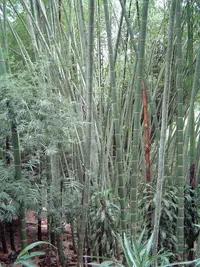
common bamboo Care (Bambusa vulgaris)

Also known as: golden bamboo, stripe bamboo, painted bamboo
common bamboo

About common bamboo

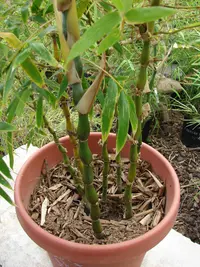
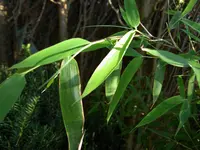
Common bamboo, Bambusa vulgaris, is a fast-growing clumping bamboo widely used as an ornamental and screening plant in warm climates. It produces tall, upright, woody canes with lush, narrow leaves that form a dense, vertical thicket.

This species is native to tropical regions of Asia but is now widely cultivated in many subtropical and tropical areas worldwide. It is considered relatively easy to grow where winters are mild, responding well to regular moisture, sun to light shade, and well-drained soil.

For gardeners learning how to care for common bamboo, its vigorous growth and tolerance of pruning make it suitable for hedges, windbreaks, and large containers in outdoor spaces.

Main Plant Requirements

Care Difficulty

Moderate Care

Light Preference

Full Sun

Water Requirements

Regular Water

Temperature Preference

Tropical / Frost Sensitive

Hardiness Zone

9–11

Soil Texture

Loamy, Sandy, Organic-rich

Soil pH

Acidic (5.5–6.5), Slightly acidic (6.5–7.0)

Soil Drainage

Moist but well-drained

Fertilization

Light (every 4–6 weeks)

Get Personalized Care Plan

Scan your plant to receive care tips personalized for your specific plant

Available on iOS and Android

How to Care for the common bamboo

This fast-growing bamboo prefers bright, warm exposure with some protection from harsh afternoon sun.

  • Provide 4–6 hours of direct morning sun plus bright, filtered light the rest of the day for strong culm and leaf development.
  • Tolerates light to partial shade, but in dense shade shoots become weak, sparse, and more prone to leaning or breakage.
  • In hot summers, shield from intense sun between 1–4 p.m. to reduce leaf scorch; in winter, maximize light by avoiding heavy overhead shade from structures or trees.

This species prefers consistently moist, not saturated, soil to support rapid woody growth.

  • Check soil moisture by hand; water when the top 3–5 cm feels slightly dry, aiming for evenly damp soil down to at least 10–15 cm depth.
  • Use deep, infrequent watering rather than light splashes; yellowing leaves and soft culms suggest overwatering, while curling or folding leaves signal underwatering.
  • In hot, windy periods increase frequency, especially on sandy or sloped sites; in cool or rainy seasons reduce watering to prevent root rot in Bambusa vulgaris.

Strong growth occurs in warm, frost-free conditions with only moderate temperature swings.

  • Optimal growth is around 70–90°F (21–32°C); plants stay active and produce new culms most reliably in this range.
  • Tolerates brief drops to about 30–32°F (-1–0°C) but suffers leaf damage and dieback with repeated frosts or hard freezes below 28°F (-2°C).
  • Handles summer heat up to about 100°F (38°C) if soil moisture is stable; in colder regions, site in a sheltered microclimate to reduce windchill and cold stress.

This species prefers moderate to high humidity and reacts if air stays very dry.

  • Aim for 50–70% humidity; outdoor plants usually get this naturally, but indoor or covered specimens may need monitoring.
  • Dry tips, curling leaves, and slowed shoot growth indicate humidity stress rather than underwatering alone.
  • Increase humidity by grouping plants, using nearby water trays or mulched soil surfaces, and reducing hot, drying winds around common bamboo.

This bamboo thrives in moist, aerated, nutrient-rich soil with reliable drainage.

  • Use a loamy mix with high organic matter, such as garden loam blended with compost and fine bark, to support fast rhizome growth.
  • Ensure drainage remains steady by avoiding heavy, compacted clay; add coarse sand or small bark chips to open the structure.
  • Target a slightly acidic to neutral pH around 6.0–7.0, which supports nutrient uptake and healthy culm development in Bambusa vulgaris.
  • Avoid waterlogged or constantly saturated sites; raised beds or mounded planting improve aeration where natural drainage is slow.

This species can grow in large containers, but only with careful stability and moisture control.

  • Choose a wide, heavy container to counterbalance tall, wind-catching culms and reduce tipping risk in exposed sites.
  • Use thick-walled pots, such as sturdy plastic or glazed ceramic, to slow moisture loss while still allowing the top layer to dry slightly between waterings.
  • Elevate the container slightly off the ground so drainage holes stay clear and excess water escapes instead of pooling under the base.

Bambusa vulgaris responds well to moderate feeding during its active growing season.

  • Use a balanced slow-release fertilizer (such as 10-10-10) or well-rotted compost applied around the root zone in spring.
  • Feed every 4–6 weeks during warm growth, keeping granules or solution off the culms and leaves.
  • Dilute liquid fertilizers to 1/2 strength to avoid salt buildup and root burn, especially in containers.
  • Reduce or stop feeding in late fall and winter when growth slows, as many trees and wild plants grow well with minimal inputs.

Pruning supports healthy structure and manageable size for Bambusa vulgaris.

  • Carry out main pruning in late winter or early spring before strong new shoots appear.
  • Remove dead, damaged, crossing, or heavily crowded culms at ground level using clean, sharp loppers or a pruning saw.
  • Thin the interior selectively to improve light and air movement while preserving the natural clumping form.
  • Shorten or remove overly tall or leaning culms to control spread and maintain safe, accessible pathways.

Transplanting or container shifting keeps this vigorous bamboo manageable and healthy.

  • Look for roots circling the pot, water running straight through, or slowed growth as signs a container-grown clump needs more space.
  • Plan major transplanting for late winter or early spring when temperatures are mild and new shoots are just starting.
  • Expect to shift or divide container plants every 2–3 years, moving into a slightly larger pot with well-drained, rich soil.
  • Water deeply before and after transplanting, keep roots shaded, and trim damaged roots lightly to reduce stress and improve establishment.

Vegetative propagation is the standard method for increasing Bambusa vulgaris plants.

  • Use division or culm cuttings rather than seed, which is rarely available and often slow to germinate.
  • Divide established clumps in late winter or early spring, keeping 3–5 healthy culms and a solid root mass per division.
  • Plant divisions or cuttings into moist, well-drained soil, and provide bright shade, high humidity, and steady warmth for rooting.
  • Water consistently but avoid waterlogging, and stake taller culms so new roots can form without mechanical stress.

This bamboo is frost-sensitive and benefits from targeted winter protection in cooler climates.

  • In regions with freezes, apply a 5–10 cm mulch layer over the root zone to buffer temperature swings.
  • Wrap exposed clumps with breathable fabric or burlap to reduce leaf and culm damage from freezing winds.
  • Move container-grown plants into a sheltered spot or bright, cool indoor area when temperatures drop near 32°F.

Care Tips

Control Running Spread

Install a 24–30 in deep root barrier or plant in large bottomless containers sunk into the ground to prevent clumps from spreading into lawn or neighboring beds.

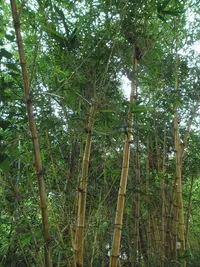
Wind And Lean Support

In exposed sites, stake young culms with soft ties on the windward side and gradually loosen them over 1–2 seasons to encourage upright, stable growth.

Culm Thinning Routine

Once a year, remove the oldest, weak, or crossing culms at ground level with clean, sharp loppers to maintain air flow, reduce pest pressure, and direct energy into newer, stronger shoots.

Mulch For Shoot Protection

Keep a 5–8 cm layer of coarse organic mulch over the root zone to protect young shoots from mechanical damage, buffer soil temperature, and conserve moisture.

Segmented Harvesting

When cutting culms for stakes or crafts, harvest no more than 25–30% of mature, 3+ year-old canes from each clump and cut just above a node to maintain structural balance and long-term vigor when growing common bamboo.

Common Pests and Diseases

Bamboo aphids

This pest feeds on young culms and leaves, sucking sap and causing yellowing, curling, and sticky honeydew that can lead to sooty mold.

Solution

Prune and destroy heavily infested shoots, then hose down remaining foliage with a strong stream of water to dislodge insects; follow with applications of insecticidal soap or neem oil, focusing on new growth and leaf undersides, and reduce excess nitrogen fertilization that encourages soft, aphid-prone tissue.

Bamboo mites

These insects live on the underside of leaves, causing pale stippling, bronzing, and eventual leaf drop, especially in warm, dry conditions.

Solution

Remove and dispose of heavily damaged leaves, increase humidity slightly, then spray the undersides of leaves with a miticidal soap or horticultural oil at 7–10 day intervals, ensuring thorough coverage and avoiding treatment during high heat or direct midday sun.

Bamboo borers

This pest tunnels into culms, leaving small round entry holes, frass, and gradual dieback or structural weakness in affected canes.

Solution

Cut out and destroy all infested culms below the lowest visible hole, seal large pruning cuts, keep the clump vigorous with balanced fertilization and adequate water, and avoid leaving cut culms or dead canes on site, since these attract and shelter borers.

Bamboo leaf rust

This disease causes yellow to orange-brown pustules on leaves that may coalesce, leading to premature leaf drop and thinning foliage.

Solution

Prune and discard infected leaves and lightly thin the clump to improve airflow, then water only at soil level, and if rust persists on new growth, apply a labeled copper or sulfur fungicide, rotating products and treating at the first sign of new lesions.

Bamboo blight

This disease produces dark, sunken lesions on culms and branches, often accompanied by dieback of shoots and thinning of the clump, especially under prolonged wet conditions.

Solution

Remove and destroy blighted culms and branches back to healthy tissue, disinfecting tools between cuts, then open the planting for better light and airflow, avoid overhead watering, and in severe or recurring cases use a systemic fungicide labeled for canker or blight on woody ornamentals as part of a broader Bambusa vulgaris plant care program.

Interesting Facts

Fast clumping growth

This species forms large, dense clumps and can produce new culms rapidly in warm climates, making it one of the most vigorous tropical bamboos used in landscaping and erosion control.

Distinct yellow cultivar

A widely grown form, Bambusa vulgaris f. vittata, has bright yellow culms with green stripes and is prized as an ornamental plant in tropical gardens and parks.

Traditional material uses

In many tropical regions, its thick-walled culms are commonly used for scaffolding, simple structures, woven products, and musical instruments due to their strength and relatively light weight.

Botan icon

Did you know?

In several tropical countries, this species has become so widely planted and naturalized around villages, roadsides, and riverbanks that it now forms semi-wild stands, significantly reshaping local vegetation structure and providing habitat for a range of insects, birds, and small mammals.

FAQs about common bamboo

This species spreads by running rhizomes that can travel several feet from the original clump. In suitable climates it can become difficult to control without barriers, regular root pruning, or planting in large, heavy containers.

Grow Healthy Plants with Botan Care

Keep your plants happy and healthy with plant identification, disease detection, and easy care guidance.

Botan plant care app — identify plants on mobile

Explore More Plants