myrobalan Care (Terminalia chebula)

Also known as: King of Medicine
myrobalan

About myrobalan

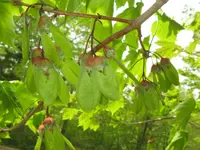
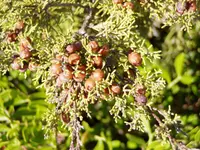
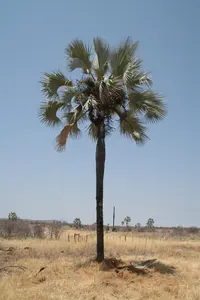
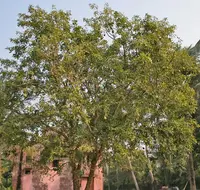
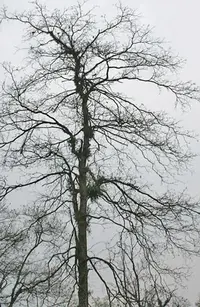
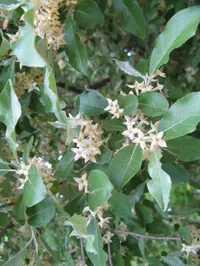
Myrobalan, Terminalia chebula, is a tropical, broadleaf tree known for its small, olive-like fruits and dense, rounded canopy. It grows slowly to moderately and can become a sizeable landscape tree in warm climates.

This species is native to South and Southeast Asia, where it grows in dry to moist forests and foothills. In cultivation it prefers warm temperatures, well-drained soil, and regular but not excessive moisture.

The tree is generally hardy in suitable climates but is sensitive to frost and poor drainage, which can limit where it can be grown. Understanding how to care for myrobalan helps gardeners decide if it fits their local conditions and space.

Main Plant Requirements

Care Difficulty

Moderate Care

Light Preference

Full Sun

Water Requirements

Moderate Water

Temperature Preference

Tropical / Frost Sensitive

Hardiness Zone

11–12

Soil Texture

Sandy, Loamy, Organic-rich

Soil pH

Acidic (5.5–6.5), Slightly acidic (6.5–7.0)

Soil Drainage

Well-drained

Fertilization

Minimal (feed rarely)

Get Personalized Care Plan

Scan your plant to receive care tips personalized for your specific plant

Available on iOS and Android

How to Care for the myrobalan

This tree prefers bright, warm conditions with steady sun exposure throughout the day.

  • Provide 6–8 hours of direct sun daily, ideally with morning sun and some light afternoon shade in very hot, dry climates, especially for young myrobalan trees.
  • It tolerates light partial shade (around 4–5 hours of direct sun), but growth may be slower and the canopy more open and sparse.
  • In summer, monitor for leaf scorch on exposed western sides; in cooler seasons, ensure trees are not shaded by buildings or taller vegetation.

This species prefers evenly moist but not saturated soil once established in the ground.

  • Water when the top 3–5 cm of soil feels dry, applying a deep soak that moistens the root zone rather than frequent shallow splashes.
  • During hot, dry seasons increase watering frequency, while in cool or rainy periods reduce it to avoid soggy conditions and root rot in Terminalia chebula.
  • Watch for yellowing, soft leaves or cracking bark near the base as overwatering signs, and for drooping, crisp leaf edges as an indication of underwatering.

This tropical tree requires warm conditions and does not tolerate frost.

  • Aim for 70–90°F (21–32°C) during the main growing season for strong shoot and root development.
  • Protect the plant when temperatures drop near 40°F (4–5°C); prolonged exposure below 35°F (1–2°C) can cause serious damage or death.
  • The tree handles short heat waves up to about 100°F (38°C) if soil moisture is adequate, but young plants benefit from mulch and some afternoon shade in extreme heat.

This species tolerates a broad humidity range but grows best with moderately humid air.

  • Aim for 40–60% humidity, which suits both young plants and established myrobalan trees in containers.
  • It copes with short dry spells, but prolonged air below 30% can cause leaf edge browning and curling.
  • Increase humidity with grouped plants, a nearby open-water tray, or occasional fine misting in very dry indoor air.

Terminalia chebula prefers deep, well-drained mineral soils that still retain some moisture.

  • Use a mix of 40% sandy loam, 40% compost, and 20% coarse material such as perlite or small grit for drainage and aeration.
  • Keep pH slightly acidic to neutral, around 6.0–7.0, avoiding strongly acidic or saline conditions that restrict root function.
  • Ensure water runs freely through the profile; avoid compacted, heavy clay where water pools around the root zone.
  • In very dense native soil, raise the planting area or incorporate coarse sand and organic matter to prevent waterlogging and improve oxygen around roots.

This species can be grown in containers when given adequate root space and stable support.

  • Choose a deep, heavy pot to balance the developing woody canopy and reduce tipping in strong wind.
  • Select a container material that slightly insulates roots, such as thick-walled clay or wood, to buffer temperature swings.
  • Elevate the pot on feet or bricks so large drainage holes stay clear and excess water exits quickly after heavy watering or rain.

Terminalia chebula grows in poor soils but responds to light, balanced feeding in cultivation.

  • Use a balanced NPK granular or slow-release fertilizer at half strength at the start of the warm growing season.
  • Top-dress with well-rotted compost once a year to support soil life rather than force rapid growth.
  • Feed young trees every 6–8 weeks in the growing season; skip or greatly reduce feeding in winter dormancy.
  • Avoid high-salt or heavy nitrogen products, and always water well after application to limit root burn when caring for myrobalan.

Terminalia chebula benefits from occasional structural pruning to maintain a healthy, open canopy.

  • Carry out main pruning in late winter or early spring before vigorous new growth starts.
  • Remove dead, diseased, crossing, or storm-damaged branches first, cutting back to healthy wood.
  • Thin crowded inner branches to improve light penetration and airflow, reducing fungal disease risk.
  • Use sharp, clean bypass pruners or a pruning saw and make smooth cuts just outside the branch collar.

This species is usually grown in the ground, so focus on careful transplanting of young Terminalia chebula trees.

  • Transplant in late spring or early summer when soils are warm and the plant is actively growing.
  • Look for roots circling the container or emerging from drainage holes as a sign the tree has outgrown its pot.
  • Shift young trees to a hole or container 1–2 sizes larger every 2–3 years, using well-drained, slightly sandy soil.
  • Water thoroughly before and after moving, handle the root ball gently, and shade the tree for 1–2 weeks to reduce transplant shock.

Terminalia chebula is mainly propagated from seed, which requires warmth and patience.

  • Collect fully ripe fruits, clean the seeds, and sow them in late spring in a free-draining, sandy mix.
  • Lightly scarify the hard seed coat or soak seeds in warm water for 12–24 hours to improve germination.
  • Keep the seed tray at 77–86°F with bright, indirect light and consistently moist but not waterlogged media.
  • Semi-ripe stem cuttings can root under high humidity and bottom heat, though success is less reliable than with seeds.

Terminalia chebula is a tropical to subtropical tree that needs protection in regions with frost.

  • Plant in the warmest, most sheltered microclimate available in marginal climates.
  • Mulch the root zone with 5–8 cm of organic material to buffer soil temperature fluctuations.
  • Wrap young trunks with breathable horticultural fleece during cold snaps to reduce freezing injury.
  • Move container-grown trees indoors or into a heated greenhouse before temperatures drop near 40°F.

Care Tips

Early trunk training

In the first 3–4 years, stake the young tree and loosely tie the main stem to create a straight, wind-resistant trunk, checking ties every few months so they do not cut into the bark.

Strong framework pruning

During late winter, select 3–5 well-spaced primary branches and remove steep, crossing, or duplicated shoots to build an open, balanced canopy that improves airflow and reduces fungal issues as the tree matures.

Mulch management ring

Maintain a 5–10 cm deep organic mulch ring that extends at least to the drip line but keep it 5–8 cm away from the trunk to conserve moisture and prevent bark rot.

Deep root encouragement

Once established, water less often but for longer sessions so moisture reaches 30–45 cm deep, which encourages a deeper root system and better drought tolerance when growing myrobalan.

Wind and sun acclimation

Before planting out from containers, gradually expose young plants over 10–14 days to stronger sun and wind so foliage and stems toughen and suffer less transplant shock.

Common Pests and Diseases

leaf blotch

This disease causes irregular brown to dark-brown spots on leaves that may coalesce, leading to blighted areas and premature leaf drop. Symptoms include more severe spotting in warm, humid weather or on crowded trees.

Solution

Prune to open the canopy and improve airflow, remove and destroy heavily spotted fallen leaves, and avoid overhead watering that keeps foliage wet. In plantations or high-value trees, a copper-based fungicide or chlorothalonil spray at the start of the rainy period can reduce new infections when applied according to label directions.

powdery mildew

This disease appears as white to gray powdery growth on young leaves, shoots, and sometimes fruits, leading to curling, distortion, and reduced growth. Symptoms include more intense infection during warm days with relatively dry air but high humidity at night.

Solution

Improve air circulation by thoughtful pruning, avoid dense shade, and remove heavily infected shoots before they sporulate. Where powdery mildew is persistent, apply sulfur-based or potassium bicarbonate fungicides at the first sign of white growth, repeating as needed within label intervals, and avoid excess nitrogen that promotes soft, susceptible foliage.

leaf gall

This disease causes swollen, thickened, or blister-like growths on leaves and young shoots, often green to pale or corky, which can deform foliage and reduce photosynthesis. Symptoms include scattered galls that may increase after prolonged humid or rainy periods.

Solution

Prune and destroy galled shoots and leaves as soon as they are noticed to reduce the source of fungal spores. Maintain good spacing and canopy openness, avoid overhead irrigation, and in plantation settings consider a preventive fungicide spray at the onset of the rainy season if galling recurs severely year after year.

fruit borer

This pest is caused by moth larvae that bore into developing fruits, feeding on the seeds and pulp and leading to premature fruit drop and reduced seed quality. Symptoms include small entry holes, frass (sawdust-like droppings), and hollowed or malformed fruits.

Solution

Collect and destroy fallen and visibly damaged fruits regularly to break the life cycle, and remove volunteer seedlings that may harbor larvae. Light traps, pheromone traps, and timely releases of biological control agents such as Trichogramma wasps can help suppress populations in orchards, while bagging selected fruits or netting small trees provides physical protection where practical.

bark-boring beetles

These insects tunnel into the bark and outer wood of stems or branches, creating small round entry holes, fine boring dust, and sometimes branch dieback. This pest is more common in weakened or drought-stressed trees and can open pathways for secondary infections.

Solution

Improve overall tree vigor with appropriate watering, mulching, and balanced fertilization, and promptly prune and destroy infested branches showing fresh holes and frass. Avoid wounding the trunk, keep the area around the base clean, and in orchard or timber situations consider using pheromone traps and preventive trunk sprays with targeted insecticides only when monitoring confirms high beetle activity.

Interesting Facts

Wide Himalayan range

This species occurs naturally from the lower Himalayas of India and Nepal through Bhutan to parts of Southeast Asia, showing strong adaptation to both dry and moist tropical forests.

Long-lived canopy tree

In native forests it can reach 20–30 m in height and develop a broad, dense crown, often forming part of the upper canopy layer in mixed deciduous forests.

Distinctive ribbed fruit

Its drupes are yellow to brown when mature and typically show 5 distinct longitudinal ridges, which are a key feature used by botanists to identify the species.

Botan icon

Did you know?

Archaeobotanical and historical records suggest that this species has been used and traded across South and Southeast Asia for over a thousand years, making it one of the region’s long-documented multipurpose forest trees.

FAQs about myrobalan

Container growing is possible when using a deep, heavy pot, at least 50–60 cm wide, with good drainage. Root growth is strong, so up-pot gradually and prune roots and canopy periodically to prevent the tree becoming unstable or stressed.

Grow Healthy Plants with Botan Care

Keep your plants happy and healthy with plant identification, disease detection, and easy care guidance.

Botan plant care app — identify plants on mobile

Explore More Plants