cushaw pumpkin Care (Cucurbita argyrosperma)

Also known as: Japanese pie pumpkin, silver-seed gourd
cushaw pumpkin

About cushaw pumpkin

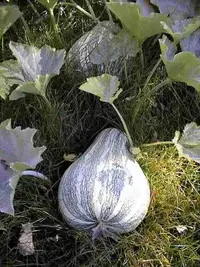
Cushaw pumpkin, Cucurbita argyrosperma, is a vigorous warm-season squash grown mainly for its elongated, club-shaped fruits with thick necks and mottled green or striped skin. The vines are sprawling and fast-growing, often covering large areas and producing large, lobed leaves and yellow flowers.

This species originated in Mexico and Central America and is now widely cultivated in home gardens and small farms across warmer regions of the United States. It is generally easy to grow, as long as it has warmth, full sun, room to spread, and well-drained, fertile soil. Gardeners who learn how to care for cushaw pumpkin usually appreciate its resilience, good storage quality, and versatility in the kitchen.

Main Plant Requirements

Care Difficulty

Moderate Care

Light Preference

Full Sun

Water Requirements

Regular Water

Temperature Preference

Tropical / Frost Sensitive

Hardiness Zone

3–10

Soil Texture

Sandy, Loamy, Organic-rich

Soil pH

Acidic (5.5–6.5), Slightly acidic (6.5–7.0)

Soil Drainage

Moist but well-drained

Fertilization

Moderate (every 2–4 weeks)

Get Personalized Care Plan

Scan your plant to receive care tips personalized for your specific plant

Available on iOS and Android

How to Care for the cushaw pumpkin

This species needs strong sun to build vigorous vines and mature fruit reliably.

  • Provide 6–8 hours of direct sun daily; in hot regions, aim for full morning sun with light afternoon shade after 2–3 pm.
  • Plants tolerate light partial shade, but cushaw pumpkin yields fewer, smaller fruits and ripens later when sun falls below 5 hours.
  • Watch for pale, leggy growth as a sign of insufficient light and for scorched, crispy leaves during extreme heat; use mulch and temporary shade cloth in midsummer if needed.

Cucurbita argyrosperma prefers consistent soil moisture without prolonged saturation.

  • Water when the top 3–5 cm of soil feels dry, giving a deep soak at the base so moisture reaches the full root zone.
  • Use well-drained soil or raised rows to prevent standing water; yellowing, limp foliage with wet soil suggests overwatering and possible root rot.
  • In hot, dry weather, expect more frequent watering, while in cooler or rainy periods reduce watering; dull, wilting leaves with dry soil indicate underwatering.

This warm-season squash performs best in consistently mild to hot conditions without frost exposure.

  • Optimal growth occurs at 70–90°F (21–32°C); seeds and young plants struggle below 60°F (16°C).
  • Protect plants from any frost, since tissue damage starts near 32°F (0°C); growth slows markedly under 55°F (13°C).
  • Mature vines tolerate short spikes to 95–100°F (35–38°C) if soil moisture is steady and roots are mulched, but extreme heat can reduce flowering and fruit set.

Humidity is rarely a concern for this species in typical outdoor conditions.

This species prefers deep, loose, fertile soil that drains freely yet retains some moisture.

  • Use a loamy or sandy-loam soil enriched with 25–40% well-rotted compost to support vigorous vine and fruit growth.
  • Aim for slightly acidic to neutral pH, around 6.0–7.0, which suits Cucurbita argyrosperma nutrient uptake.
  • Improve drainage and aeration in heavy clay by incorporating coarse sand or fine bark plus compost through the top 20–30 cm.
  • Avoid compacted, waterlogged, or very shallow soils, which restrict rooting and increase risk of rot and nutrient deficiencies.

This species can be grown in large containers, but only with careful attention to support and root volume.

  • Choose a container at least 50–60 cm wide and deep to give the extensive root system space to anchor and access moisture.
  • Use a heavy, stable pot material or weight the base to prevent tipping as vines sprawl and fruits develop on one side.
  • Train vines along a ground surface or sturdy nearby support instead of letting them hang from the pot rim, which can destabilize the container.

Cucurbita argyrosperma is a vigorous feeder that responds well to moderate, consistent nutrition through the growing season.

  • Before planting, mix mature compost into the top 15–20 cm of soil to build baseline fertility and improve structure.
  • During active growth, apply a balanced NPK fertilizer (such as 10-10-10) every 3–4 weeks at half label strength.
  • Use a slow-release granular product at planting in poor soils to support sustained growth of cushaw pumpkin vines.
  • From late fall and winter, stop feeding, as annual plants have completed their life cycle and additional fertilizer is unnecessary.

Pruning Cucurbita argyrosperma is mainly used to manage vine spread, improve fruit quality, and maintain plant health.

  • In mid to late summer, trim excessively long runners to focus energy on setting and maturing fruits.
  • Remove dead, yellowing, or insect-damaged leaves with clean, sharp pruning shears to limit disease spread.
  • Thin crowded shoots around developing fruits to improve air movement and sun exposure to the foliage.
  • Snip off surplus small fruits, leaving 2–4 per vigorous vine, to increase size and quality of remaining pumpkins.

Cucurbita argyrosperma is usually transplanted from biodegradable pots or cell trays into open ground rather than kept long term in containers.

  • Transplant seedlings outdoors after danger of frost, once soil reaches about 60–65°F and plants have 2–3 true leaves.
  • If roots circle the plug or tray cell, transplant promptly to prevent stunting and reduce transplant shock.
  • Handle root balls gently, disturbing roots as little as possible, and water thoroughly to settle soil around them.
  • Space plants generously in well-drained, fertile soil so roots can expand without the need for later repotting or division.

Cucurbita argyrosperma is almost always propagated from seed, as it is an annual vine with a single-season life cycle.

  • Sow seeds indoors 2–3 weeks before the last frost or directly outdoors after soil warms to at least 60°F.
  • Use a loose, well-drained seed-starting mix and plant seeds 2–3 cm deep, keeping moisture even but not waterlogged.
  • Maintain 70–85°F for germination and provide strong light to produce stocky, compact seedlings.
  • Isolate plants of different squash varieties if saving seed, since cross-pollination can change fruit characteristics.

Cucurbita argyrosperma is frost-sensitive and grown as a warm-season annual, so winter care focuses on harvested fruits and seed saving rather than plant survival.

  • Harvest mature fruits before the first hard frost, leaving a short stem attached to reduce rot risk in storage.
  • Cure pumpkins in a dry, warm (75–80°F), well-ventilated place for 10–14 days before long-term storage.
  • Store cured fruits at 50–55°F with moderate humidity, checking periodically and discarding any that soften or mold.
  • After plant death from frost, remove and compost healthy vines while discarding diseased material to limit future problems.

Care Tips

Early vine training

As vines reach 30–45 cm, gently guide them along a planned direction or trellis so later heavy fruits sit on open ground or supported slings instead of crowding or shading each other.

Targeted fruit thinning

Once several young fruits have set and reached about 5–7 cm, remove weaker or poorly placed ones so 2–4 strong fruits per plant receive more carbohydrates and reach better size and quality.

Under-fruit support

When fruits start to gain weight, slide a board, brick, or thick mulch pad under each one to keep the rind dry, reduce rot, and discourage soil-dwelling pests from chewing the underside.

Preventive vine borer checks

From early summer, inspect lower stems weekly for small entry holes or frass (sawdust-like excrement) and, if found, slit the stem lengthwise with a clean knife to remove larvae, then mound soil over the wounded section to encourage new rooting.

Staggered harvest testing

As skins harden and the ground spot turns creamy, test a few fruits at different maturity stages for storage and flavor so future planning for growing cushaw pumpkin can target the harvest window that best matches your kitchen and storage conditions.

Common Pests and Diseases

Squash vine borer

This pest tunnels inside stems, causing sudden wilting and collapse of vines, especially in mid to late summer.

Solution

Remove and destroy wilted vines that show frass (sawdust-like droppings), slit affected stems lengthwise to locate and crush larvae, then mound soil over healthy stem sections to encourage new rooting; in home gardens, use fine mesh row covers until flowering and wrap lower stems with foil or fabric collars to prevent egg‑laying on cushaw plants when trying to grow Cucurbita argyrosperma.

Squash bug

These insects feed on leaves and stems, causing yellow spots that turn brown and crispy, and can transmit secondary diseases.

Solution

Hand-pick adults and nymphs, crush bronze-colored egg clusters on leaf undersides, and remove plant debris where bugs hide; use boards or shingles as traps set on soil overnight, then destroy collected bugs in the morning and consider floating row covers early in the season before flowering to limit infestation.

Downy mildew

This disease causes pale yellow angular spots on upper leaf surfaces and grayish to purplish fuzzy growth on the undersides, leading to rapid leaf decline in humid weather.

Solution

Remove and discard heavily infected leaves, water at soil level in the morning, and increase spacing and airflow; for recurrent problems, use preventive applications of a labeled copper or phosphorous acid fungicide when conditions are cool and humid, rotating products to slow resistance.

Powdery mildew

This disease appears as white, powdery patches on older leaves, which may yellow, curl, and die back, reducing yield late in the season.

Solution

Prune and dispose of the most affected leaves to improve air movement, avoid overhead watering, and keep foliage dry; apply a labeled sulfur, potassium bicarbonate, or horticultural oil product at the first sign of infection, coating both leaf surfaces and repeating as directed during dry, warm periods.

Cucumber beetle

These beetles chew small holes in leaves, scars on fruits, and can vector bacterial wilt, which causes sudden vine collapse.

Solution

Use yellow sticky traps and fine mesh row covers early in the season, removing covers once flowers need pollination; hand-pick beetles in the cool morning, remove nearby wild cucurbit weeds, and, in areas with bacterial wilt, reduce beetle pressure aggressively and rotate cucurbit plantings yearly to decrease disease buildup.

Interesting Facts

Domesticated in Mesoamerica

This squash was domesticated in Mesoamerica thousands of years ago and is one of the traditional crops associated with Indigenous agriculture in Mexico and Central America.

Distinct seed morphology

Its seeds are relatively large, with a thick, pale hull that makes them especially valued for roasting and eating as pepitas in several regional cuisines.

High genetic diversity

Populations of this species show marked genetic and morphological variation, with different local landraces adapted to diverse climates, soils, and culinary uses across its native range.

Botan icon

Did you know?

Archaeobotanical evidence indicates that this species was among the earliest squashes cultivated alongside maize and beans, making it a key component of the traditional Mesoamerican Three Sisters planting system.

FAQs about cushaw pumpkin

Yes, the fruit is edible and used much like winter squash. The flesh works well in pies, purees, soups, and roasting. Young shoots and flowers are also cooked in some cuisines after proper cleaning and preparation.

Grow Healthy Plants with Botan Care

Keep your plants happy and healthy with plant identification, disease detection, and easy care guidance.

Botan plant care app — identify plants on mobile

Explore More Plants