Apple Berry Care (Billardiera scandens)

Also known as: Dumplings
Apple Berry

About Apple Berry

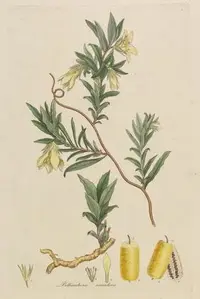
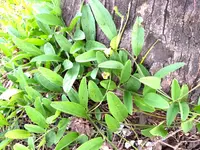
Apple berry, Billardiera scandens, is a slender evergreen climber or scrambling shrub native to woodlands and coastal areas of southeastern Australia. It often twines through nearby plants, producing narrow leaves and pendulous bell-shaped flowers that mature into soft, edible berries. In gardens it is valued for its delicate appearance, moderate growth, and ability to cope with light shade. The plant is generally considered undemanding if given well-drained soil and consistent moisture. Understanding how to care for Apple Berry helps gardeners use it as a light climber, informal groundcover, or understory feature in mild climates.

Main Plant Requirements

Care Difficulty

Moderate Care

Light Preference

Partial Shade

Water Requirements

Moderate Water

Temperature Preference

Warm Climate

Hardiness Zone

8–10

Soil Texture

Sandy, Loamy, Organic-rich

Soil pH

Acidic (5.5–6.5), Slightly acidic (6.5–7.0)

Soil Drainage

Moist but well-drained

Fertilization

Minimal (feed rarely)

Get Personalized Care Plan

Scan your plant to receive care tips personalized for your specific plant

Available on iOS and Android

How to Care for the Apple Berry

This scrambling vine prefers bright, gentle light rather than harsh, direct exposure.

  • Provide 3–5 hours of morning sun with light dappled or filtered shade for the rest of the day, especially in hotter regions.
  • Tolerates partial shade, but in very dense shade flowering and fruiting of Apple Berry decline and stems may become sparse and leggy.
  • Protect from strong midday and afternoon sun, which can scorch foliage; in summer, shift or train plants so they receive only early or late-day sun.

This species prefers steady moisture with brief drying at the surface between waterings.

  • Water when the top 2–3 cm of soil feels dry, allowing deeper soil to stay slightly moist but never saturated.
  • Use freely draining soil and avoid saucers or spots where water pools, since Billardiera scandens is prone to root problems in waterlogged ground.
  • In summer, expect to water more often and watch for drooping or dull leaves as a sign of thirst; in cooler months, reduce watering as growth slows.

This plant grows best in mild, frost-free to light-frost climates.

  • Aim for 60–77°F (16–25°C) for strongest growth and flowering during the main growing season.
  • Tolerates brief drops to about 25°F (−4°C), but repeated hard frosts can damage young stems and new growth.
  • Handles summer heat up to around 90°F (32°C) if soil moisture is maintained and roots are mulched; above this, provide extra shade to limit stress.

This species tolerates a broad humidity range but benefits from moderately moist air.

  • Target 40–60% humidity, which suits most homes and supports steady foliage and flowering on Apple Berry.
  • Leaves curling inward or browning at the edges, especially during hot, dry spells, can indicate humidity stress rather than underwatering.
  • Increase humidity locally by grouping plants, placing the pot on a pebble tray with water below pot level, or growing near other leafy plants.

Billardiera scandens prefers a light, free-draining mix that stays slightly moist but never waterlogged.

  • Use a loamy, sandy mix such as 50% all-purpose potting mix, 30% coarse sand, and 20% compost to balance moisture retention and aeration.
  • Ensure fast drainage by adding perlite or fine bark if the mix feels heavy or clumps when squeezed wet in your hand.
  • Aim for slightly acidic to neutral pH, roughly 6.0–7.0, which supports nutrient uptake without causing micronutrient lockout.
  • Avoid dense clay, constantly soggy spots, or soil with high peat content that stays wet for long periods, as roots are prone to rot in low-oxygen conditions.

This species is very suitable for container growing due to its compact, twining habit.

  • Choose a deep, stable pot that allows roots to run 25–30 cm down, which supports vigorous vine growth without tipping.
  • Select heavier materials like ceramic or clay outdoors, as extra weight helps anchor the container against wind when the vine climbs a support.
  • Position the container so trailing stems or a trellis do not pull one side forward; balancing foliage weight reduces stress on roots and pot edges.

This native vine stays healthy in modest soils, but light feeding improves growth and fruiting of Apple Berry in containers or poor ground.

  • Use a balanced liquid fertilizer (around 10-10-10) at 1/2 strength every 4–6 weeks during spring–summer growth.
  • On plants in the ground, apply a thin layer of compost around the root zone once in spring instead of frequent liquid feeding.
  • For potted plants, a slow-release, balanced granular fertilizer in early spring can provide steady nutrients for 3–4 months.
  • Stop feeding in late fall–winter, allowing the plant to rest and avoiding soft, frost-sensitive growth.

Billardiera scandens benefits from light, strategic pruning to maintain a tidy, flowering vine.

  • Best time to prune is late winter to early spring, before strong new growth begins.
  • Remove dead, damaged, or diseased stems back to healthy tissue using clean, sharp secateurs.
  • Thin out crowded or tangled shoots to increase air flow and light, guiding the vine along its support.
  • Shorten overly long stems after flowering to control size and encourage branching and future blooms.

This vine is often grown in the ground, but container plants or young transplants appreciate careful handling to avoid root stress.

  • Consider transplanting in early spring or early fall, when temperatures are mild and soil is workable.
  • Look for roots circling the pot drainage holes, soil drying very fast, or slowed growth as signs a container plant needs a larger pot.
  • Transplant every 2–3 years into a slightly bigger container or garden spot with free-draining soil and a suitable support.
  • Gently loosen circling roots, keep as much root ball intact as possible, water deeply afterward, and shade for a few days to reduce shock.

New plants are commonly raised from seeds or semi-ripe cuttings of this twining vine.

  • Sow fresh seeds in late winter–spring in a well-drained seed mix, keeping them just moist at 65–75°F for steady germination.
  • Take semi-ripe stem cuttings in late spring–summer, 8–10 cm long, with 2–3 nodes.
  • Remove lower leaves, dip the base in rooting hormone, and place in a coarse, moist, free-draining medium.
  • Provide bright, indirect light, high humidity, and gentle bottom warmth if possible, avoiding waterlogging until roots form.

This plant is moderately cold tolerant in mild climates, but prolonged hard frost can damage top growth.

  • In USDA zones around 8–9, it usually overwinters outdoors with minimal intervention.
  • Apply a 5–8 cm layer of organic mulch around the root zone in late fall, keeping it away from the stems.
  • In colder regions or exposed sites, grow in containers and move to a sheltered porch, unheated greenhouse, or bright indoor spot before hard freezes.

Care Tips

Provide climbing support

Install a fine trellis, wire mesh, or taut garden string early so young stems can twine naturally, preventing tangling and damaged growth later.

Encourage bushier growth

Tip-prune soft, extending shoots by 1–2 leaf nodes in late winter or early spring to encourage side shoots and a denser, more floriferous plant.

Mulch root zone

Apply a 3–5 cm layer of fine bark or leaf mold around the base (kept a few cm from stems) to keep roots cool, conserve moisture, and suppress weeds.

Gentle frost protection

In regions with light frost, cover the base with extra mulch and drape frost cloth over the plant on freezing nights to protect tender new growth.

Monitor berry drop

Place a shallow tray, tarp, or groundcover under fruiting vines to catch fallen berries, which makes harvesting easier and reduces volunteer seedlings when growing Apple Berry outdoors.

Common Pests and Diseases

Myrtle rust

This disease causes bright yellow powdery pustules on young leaves, stems, and sometimes flowers, leading to distortion and dieback. Symptoms include premature leaf drop and reduced vigor, especially in warm, humid conditions.

Solution

Remove and bag affected shoots and leaves promptly and dispose of them in the trash, not in compost. Avoid overhead watering, improve airflow around the plant, and in high‑risk areas follow local guidelines for rust management, which may include using a registered fungicide labeled for myrtle rust on native plants.

Scale insects

These insects appear as small, dome-shaped bumps along stems and leaf undersides, sucking sap and causing yellowing, sooty mold, and general decline. This pest tends to settle along the finer twining stems of apple berry where it is protected from weather and predators.

Solution

Prune and discard heavily infested stems, then gently wipe remaining insects off with a cloth or cotton pad dipped in diluted insecticidal soap or horticultural oil. Inspect twining stems regularly and repeat treatments every 7–10 days until new growth appears clean.

Leaf spot

This disease causes small brown to purplish spots on leaves that can merge into larger blotches, making foliage look patchy and unhealthy. Symptoms include increased spotting after periods of prolonged moisture or poor air circulation.

Solution

Remove and discard affected leaves to reduce disease spread, and thin surrounding vegetation to increase light and airflow. Water at soil level rather than over the foliage, and in persistent cases consider a copper-based fungicide used according to label directions for ornamental vines.

Aphids

These insects cluster on soft new growth, sucking sap and causing curling, distortion, and sticky honeydew on leaves and stems. This pest can be more noticeable on young Billardiera scandens plants and on lush growth produced with high nitrogen fertilization.

Solution

Spray shoots with a firm stream of water to dislodge aphids, then treat remaining colonies with insecticidal soap, ensuring good coverage of leaf undersides and shoot tips. Limit high-nitrogen fertilisers and encourage natural predators such as lady beetles by maintaining plant diversity nearby.

Interesting Facts

Edible vanilla‑scented berries

The ripe berries are sweet, soft, and aromatic, with a vanilla-like scent and flavor, and have long been eaten by Aboriginal Australians as a wild bushfood. Unripe fruits, however, are not considered palatable and should not be eaten.

Climbing by stem twining

This species climbs by twining its flexible stems around nearby supports rather than using tendrils or aerial roots, allowing it to scramble through shrubs and small trees in its native habitats. The twining habit makes it a relatively gentle climber compared with more aggressive vine species.

Flowers change color

The tubular, bell-shaped flowers open greenish to creamy-yellow and often age to purplish tones. This color change is associated with flower age and likely helps pollinators distinguish between fresh and already-visited blooms.

Botan icon

Did you know?

The plant is native to southeastern Australia, where it naturally occurs in forest and woodland edges and has been historically known by common names like apple berry and apple dumpling, reflecting the importance of its fruits as a traditional bushfood resource.

FAQs about Apple Berry

This species is a twining climber that wraps around nearby supports, but it can also scramble through shrubs or along the ground if nothing vertical is available. In small spaces, regular pruning keeps growth controlled and tidy.

Grow Healthy Plants with Botan Care

Keep your plants happy and healthy with plant identification, disease detection, and easy care guidance.

Botan plant care app — identify plants on mobile

Explore More Plants