Provide climbing support
Install a lightweight trellis or horizontal mesh early in the season so vines can be gently tied and directed, which improves light exposure and reduces tangling and breakage.

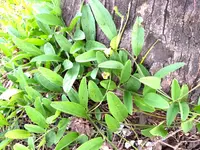
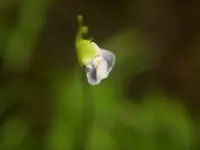
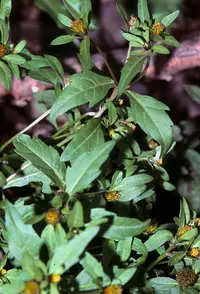
Whitejacket, Aniseia martinicensis, is a fast-growing twining vine in the morning glory family. It is usually grown for its slender stems and small, white, funnel-shaped flowers. In the wild it occurs in tropical and subtropical regions, often in moist fields, ditches, and disturbed sites where it can spread quickly. As an ornamental, it is sometimes used to cover light supports, low fences, or rough ground. The plant grows easily in warm conditions but can become weedy where the climate suits it. Those who care for whitejacket should expect a plant that prefers consistent moisture, sun to light shade, and well-drained soil.

Care Difficulty
Moderate Care

Light Preference
Full Sun

Water Requirements
Regular Water

Temperature Preference
Tropical / Frost Sensitive

Hardiness Zone
10–12

Soil Texture
Sandy, Loamy, Organic-rich

Soil pH
Acidic (5.5–6.5), Slightly acidic (6.5–7.0)

Soil Drainage
Moist but well-drained

Fertilization
Minimal (feed rarely)
Scan your plant to receive care tips personalized for your specific plant
Available on iOS and Android
Aniseia martinicensis grows best in bright, direct sun in warm climates.
Watering should keep the soil consistently moist but never saturated for healthy growth.
This species thrives in warm, frost-free conditions typical of tropical to subtropical climates.
This twining vine manages well in typical indoor humidity but grows best with slightly moist air.
This species prefers light, fast-draining soil that still holds some moisture and organic matter.
This vining species is well suited to container growing outdoors in warm conditions.
Aniseia martinicensis grows fast and benefits from light, consistent nutrition during its warm growing season.
Aniseia martinicensis responds well to light pruning that keeps vines tidy and encourages branching.
This species is usually treated as an annual vine, so transplanting young plants is more common than long-term repotting.
Aniseia martinicensis is most often propagated from seed, with stem cuttings as a secondary option in warm conditions.
This tropical vine is frost-tender and usually grown as a warm-season annual in temperate climates.

Plant Health Check
Not sure what's wrong with your plant? Check your plant's health inside the app.
This species is a twining vine that naturally colonizes seasonally flooded wetlands, paddy fields, and ditch margins, showing a strong preference for saturated or waterlogged soils compared with many other morning glory relatives.
In parts of tropical Asia and the Caribbean, its young shoots and leaves are traditionally harvested and eaten cooked as a leafy green, often used similarly to water spinach, though it is less commonly cultivated on a large scale.
The plant often appears as an early colonizer in disturbed wet habitats such as rice fields and irrigation canals, where its rapid vining growth allows it to spread across shallow water surfaces and muddy banks.

In some regions, this species is considered both a minor food resource and a paddy-field weed at the same time, leading farmers to tolerate small populations for harvestable greens while managing denser growth to prevent competition with rice crops.
This species is a twining vine that climbs when given nearby plants, stakes, or fencing to wrap around. Without support it trails along the ground, potentially forming a low, sprawling mat over nearby soil and vegetation.
Keep your plants happy and healthy with plant identification, disease detection, and easy care guidance.