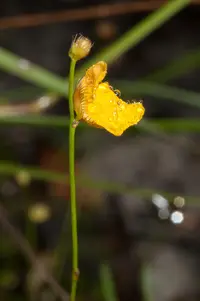
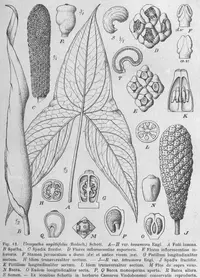
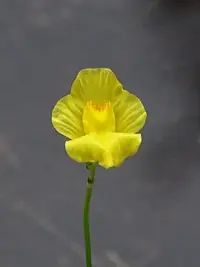
spade-leaf sword Care (Aquarius cordifolius)

Also known as: creeping burhead
spade-leaf sword

About spade-leaf sword

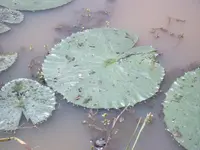
The spade-leaf sword, Aquarius cordifolius, is an aquatic or semi-aquatic plant often used in freshwater aquariums and paludariums. It forms dense clumps of broad, heart-shaped leaves on sturdy stems. In nature it occurs in shallow, slow-moving waters and marshy edges, mainly in tropical and subtropical regions of the Americas. Growth is typically upright and bushy, creating a tall background or midground focal point. This species is considered moderately easy to grow once established, but it needs stable water conditions and adequate nutrients to stay healthy. Understanding how to care for spade-leaf sword starts with providing consistent moisture, gentle water movement, and moderate light.

Main Plant Requirements

Care Difficulty

Moderate Care

Light Preference

Partial Sun

Water Requirements

Aquatic

Temperature Preference

Warm Climate

Hardiness Zone

9–11

Soil Texture

Loamy, Silty, Organic-rich

Soil pH

Acidic (5.5–6.5), Slightly acidic (6.5–7.0)

Soil Drainage

Waterlogged tolerant

Fertilization

Light (every 4–6 weeks)

Get Personalized Care Plan

Scan your plant to receive care tips personalized for your specific plant

Available on iOS and Android

How to Care for the spade-leaf sword

This aquatic and marginal plant prefers bright conditions with protection from harsh midday sun.

  • Provide 4–6 hours of morning sun or filtered light; dappled shade in the afternoon prevents leaf scorch on spade-leaf sword.
  • In garden ponds, situate it where taller plants or structures give partial shade, especially in summer when sun intensity peaks.
  • If leaves turn pale and elongate, the plant is likely too shaded; brown, crispy patches indicate excessive direct sun exposure.

This species thrives in consistently wet conditions and should never be allowed to dry out.

  • Grow in shallow pond edges or waterlogged soil where the crown is just above water and roots stay fully submerged or saturated.
  • Aim for constantly moist substrate; wilting, drooping leaves or dry, shrinking leaf edges indicate underwatering, while yellowing, mushy crowns suggest stagnant, oxygen-poor conditions.
  • Use organically rich, heavy loam rather than fast-draining mixes so moisture remains stable, especially during hot, dry periods.

This aquatic plant prefers warm, stable conditions and is sensitive to frost.

  • Optimal growth occurs around 72–82°F (22–28°C), with steady warmth supporting stronger leaves and roots.
  • The plant can tolerate brief drops to about 60°F (16°C) but suffers damage near 50°F (10°C) and should be protected from any frost.
  • In hot summers above 86°F (30°C), provide partial shade and ensure water depth and volume are sufficient to prevent rapid temperature swings.

This aquatic species does not rely on ambient air humidity, as leaves and roots are adapted to submerged or marginal water conditions.

Aquarius cordifolius prefers nutrient-rich, fine-textured substrates that stay consistently wet under water.

  • Use a heavy loam or clay-loam base with added organic matter such as well-rotted compost for stable nutrients.
  • Avoid coarse sand, gravelly mixes, or very light potting mediums that allow nutrients to leach and roots to loosen.
  • Keep pH roughly 6.5–7.5 by avoiding highly acidic peat-only mixes or strongly alkaline substrates.
  • Cap the soil with a 2–3 cm layer of rinsed sand or fine gravel to reduce clouding and limit organic matter floating up.

This species is suitable for container culture in ponds or aquaria when planted in stable, submerged pots.

  • Choose a wide, low container to support the spreading root system and prevent tipping in moving water.
  • Use a solid-sided pot rather than mesh baskets in aquaria to keep fine substrate from escaping into the water column.
  • Place the container where water flow is gentle so leaves are not battered and roots are not continually disturbed.

Aquarius cordifolius benefits from modest, consistent nutrition rather than heavy feeding.

  • Use a balanced aquatic fertilizer or general balanced NPK at half strength for this spade-leaf sword.
  • Feed every 4–6 weeks during the active growing season, following label directions for aquatic plants.
  • Reduce or stop feeding in winter or dormancy when growth slows noticeably.
  • Avoid overfeeding, which causes algae and weak, overly soft foliage; aim for gentle, steady nutrient levels.

Pruning Aquarius cordifolius focuses on hygiene and maintaining an open, healthy clump.

  • Trim yellowing, dead, or damaged leaves at the base throughout the growing season using clean scissors or aquascaping shears.
  • Remove crowded inner leaves to improve light penetration and water circulation around the crown.
  • Cut back overly long or shading leaves to maintain desired shape and prevent smaller plants from being overshadowed.
  • Discard all removed material to limit decay and algae build-up in the water.

Moving Aquarius cordifolius is mainly about dividing and refreshing its planting container or pond position.

  • Look for roots circling pots, compacted substrate, or stunted growth as signs the plant needs transplanting or division.
  • Plan to lift and reset clumps every 1–2 years, ideally in spring or early summer when growth is active.
  • Gently loosen the root mass, divide with a clean knife, and replant into fresh, nutrient-rich aquatic substrate.
  • Keep crowns just above the soil line, submerge to the recommended depth, and avoid drastic changes in water temperature to reduce stress.

Aquarius cordifolius is most commonly propagated by division, with seeds used less often in home setups.

  • Divide established clumps in spring or early summer when new growth appears and water temperatures are stable.
  • Lift the plant, rinse off substrate, and separate sections each with healthy roots and at least 2–3 leaves.
  • Replant divisions into fresh aquatic substrate, firming gently and submerging to the original depth.
  • For seeds, provide warm water, gentle circulation, and stable light, keeping them in shallow trays until seedlings root well.

Aquarius cordifolius has moderate cold tolerance but benefits from some winter management in cooler climates.

  • In temperate ponds, allow foliage to die back naturally, then remove decaying leaves to maintain water quality.
  • In regions with hard freezes, move container-grown plants to a frost-free, cool, bright indoor or greenhouse spot.
  • If left outdoors, position rhizomes deeper below the water line and mulch pond margins to buffer temperature swings.

Care Tips

Substrate anchoring

Place a small plant weight or bury the lower stem slightly deeper in the substrate so the crown stays anchored and upright as new underwater leaves elongate.

Leaf transition management

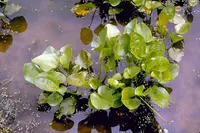
Remove any large, older emersed leaves gradually after strong submerged leaves form, which redirects energy into stable underwater growth and reduces decaying plant matter in the tank.

Nutrient zone planning

Position the plant in an area of the aquarium with moderate water movement and a nutrient-rich substrate pocket so roots can access stable nutrients without being disturbed by frequent replanting.

Runner control

Trim and thin out long runners or excess plantlets with clean aquascaping scissors to prevent the plant from shading itself and to maintain good water flow around the leaves.

Seasonal photoperiod tweaks

Adjust the aquarium light duration slightly shorter in warmer months if algae pressure increases, as this helps balance light and nutrient uptake when growing spade-leaf sword in a nutrient-rich tank.

Common Pests and Diseases

Cryptocoryne melt

This disease causes sudden, rapid disintegration of leaves, often after changes in water conditions, lighting, or planting depth. Symptoms include transparent, soft tissue that collapses and detaches from the rhizome and crown.

Solution

Remove all decaying leaves and debris to prevent fouling of the water, then stabilize conditions by keeping temperature, hardness, and pH consistent and avoiding sudden light or nutrient changes. Maintain gentle water flow around the rosette, avoid burying the crown, and allow time for regrowth from healthy basal tissue under stable Aquarius cordifolius care instructions.

Nutrient deficiency chlorosis

Symptoms include yellowing leaves, especially between veins, slow growth, and weak, thin petioles in this fast-feeding rooted aquatic plant. This problem is often tied to low iron or general macronutrient levels in the substrate or column.

Solution

Increase root nutrition by adding nutrient-rich root tabs near the plant and consider a complete aquatic fertilizer with chelated iron. Ensure CO₂ is not severely limiting, maintain good water circulation, and trim heavily damaged leaves so the plant can focus on healthy new growth.

Aquatic snail grazing

These insects are absent; instead, herbivorous snails such as ramshorn or pond snails rasp holes in tender leaves and can skeletonize younger foliage in nutrient-rich tanks. Symptoms include irregular holes, transparent patches, and edges that look scraped rather than rotted.

Solution

Manually remove larger snails, reduce overfeeding of fish to limit snail reproduction, and introduce snail traps or snail-eating fish where appropriate for the aquarium community. Encourage faster leaf recovery through good fertilization and remove heavily damaged leaves to reduce surface area for grazing.

Algal overgrowth

This disease is not pathogenic but heavy growth of filamentous or hair algae on leaf surfaces blocks light and slows photosynthesis, weakening the plant. Symptoms include green or brown filaments or slimy coatings on blades, especially under strong light and excess nutrients.

Solution

Manually remove algae from leaves by gently rubbing with fingers or a soft brush during water changes, and balance lighting duration (often 6–8 hours) with consistent CO₂ and nutrient dosing. Improve plant competition by ensuring strong, healthy growth and consider adding compatible algae-eating fish or invertebrates to help control regrowth.

Leaf tip burn

Symptoms include browning and necrosis at leaf tips and margins, often linked to elevated nutrients, unstable CO₂, or high temperature in shallow setups. Over time, affected leaves may deteriorate and detach near the base.

Solution

Check and moderate fertilizer levels, especially nitrates and phosphates, and stabilize CO₂ delivery if used. Keep temperature within the recommended range, maintain regular partial water changes, and prune badly affected leaves so new foliage can develop under more stable conditions.

Interesting Facts

Amphibious leaf strategy

This species forms two distinct leaf types: broad, heart-shaped leaves in air and narrower, more delicate leaves under water, allowing the same plant to function efficiently in both environments.

Naturally emergent habit

In nature it often grows in shallow waters of slow streams, ponds, and rice fields, with its leaves and flowering stalks emerging above the surface rather than staying fully submerged.

Submerged flowering rarity

Although capable of producing typical amphibious plant flowers when grown emersed, it rarely flowers in fully submerged aquarium conditions, so sexual reproduction in tanks is uncommon.

FAQs about spade-leaf sword

Yellowing leaves often result from nutrient-poor substrate, especially lack of iron, or from older leaves naturally aging. In aquariums, strong light without enough root fertilizer also causes chlorosis. Trim damaged foliage and refresh root tabs or substrate nutrients.

Grow Healthy Plants with Botan Care

Keep your plants happy and healthy with plant identification, disease detection, and easy care guidance.

Botan plant care app — identify plants on mobile

Explore More Plants