Seasonal site rotation
Shift planting sites every 1–2 years within the same meadow or bed to reduce soil-borne disease buildup and maintain the diverse host grasses this hemiparasitic species depends on.

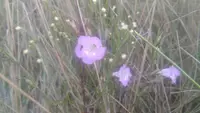
Agalinis communis is a small annual wildflower in the broomrape family, often found in open fields, prairies, and light woodlands. It is native to parts of North America and typically grows upright with slender stems and fine, narrow leaves.
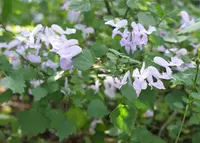
The plant is best known for its delicate, tubular pink to purple flowers that appear along the stems late in the season. It behaves as a hemiparasite, meaning it taps into neighboring plant roots for some nutrients, which can make it more challenging to cultivate in standard garden settings.
In general, it prefers sunny, open sites with well-drained, often sandy or poor soils and consistent but not excessive moisture, so understanding how to care for Agalinis communis starts with matching these natural conditions.

Care Difficulty
Moderate Care

Light Preference
Full Sun

Water Requirements
Moderate Water

Temperature Preference
Cool Climate

Hardiness Zone
4–7

Soil Texture
Sandy, Loamy, Silty

Soil pH
Acidic (5.5–6.5), Slightly acidic (6.5–7.0)

Soil Drainage
Moist but well-drained

Fertilization
Minimal (feed rarely)
Scan your plant to receive care tips personalized for your specific plant
Available on iOS and Android
This sun-loving annual thrives in open, bright sites typical of dry meadows and prairies.
This species prefers consistently moist but not waterlogged soil, especially during active growth and flowering.
This temperate annual is adapted to warm growing seasons and cool winters, typical of many open-field wildflowers.
This species tolerates typical outdoor humidity and does not usually need special humidity adjustment.
This plant prefers light, well-drained, moderately fertile soil.
This species is not well suited to container growing for long-term culture, as it prefers open ground conditions.
This wild annual generally needs no supplemental feeding in normal garden soil.
Pruning needs for Agalinis communis are minimal and mostly cosmetic.
This species is rarely grown long-term in containers and is better transplanted directly into suitable ground.
Propagation of Agalinis communis is done almost exclusively from seed.
This annual completes its life cycle before winter and does not require special winter care.

Plant Health Check
Not sure what's wrong with your plant? Check your plant's health inside the app.
This annual species is hemiparasitic, meaning it carries out photosynthesis but also taps into the roots of nearby plants to obtain additional water and minerals through specialized structures called haustoria.
It typically flowers in late summer to early autumn, producing small tubular pink to purple blossoms that provide nectar for bees and other insects when many earlier wildflowers have finished blooming.
In parts of its range, this species helps support specialist insects that use it as a host plant, making it a useful component in conservation plantings aimed at maintaining native pollinator communities.
This species is typically an annual wildflower. Each plant germinates, grows, flowers, sets seed, and dies within a single growing season, so ongoing populations rely on new seedlings emerging from seed each year.
Keep your plants happy and healthy with plant identification, disease detection, and easy care guidance.