Clump Division Timing
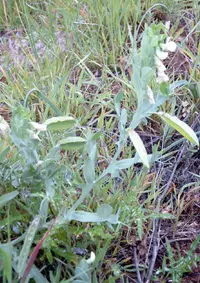
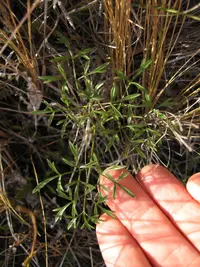
Lift and divide crowded clumps every 4–6 years in late winter or early spring, replanting sections with at least 3–5 healthy fans to maintain strong flowering and prevent the center from dying out.

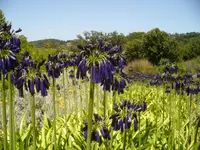
Drooping agapanthus (Agapanthus inapertus) is a clump-forming perennial from southern Africa, grown for its elegant, arching stems and pendant, tubular flowers. The blooms hang in loose clusters and range from pale lavender to deep purple-blue, giving a softer, more graceful look than the upright heads of common agapanthus. Plants form narrow, strap-like leaves and a neat, structured shape that suits borders, mixed beds, and large containers. It prefers sun to light shade, moderate moisture, and well-drained soil, which makes it relatively straightforward for gardeners who learn how to care for drooping agapanthus.

Care Difficulty
Moderate Care

Light Preference
Full Sun

Water Requirements
Moderate Water

Temperature Preference
Warm Climate

Hardiness Zone
8–11

Soil Texture
Sandy, Loamy, Organic-rich

Soil pH
Slightly acidic (6.5–7.0), Neutral (7.0)

Soil Drainage
Well-drained

Fertilization
Light (every 4–6 weeks)
Scan your plant to receive care tips personalized for your specific plant
Available on iOS and Android
Agapanthus inapertus thrives in bright, direct sun but tolerates some shade in hotter regions.
Agapanthus inapertus prefers evenly moist but not waterlogged soil, with clear drying between waterings.
This species prefers mild to warm conditions and dislikes hard, prolonged frost.
This species tolerates typical indoor humidity but grows best in moderately dry air.
Agapanthus inapertus prefers sharply drained, moderately fertile soil that does not stay wet.
This species is well suited to container growing outdoors in many climates.
Agapanthus inapertus responds well to modest, targeted feeding during its active growing season.
Pruning Agapanthus inapertus focuses on deadheading and tidying to maintain flowering performance and plant health.
Agapanthus inapertus prefers to stay slightly root bound, so repotting or transplanting is infrequent but sometimes necessary.
Agapanthus inapertus is most reliably propagated by division, with seed used mainly for breeding or experimentation.
Winter care for Agapanthus inapertus depends on climate, with more protection needed in colder regions.

Plant Health Check
Not sure what's wrong with your plant? Check your plant's health inside the app.
Unlike many other agapanthus species, this species has pendent, tubular flowers that hang down rather than forming upright, open clusters, giving the inflorescence a characteristic weeping look.
It occurs naturally in summer-rainfall regions of South Africa, where it has evolved to flower in late summer and autumn, aligning its growth and reproductive cycle with seasonal moisture patterns.
Wild populations show notable variation in height, flower color, and tube length, and several horticultural selections and subspecies have been described from these naturally diverse forms.
In its native South African grassland and rocky slope habitats, this species often grows among grasses, with its tall, drooping flower stems rising above the surrounding vegetation to improve visibility to pollinators such as sunbirds and large insects.
Lack of flowering usually comes from insufficient light, overcrowded clumps, or nutrient imbalance from high-nitrogen fertilizer. Division every 4–5 years, full sun, and a balanced or low-nitrogen feed typically restore reliable summer blooms.
Keep your plants happy and healthy with plant identification, disease detection, and easy care guidance.