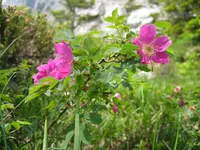
Cleland's evening primrose Care (Oenothera clelandii)

Also known as: Lesser Four-point Evening-primrose
Cleland's evening primrose

About Cleland's evening primrose

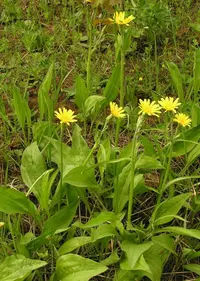
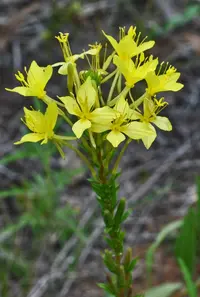
Cleland's evening primrose, Oenothera clelandii, is a short-lived perennial or biennial wildflower native to parts of inland Australia. It forms low rosettes of narrow leaves and sends up upright stems topped with soft yellow, evening-opening flowers. The blooms attract night-flying insects and give the plant a delicate, open look in the garden.

In its natural habitat, it grows in well-drained, often sandy or gravelly soils in sunny, relatively dry sites. It suits gardeners seeking a drought-tolerant, low-maintenance wildflower once established, though it dislikes heavy, waterlogged ground. Understanding these conditions helps explain how to care for Cleland's evening primrose in cultivation.

Main Plant Requirements

Care Difficulty

Easy Care

Light Preference

Full Sun

Water Requirements

Low Water

Temperature Preference

Warm Climate

Hardiness Zone

8–10

Soil Texture

Sandy, Loamy, Rocky

Soil pH

Slightly acidic (6.5–7.0), Neutral (7.0)

Soil Drainage

Well-drained

Fertilization

Minimal (feed rarely)

Get Personalized Care Plan

Scan your plant to receive care tips personalized for your specific plant

Available on iOS and Android

How to Care for the Cleland's evening primrose

This sun-loving perennial thrives in bright, open sites typical of dry grasslands and roadsides.

  • Provide 6–8 hours of direct sun daily; Cleland's evening primrose flowers best with full morning and midday sun.
  • Plant in an unshaded spot; light afternoon shade is tolerated in very hot climates but deep or prolonged shade reduces flowering and makes stems lanky.
  • In summer, monitor for leaf scorch on reflected-heat sites (near walls or pavement), and avoid planting where nearby trees will cast increasing shade over the years.

This drought-tolerant species prefers infrequent, deep watering once established.

  • Allow the top 5–8 cm of soil to dry before watering; in well-drained ground this often means waiting until foliage just begins to lose slight turgor, then soaking the root zone thoroughly.
  • In spring and early establishment phases, check soil more often, but reduce watering in summer once roots are deep, especially in sandy or gravelly sites.
  • Watch for overwatering signs such as yellowing lower leaves, soft stems, or persistent wet soil; underwatering shows as dull, drooping foliage that recovers soon after a deep soak for Oenothera clelandii.

This species is adapted to continental climates with warm summers and cold winters.

  • Optimal growth occurs around 65–80°F (18–27°C), with strong flowering in consistently warm, sunny conditions during late spring and summer.
  • Mature plants tolerate winter lows near 0°F (−18°C) when soil drains well; extended periods below this, especially in waterlogged ground, increase crown and root damage risk.
  • In hot spells above 95°F (35°C), flowering may pause; mulch the soil lightly to moderate root-zone temperatures while keeping the crown itself exposed and dry.

Humidity is not a major factor for this drought-adapted perennial.

This species prefers lean, well-drained mineral soils that never stay waterlogged.

  • Use sandy or gravelly loam with low to moderate organic matter to mimic its native habitat.
  • Ensure very rapid drainage by blending 40–60% coarse sand or fine gravel with the existing soil or mix.
  • Keep pH slightly acidic to neutral, around 6.0–7.5, avoiding strongly acidic or saline conditions.
  • Avoid heavy clay, peat-heavy mixes, or compacted sites, and loosen soil 15–20 cm deep to improve aeration for Oenothera clelandii.

This species can be grown in containers if drainage is kept very sharp.

  • Choose a deep, narrow pot to accommodate the taproot and reduce lateral circling of roots.
  • Use a mineral-rich mix with at least 50% coarse sand or grit so water clears the drainage holes within minutes.
  • Place the container in a spot where wind exposure will not topple the plant as stems lengthen and become top-heavy.

This species is adapted to lean soils and usually needs only light feeding in garden settings.

  • Apply a thin layer of compost around plants in early spring to support healthy growth.
  • If growth is weak on very poor soil, use a balanced NPK granular or slow-release fertilizer at 1⁄2 strength.
  • Feed at most once in spring and once in mid-summer during active growth.
  • Avoid fertilizing in late fall or winter, as the plant is semi-dormant and excess nutrients are wasted.

Pruning helps keep Oenothera clelandii compact and flowering well in garden beds.

  • Use clean hand pruners or snips to remove dead, damaged, or diseased stems at the base in late winter or very early spring.
  • Shear or pinch back spent flowering stems through summer to encourage repeat blooming and a tidier mound.
  • Thin out crowded, sprawling shoots to improve air movement and reduce fungal issues.
  • Avoid cutting into fresh basal rosettes, which hold next season’s growth.

This evening primrose is usually grown in the ground, so focus on careful transplanting rather than frequent repotting.

  • Transplant young plants in early spring or fall, when temperatures are mild and soil moisture is steady.
  • Choose a sunny site with well-drained soil and avoid very rich ground, which can cause floppy growth.
  • Move plants only when roots lightly fill the planting cell; older clumps dislike disturbance.
  • Water deeply after transplanting, then keep soil just moist while roots establish to reduce stress.

Most gardeners multiply this species from seed, which suits its taprooted perennial habit.

  • Sow fresh seed outdoors in fall or very early spring, allowing natural cold exposure to break dormancy.
  • Provide full sun and well-drained, slightly gritty soil for best germination and seedling growth.
  • Cover seed lightly or press into the surface, then keep soil barely moist, not wet.
  • Mature clumps can sometimes be divided carefully in early spring, but division may check growth.

This perennial is generally cold hardy in temperate climates and needs minimal winter attention in the ground.

  • In regions with severe frost, apply a light mulch layer around the crown after the first hard freeze.
  • Leave some top growth until late winter to shield crowns and catch insulating snow.
  • Container plants benefit from moving to a sheltered, unheated space where soil does not freeze solid.

Care Tips

Encourage Compact Growth

Pinch back the soft tips of young stems in late spring to encourage bushier plants and more flowering shoots rather than tall, open growth.

Support In Windy Sites

In exposed gardens, place low, discreet ring supports or short pegs and twine around the clump before flowering to prevent stems from lodging or snapping in strong winds.

Deadhead With Care

Remove spent flowers every few days during peak bloom, but always leave a few healthy seed pods at the end of the season if you want controlled self-seeding without the plant spreading aggressively.

Manage Self-Sowing

Mark and thin volunteer seedlings in late winter or early spring, keeping only the strongest and best-placed plants so that growing Cleland's evening primrose does not create a crowded, weedy patch.

Monitor For Root Stress

In heavy or compacted soils, gently lift and replant clumps every 3–4 years into freshly loosened ground to reduce root congestion, improve vigor, and maintain consistent flowering.

Common Pests and Diseases

Flea beetles

This pest chews many tiny round holes in leaves, giving foliage a shot‑hole or lace‑like appearance and sometimes stunting young plants.

Solution

Shake beetles off plants in the early morning and use lightweight row cover over young plants to prevent new feeding; in small plantings, surround the base with a 5–8 cm band of diatomaceous earth and, if needed, spot-treat foliage with a spinosad-based spray, following label directions and avoiding times when pollinators are active.

Spider mites

These insects cause fine stippling, dulling, and bronzing of foliage, often with delicate webbing on stems and leaf undersides during hot, dry weather.

Solution

Rinse plants thoroughly with a strong but gentle stream of water, focusing on leaf undersides, then maintain slightly higher humidity and monitor; if populations stay high, apply insecticidal soap or horticultural oil every 5–7 days for several cycles, coating all green tissue and avoiding use during full sun or high heat.

Leaf spot

This disease produces small to medium brown or tan spots on leaves, sometimes with darker margins and premature yellowing and drop of older foliage in humid or crowded conditions.

Solution

Remove and discard affected leaves promptly, avoid overhead watering, and space plants to improve airflow; in recurring cases, apply a copper or chlorothalonil fungicide at the first signs of spotting, repeating as directed on the label, and keep spent plant material cleaned up at the end of the season as part of general Oenothera clelandii care.

Powdery mildew

This disease shows as white to gray, powdery patches on upper leaf surfaces and sometimes stems, which can cause leaf distortion and reduced flowering under dry days and cool nights.

Solution

Increase spacing and airflow, water at soil level, and remove heavily infected leaves; at early onset, treat foliage with sulfur, potassium bicarbonate, or horticultural oil products labeled for powdery mildew, repeating at 7–14 day intervals while conditions favor the disease.

Interesting Facts

Restricted Australian range

This species is endemic to parts of South Australia, meaning it occurs naturally only in that region and has not been recorded as native elsewhere in the world.

Preference for sandy soils

It typically grows in well-drained sandy or sandy-loam substrates in open habitats, reflecting adaptation to relatively low-nutrient, free-draining soils.

Twilight flowering habit

Like many evening primroses, it produces flowers that open toward late afternoon or evening, aligning its blooming time with crepuscular pollinators such as moths.

FAQs about Cleland's evening primrose

The flowers open around dusk and are rich in nectar, so they strongly attract nocturnal moths and also bees that visit early or late in the day. This makes the plant useful in wildlife-friendly and pollinator-supporting gardens.

Grow Healthy Plants with Botan Care

Keep your plants happy and healthy with plant identification, disease detection, and easy care guidance.


Botan plant care app — identify plants on mobile

Explore More Plants