Divide Mature Clumps
Every 3–4 years, lift and divide crowded rhizomes in late spring, replanting vigorous pieces with several shoots to maintain flowering performance and prevent the center of the clump from thinning out.

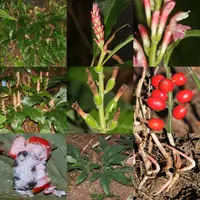
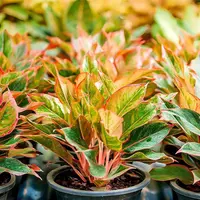
Alpinia japonica is a compact perennial ginger from East Asia, grown mainly for its lush foliage and small, pale flowers held on short spikes. It forms dense clumps from underground rhizomes and typically stays much smaller than many ornamental gingers, which makes it suitable for containers and shaded borders.
In the wild it occurs in woodland and forest edges, often in moist, humus-rich soil. It prefers bright shade, consistent moisture, and well-drained, fertile substrate.
These traits make it moderately easy to grow where winters are mild and soil does not dry out for long periods. Understanding how to care for Alpinia japonica helps maintain healthy leaves and compact, attractive clumps over many years.

Care Difficulty
Moderate Care

Light Preference
Partial Shade

Water Requirements
Keep Soil Moist

Temperature Preference
Warm Climate

Hardiness Zone
8–10

Soil Texture
Loamy, Organic-rich

Soil pH
Acidic (5.5–6.5), Slightly acidic (6.5–7.0)

Soil Drainage
Moist but well-drained

Fertilization
Light (every 4–6 weeks)
Scan your plant to receive care tips personalized for your specific plant
Available on iOS and Android
This shade-tolerant ginger prefers bright but softened light to keep leaves lush and green.
This rhizomatous perennial likes evenly moist but not saturated soil, especially during active growth.
This species prefers mild, frost-free conditions with warm summers and cool, not cold, winters.
This species benefits from moderate to high humidity for best foliage quality.
Alpinia japonica prefers moist, airy soil that drains freely but does not dry out too fast.
This species is suitable for container growing, especially in cooler climates or small spaces.
In fertile garden soil, Alpinia japonica needs only light, targeted feeding to support steady growth.
Pruning Alpinia japonica is mainly about hygiene and maintaining a tidy clump.
Container‑grown Alpinia japonica benefits from occasional division and fresh soil to keep growth vigorous.
Alpinia japonica is most reliably multiplied by division of mature clumps rather than by seed.
Alpinia japonica is moderately cold tolerant but benefits from simple winter precautions in cooler climates.

Plant Health Check
Not sure what's wrong with your plant? Check your plant's health inside the app.
This species stays much smaller than many other Alpinia, typically forming low clumps of leafy stems in the forest understory of Japan and nearby regions rather than tall, cane-like thickets.
Unlike many tropical gingers, this plant tolerates cooler, subtropical conditions and is grown outdoors in mild parts of Japan, which influences how to take care of Alpinia japonica in temperate gardens.
It produces short, upright inflorescences with tight clusters of waxy, pale flowers that may be flushed pink, a structure that distinguishes it from showier relatives with long, pendant flower sprays.
Yellowing leaves usually result from overwatering, poor drainage, or prolonged cold. Check that the pot drains freely, roots are not waterlogged, and the plant is not exposed to temperatures below its recommended range for long periods.
Keep your plants happy and healthy with plant identification, disease detection, and easy care guidance.