Daylily Care (Hemerocallis 'All Fired Up')

About Daylily

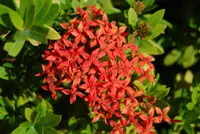
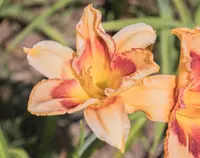
Hemerocallis 'All Fired Up' is a deciduous perennial daylily grown mainly for its large, showy red-orange flowers with a yellow throat. It forms clumps of arching, grass-like foliage and sends up sturdy flower stalks that bloom in succession, with each individual flower lasting just one day.

This cultivar traces its origin to garden breeding, not wild habitats, and is widely used in borders, mass plantings, and low-maintenance landscapes. It is valued for being adaptable, long-lived, and relatively forgiving of minor care mistakes.

Gardeners who want to care for Daylily appreciate that it tolerates a range of soils, prefers sun to light shade, and grows best in moderately moist, well-drained ground.

Main Plant Requirements

Care Difficulty

Easy Care

Light Preference

Full Sun

Water Requirements

Moderate Water

Temperature Preference

Cold Hardy

Hardiness Zone

3–9

Soil Texture

Sandy, Loamy, Clay

Soil pH

Slightly acidic (6.5–7.0), Neutral (7.0)

Soil Drainage

Moist but well-drained

Fertilization

Minimal (feed rarely)

Get Personalized Care Plan

Scan your plant to receive care tips personalized for your specific plant

Available on iOS and Android

How to Care for the Daylily

This cultivar thrives in bright outdoor conditions with several hours of direct sun for strong flowering.

  • Provide 6–8 hours of direct sun daily; morning sun with light afternoon shade helps prevent flower scorch in hotter regions.
  • Allow partial shade (3–4 hours direct sun) in very hot climates; flowering may be slightly reduced but foliage often looks fresher.
  • Avoid deep shade, which causes weak growth and fewer blooms, and protect Daylily clumps from reflected heat off walls that can overheat roots in midsummer.

This perennial prefers moderately moist, well-drained soil and tolerates short dry spells once established.

  • Water when the top 3–5 cm of soil feels dry, applying a deep soak rather than light splashes to encourage deeper roots.
  • Reduce watering in cool seasons or during dormancy; in active growth, drought stress shows as drooping, yellowing outer leaves and small buds.
  • Ensure free-draining soil; persistent sogginess, rotting crowns, or a sour smell around Hemerocallis 'All Fired Up' signal overwatering and poor aeration.

This hardy daylily tolerates a wide temperature range but performs best in moderate seasonal climates.

  • Optimal growing temperatures are about 65–80°F (18–27°C) during the day and 55–65°F (13–18°C) at night in spring and early summer.
  • Established clumps typically survive winter down to about -20°F (-29°C) in the ground, entering dormancy and resuming growth as soils warm in spring.
  • In hot summers above 90°F (32°C), flowering may shorten; mulch the root zone to moderate soil temperature and reduce heat stress on foliage.

Humidity is rarely a concern for Hemerocallis 'All Fired Up' in typical outdoor conditions.

Hemerocallis 'All Fired Up' grows best in well-structured, moisture-retentive but free-draining ground.

  • Use a loamy soil with some sand and organic matter to balance moisture retention and drainage.
  • Aim for slightly acidic to neutral pH, around 6.0–7.0, for best nutrient availability.
  • Incorporate 3–5 cm of compost into the top 20–25 cm before planting to improve structure and aeration.
  • Avoid heavy, compacted clay or spots where water pools after rain, which promote root and crown rot.

This daylily adapts well to container growing outdoors if the pot is sized and drained correctly.

  • Choose a pot at least 30–35 cm wide and deep so the fleshy roots and fans can expand without crowding quickly.
  • Use a heavier material like ceramic or thick plastic to keep the container stable against wind and tall flower stalks.
  • Raise the pot on feet or bricks so drainage holes stay clear and excess water escapes instead of collecting under the base.

This daylily benefits from moderate, focused feeding during the active growing season.

  • Use a balanced slow-release fertilizer (around 10-10-10) or well-rotted compost in early spring as new growth emerges.
  • Apply again lightly in mid-summer if flowering is strong and foliage remains healthy, avoiding overfeeding in rich soils.
  • Dilute liquid feeds to half strength if used, always watering the soil first to prevent root burn.
  • Stop feeding in late summer to early fall, and do not fertilize during winter dormancy so growth can harden properly.

Hemerocallis 'All Fired Up' responds well to light, seasonal pruning that tidies clumps and supports flowering.

  • In mid to late summer, deadhead spent blooms by removing the flower stalks at the base to encourage a neater appearance.
  • Cut back yellowing or dead foliage at ground level in late fall or very early spring with clean, sharp pruners.
  • Remove damaged, diseased, or crowded leaves whenever noticed to maintain airflow and reduce foliar disease risk.
  • Avoid heavy cutting of green, healthy leaves during peak growth, as this can reduce photosynthesis and flowering quality.

This cultivar is usually grown in garden beds, with transplanting or division needed only every few years.

  • Transplant clumps every 3–5 years when flowering declines, centers thin out, or fans become crowded.
  • Schedule lifting and transplanting for early spring or just after flowering, so roots can re-establish in mild conditions.
  • Gently lift the clump with a fork, shake or wash off soil, and separate fans, keeping healthy roots attached.
  • Replant divisions at the same depth, water thoroughly, and shade lightly for a few days to reduce transplant stress.

Propagation of Hemerocallis 'All Fired Up' is most reliable through division of mature clumps.

  • Divide established clumps in early spring or late summer when temperatures are moderate and soil is workable.
  • Lift the plant and separate fans by hand or with a clean knife, keeping several leaves and a good root section on each division.
  • Trim foliage to 10–15 cm to limit water loss, then replant divisions at original depth in well-drained soil.
  • Water thoroughly after planting and maintain even moisture until new growth shows that roots have re-established.

This hardy daylily generally needs minimal winter care in most temperate climates.

  • Tolerates typical garden frost once established, with foliage naturally dying back after hard freezes.
  • Cut back dead leaves in late fall or early spring to reduce overwintering pests and diseases.
  • Apply a 5–7 cm layer of mulch over the root zone in colder regions to moderate soil temperature and moisture.
  • For container plants in very cold areas, move pots to a sheltered, unheated spot to limit root freeze-thaw cycles.

Care Tips

Division Timing

Plan to divide crowded clumps every 4–5 years in early spring or immediately after flowering, lifting the entire clump and replanting only the younger, outer fans to maintain strong bloom performance.

Fan Positioning

When replanting divisions, orient the leaf fans all in one direction and set the crown just at or slightly above soil level to encourage even growth and reduce crown rot risk.

Bloom Stalk Management

Cut spent flower stalks down at the base once all buds have opened and faded, but leave healthy foliage intact to continue feeding the roots for next season.

Slug And Snail Deterrence

Use coarse mulch such as shredded bark or gravel around, but not touching, the crowns to make the surface less attractive to slugs and snails that chew young foliage and buds.

Summer Performance Check

During midsummer, inspect clumps for reduced flowering and congested centers, then mark those spots with discreet tags so divisions and rejuvenation can be done efficiently when planning how to take care of Daylily later in the season.

Common Pests and Diseases

Daylily rust

This disease causes small yellow to orange powdery spots on leaves that can merge and lead to premature leaf dieback. Symptoms include rusty spores that rub off on fingers or nearby surfaces.

Solution

Remove and discard heavily infected leaves, and avoid overhead watering to keep foliage dry. Improve spacing and airflow, clean up all dead foliage at season’s end, and in humid or warm regions consider using a labeled systemic fungicide as part of long-term Hemerocallis 'All Fired Up' care instructions if rust recurs regularly.

Daylily leaf streak

This disease starts as yellow streaks from the leaf tip or edges that turn brown and may cause leaves to wither from the tips downward. Symptoms include elongated lesions with yellow halos along the foliage.

Solution

Cut off and dispose of affected leaves to reduce inoculum, and always remove old foliage at the end of the growing season. Keep water on the soil, not the leaves, and if the problem is chronic, use a suitable fungicide labeled for daylily leaf streak, rotating products when possible to reduce resistance risk.

Aphids

These insects cluster on new growth, buds, and scapes, sucking sap and causing distorted leaves and sticky honeydew deposits that can attract sooty mold. This pest can also vector plant viruses between clumps.

Solution

Spray infested areas with a strong stream of water to dislodge colonies, and follow with insecticidal soap or a light horticultural oil, ensuring full coverage of leaf undersides and buds. Encourage natural predators such as lady beetles, avoid excessive nitrogen fertilizer that promotes soft growth, and remove severely infested flower stalks if necessary.

Thrips

These insects feed on flower buds and petals, causing streaked, deformed, or poorly opening blooms and sometimes silvery scarring on foliage. This pest can reduce flowering quality significantly in hot, dry weather.

Solution

Remove and discard damaged flower buds and spent scapes to reduce populations, and rinse plants periodically with water to disrupt insects. For persistent infestations, apply insecticidal soap or a low-toxicity systemic product labeled for ornamentals, targeting early bud development and repeating as directed on the label.

Crown and root gall

This disease creates swollen, wart-like galls at the crown or along roots, which can weaken plants and reduce vigor over time. Symptoms include distorted crowns, poor growth, and reduced flowering despite adequate care.

Solution

Dig up and discard severely affected plants, including as much of the root system as possible, and do not replant daylilies in the exact spot for several years. Use clean, disease-free stock, sanitize tools between plants, and avoid injuring crowns and roots when dividing or planting to limit entry points for bacteria.

Interesting Facts

Reblooming flower display

This cultivar was selected as a reblooming daylily, meaning it can produce more than one flush of flowers in a single growing season under suitable conditions, extending its ornamental interest well beyond the typical short main bloom period of many older daylily varieties.

Distinctive color pattern

The flowers show a warm blend of red to orange tones with a contrasting yellow to gold throat and often a lighter watermark near the center, creating a multicolored effect that is characteristic for this named cultivar and helps distinguish it from solid-colored daylilies.

Hybrid parentage background

This plant is a registered hybrid created through deliberate crossing of selected Hemerocallis parents, so its flower color, form, and reblooming habit are the result of controlled breeding rather than a naturally occurring wild population.

FAQs about Daylily

Lack of flowers usually comes from too little light, overcrowded clumps, depleted soil, or excessive nitrogen fertilizer. Dividing every 3–4 years, feeding with a balanced fertilizer, and ensuring strong sun exposure usually restores flowering.

Grow Healthy Plants with Botan Care

Keep your plants happy and healthy with plant identification, disease detection, and easy care guidance.

Botan plant care app — identify plants on mobile

Explore More Plants