


Staggered Renewal Cutting
Every 2–3 years, cut back one-third of the oldest stems at ground level in late winter to stimulate fresh, floriferous growth without sacrificing the entire flowering display in one season.

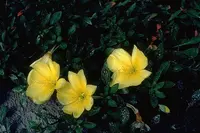
Showy evening primrose, Oenothera grandis, is a perennial flowering plant known for its delicate, pale pink to white blooms that often open from late afternoon into evening. It forms low, spreading clumps or patches, making it useful for naturalized borders and informal planting areas.
This species is native to parts of North America, where it typically grows in open, sunny habitats with well-drained soils. It is generally considered easy to grow, provided it receives enough light and is not kept in heavy, waterlogged ground.
Gardeners who want to care for showy evening primrose should note its tendency to spread by seed and sometimes by roots, which can make it enthusiastic in favorable conditions.

Care Difficulty
Easy Care

Light Preference
Full Sun

Water Requirements
Low Water

Temperature Preference
Cold Hardy

Hardiness Zone
4–8

Soil Texture
Sandy, Loamy, Rocky

Soil pH
Slightly acidic (6.5–7.0), Neutral (7.0)

Soil Drainage
Well-drained

Fertilization
Minimal (feed rarely)
Scan your plant to receive care tips personalized for your specific plant
Available on iOS and Android
This sun-loving perennial thrives in bright, open sites with long daily exposure.
This species prefers moderately dry conditions and is more tolerant of drought than excess moisture.
This hardy perennial adapts well to a wide temperature range when planted outdoors.
This species is highly tolerant of dry air and does not have specific humidity requirements.
Oenothera grandis prefers lean, well-drained soil that mimics dry, open habitats.
This species can be grown in containers if the pot is set up to shed water quickly.
This North American perennial generally needs only light feeding in average garden soil.
Thoughtful pruning helps Oenothera grandis stay compact and supports repeat flowering.
This species is usually grown in the ground and prefers minimal disturbance once established.
Oenothera grandis is most commonly propagated by seed, with division as a secondary method.
This perennial is generally cold hardy in much of its range and needs little active winter care.

Plant Health Check
Not sure what's wrong with your plant? Check your plant's health inside the app.
This species is native to arid regions of the southwestern United States, where it is mostly found in open desert scrub, rocky slopes, and well-drained sandy or gravelly soils rather than in mesic or coastal habitats common to some related evening primroses.
Like many evening primroses, it opens its pale flowers in the evening and at night, but in this species the timing is closely synchronized with crepuscular pollinators such as moths that are active in its dry, open habitats.
This plant develops a relatively deep taproot for its size, which allows access to moisture below the rapidly drying surface layers of desert soils and supports survival through extended dry periods common in its native range.
This species spreads by both seed and shallow rhizomes, so it can form large colonies over time. In smaller gardens, use edging, containers, or regular division and deadheading to prevent unwanted spread and keep clumps controlled.
Keep your plants happy and healthy with plant identification, disease detection, and easy care guidance.

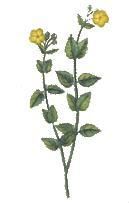
yellow rock rose
Helianthemum marifolium
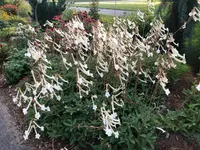
trumpet-flowered sinningia
Sinningia tubiflora
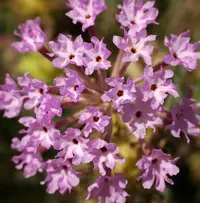
purple sand verbena
Abronia angustifolia
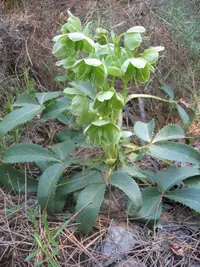
Corsican Hellebore
Helleborus argutifolius
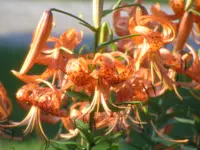
tiger lily
Lilium lancifolium
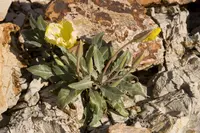
shortfruit evening primrose
Oenothera brachycarpa
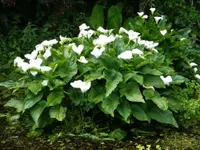
Calla lily
Zantedeschia aethiopica
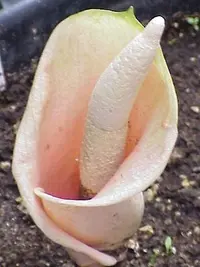
Amorphophallus bulbifer
Amorphophallus bulbifer