Crantzia cristata Care

Crantzia cristata

About Crantzia cristata

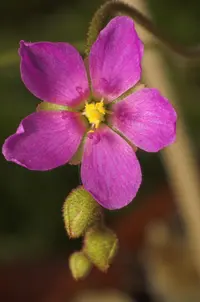
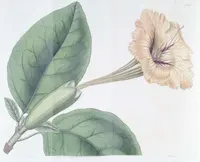
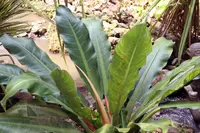
Crantzia cristata is a small, trailing tropical plant in the Gesneriaceae family, related to African violets. It is often grown as an indoor foliage and flowering plant. Stems are soft and creeping, with opposite leaves and tubular flowers that can add subtle color rather than showy blooms. In nature, it occurs in humid, shaded forests of Central and South America, where it often grows on rocks or as an epiphyte on trees. Its preference for stable warmth, high humidity, and evenly moist but airy substrate makes it moderately demanding under household conditions. Those conditions guide how to care for Crantzia cristata in typical homes or greenhouses.

Main Plant Requirements

Care Difficulty

Moderate Care

Light Preference

Bright Indirect Light

Water Requirements

Keep Soil Moist

Temperature Preference

Tropical / Frost Sensitive

Hardiness Zone

11–12

Soil Texture

Loamy, Peaty, Organic-rich

Soil pH

Acidic (5.5–6.5), Slightly acidic (6.5–7.0)

Soil Drainage

Moist but well-drained

Fertilization

Light (every 4–6 weeks)

Get Personalized Care Plan

Scan your plant to receive care tips personalized for your specific plant

Available on iOS and Android

How to Care for the Crantzia cristata

This trailing gesneriad prefers bright, indirect light and protection from harsh sun.

  • Provide 4–6 hours of bright, filtered light daily, such as near an east or north window or under sheer curtains with no direct midday sun.
  • Tolerates light shade but may grow sparse and flower less if light falls below roughly 3–4 hours of bright conditions per day.
  • Avoid strong afternoon sun, which can scorch leaves and fade color; in winter, move slightly closer to windows to compensate for weaker light.

This species prefers evenly moist conditions without staying waterlogged.

  • Water when the top 2–3 cm of soil feel dry, using enough water so it drains freely, then discard any excess to protect the fine roots from rot.
  • In active growth, check moisture every few days; in cooler or low-light seasons, allow the top layer to dry a bit more before watering to slow root stress.
  • Watch for limp, dull leaves and dry soil as signs of underwatering, and yellowing, mushy stems or a sour smell as signs of overwatering and poor drainage.

This plant thrives in warm, stable conditions with no exposure to frost.

  • Aim for 65–80°F (18–27°C) for best growth, keeping day and night temperatures fairly steady to reduce stress on the soft foliage.
  • Protect from cold; growth slows below about 60°F (16°C), and tissue damage can occur if exposed to 40–45°F (4–7°C) or any frost.
  • Crantzia cristata dislikes hot, stagnant air above 85°F (29°C); increase air movement and shade slightly during heat waves to prevent leaf scorch and wilting.

This species benefits from relatively high humidity to maintain healthy foliage and steady growth.

  • Aim for 50–70% humidity, as very dry rooms cause leaf edges to brown and curl.
  • It tolerates brief dips to 40%, but prolonged dry air leads to dull, thinning leaves and slower growth.
  • Increase humidity with a nearby humidifier, grouped plants, or a pebble tray rather than frequent misting.

This plant prefers a loose, airy, organic-rich mix that drains freely yet holds consistent moisture.

  • Use a peat- or coco-coir-based mix with added perlite and fine bark to create a light, fibrous structure.
  • Ensure rapid drainage so water runs through within seconds, preventing waterlogging that damages fine feeder roots.
  • Aim for slightly acidic to neutral pH around 6.0–7.0, which keeps nutrients available without causing toxicity issues.
  • Avoid heavy garden soil or dense, clay-like mixes; improve aeration by increasing perlite and bark if the potting mix compacts.

This species grows well in containers when the pot supports its spreading, trailing habit.

  • Choose a wide, shallow pot that allows lateral root spread and shows off the trailing stems over the rim.
  • Select a stable container that will not tip as foliage becomes fuller and more lopsided on one side.
  • Use a slightly porous material like unglazed terracotta if excess moisture is a concern, as it helps the mix dry more evenly.

Light, consistent feeding supports compact growth and flowering in Crantzia cristata.

  • Use a balanced liquid fertilizer (around 10-10-10 or 20-20-20) diluted to 1/4–1/2 strength for container plants.
  • Feed every 4–6 weeks during spring and summer when growth is active.
  • Skip or greatly reduce feeding in fall and winter when growth slows.
  • Avoid heavy applications; flush the pot with plain water occasionally to limit salt buildup.

Thoughtful pruning keeps Crantzia cristata dense, tidy, and flowering well.

  • Best time for pruning is late winter to early spring, before strong new growth starts.
  • Remove dead, diseased, or damaged stems first, then thin out weak or crossing shoots.
  • Pinch or trim stem tips to encourage branching and a fuller, cascading shape.
  • Use clean, sharp scissors or pruning snips, cutting just above a leaf node.

Occasional repotting maintains root health and stable growth for this plant.

  • Check for roots circling the pot, growing through drainage holes, or soil drying out very fast as signs it needs a larger container.
  • Plan to repot every 2–3 years in spring, when active growth supports recovery.
  • Move up only 1 pot size, using a fresh, well-draining mix, and handle roots gently to limit stress.
  • Water thoroughly after repotting, then keep in bright, indirect light and slightly drier soil for 1–2 weeks.

Vegetative propagation is the most practical way to increase Crantzia cristata plants.

  • Use 7–10 cm soft stem cuttings taken in spring or early summer.
  • Remove lower leaves and insert cuttings into a moist, free-draining mix such as peat-free seed compost with perlite.
  • Maintain warmth around 70–75°F, high humidity, and bright, indirect light for rooting.
  • Bottom heat and a loose, ventilated cover or propagator lid improve success rates.

This warmth-loving species needs protection from low temperatures in many regions.

  • Crantzia cristata is frost sensitive and should be kept above about 55°F.
  • Move container plants indoors or into a heated greenhouse before night temperatures drop near 50°F.
  • Provide bright, indirect light and slightly drier soil through winter to reduce rot risk.
  • Avoid cold drafts, sudden temperature swings, and contact with freezing window glass.

Care Tips

Encourage Compact Growth

Pinch back soft shoot tips every 4–6 weeks to keep stems dense and cascading rather than sparse and leggy, always using clean scissors or pruners to reduce infection risk.

Rotate For Even Trails

Turn the pot 90° every 1–2 weeks so trailing stems receive light from different angles, which helps maintain even foliage density and prevents one-sided, stretched growth.

Refresh Potting Mix

Every 12–18 months, slip the plant from its pot, gently remove the outer third of tired mix, and refill with fresh substrate to improve aeration and reduce salt buildup without overpotting.

Strategic Stem Layering

Coil a few long, healthy stems onto the soil surface and lightly pin them down with plant clips or wire pins so nodes contact the mix and can root, thickening the overall plant without taking cuttings.

Preventive Pest Checks

Inspect the undersides of leaves and stem joints every 1–2 weeks with a hand lens, and at the first sign of mites or mealybugs, isolate the plant and treat promptly with a labeled insecticidal soap to keep caring for Crantzia cristata more manageable over time.

Common Pests and Diseases

Spider mites

This pest thrives on the plant’s soft, hairy foliage in dry indoor air, causing stippled, faded leaves and fine webbing between stems and leaf undersides.

Solution

Rinse foliage thoroughly with lukewarm water, focusing on leaf undersides, then repeat every few days; increase humidity around the plant and, if needed, apply a horticultural soap or neem oil spray labeled for mites, ensuring full coverage of the fuzzy leaves without soaking the potting mix.

Mealybugs

These insects hide in leaf axils and along fuzzy stems, leaving white cottony clusters and sticky honeydew that can attract sooty mold.

Solution

Dab visible insects with cotton swabs dipped in 70% isopropyl alcohol, then wash the plant gently with lukewarm water and mild insecticidal soap; repeat weekly until no new clusters appear and isolate the plant from others during treatment.

Botrytis blight

This disease favors dense, humid foliage and poor air movement, leading to soft brown spots on leaves and stems that may develop gray fuzzy mold.

Solution

Remove and discard all affected leaves and stems, improve airflow and reduce crowding around the plant, then allow the top of the potting mix to dry slightly between waterings; in persistent cases, use a fungicide labeled for botrytis on ornamental houseplants and avoid wetting the foliage during irrigation as part of Crantzia cristata care instructions.

Powdery mildew

This disease appears as white or gray powdery patches on leaves, especially in low light with stagnant air, which can cause distorted or yellowing foliage over time.

Solution

Trim heavily affected leaves, increase light and airflow, and avoid overhead watering; for ongoing issues, use a sulfur or potassium bicarbonate-based fungicide suitable for indoor ornamentals, applying according to label directions and monitoring new growth closely.

Interesting Facts

Caribbean cloud forest native

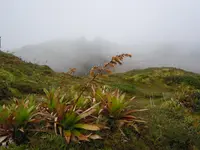
Crantzia cristata is native to moist, shaded montane forests of the Caribbean, especially islands like Hispaniola, where it typically grows on humid, mossy rock faces and banks rather than in exposed sites.

Fuzzy water‑shedding leaves

The leaves are covered with fine hairs (a type of pubescence) that help trap a thin layer of air and shed excess water, an adaptation that protects the leaf surface in constantly humid, dripping forest habitats.

Hummingbird‑oriented flowers

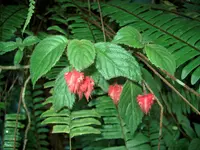
In its native range, the tubular orange to red flowers are visited primarily by hummingbirds, whose long beaks and hovering flight match the flower shape and promote cross‑pollination.

FAQs about Crantzia cristata

Brown, crisp edges usually point to low humidity, underwatering, or a buildup of fertilizer salts. Increase ambient humidity, water thoroughly but less often, and flush the potting mix with plain water every few months.

Grow Healthy Plants with Botan Care

Keep your plants happy and healthy with plant identification, disease detection, and easy care guidance.

Botan plant care app — identify plants on mobile

Explore More Plants