Goeppertia latifolia Care

Goeppertia latifolia

About Goeppertia latifolia

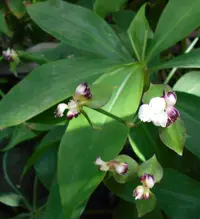
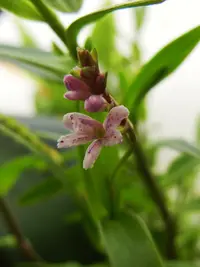
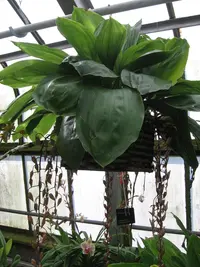
Goeppertia latifolia is a tropical, clump-forming foliage plant grown mainly for its broad, glossy, patterned leaves. It is part of the Marantaceae family, often called prayer plants, known for decorative foliage and a compact growth habit.

In the wild, it occurs on the shaded forest floor of tropical South America, where it grows in warm, humid, and sheltered conditions. These origins make it somewhat sensitive indoors, especially to low humidity, cold drafts, and irregular watering.

With stable warmth, evenly moist but well-drained soil, and soft, filtered light, it can adapt well as a houseplant. Understanding how to care for Goeppertia latifolia usually makes the difference between a thriving specimen and persistent leaf damage.

Main Plant Requirements

Care Difficulty

Moderate Care

Light Preference

Bright Indirect Light

Water Requirements

Keep Soil Moist

Temperature Preference

Tropical / Frost Sensitive

Hardiness Zone

11–12

Soil Texture

Loamy, Peaty, Organic-rich

Soil pH

Acidic (5.5–6.5), Slightly acidic (6.5–7.0)

Soil Drainage

Moist but well-drained

Fertilization

Light (every 4–6 weeks)

Get Personalized Care Plan

Scan your plant to receive care tips personalized for your specific plant

Available on iOS and Android

How to Care for the Goeppertia latifolia

This species prefers bright, filtered light that mimics a shaded forest understory.

  • Provide 6–8 hours of bright, indirect light each day, such as near an east or north window or under sheer curtains for Goeppertia latifolia indoor care.
  • Allow partial shade; morning sun is acceptable, but avoid direct midday or afternoon sun, which can scorch leaves and fade patterns.
  • In winter, move the plant slightly closer to the light source or supplement with a grow light to prevent stretched, sparse foliage.

This plant prefers evenly moist but never soggy soil around its roots.

  • Water when the top 2–3 cm of soil feels dry, using room‑temperature water poured slowly over the surface until it drains through.
  • Use a loose, well‑draining mix; empty saucers after 10–15 minutes to limit root rot, yellowing leaves, and a sour soil smell from overwatering.
  • In winter, allow the soil to dry a little deeper and reduce watering frequency; crisp brown edges and curling leaves usually indicate underwatering.

This species thrives in stable, warm conditions without sudden drafts or temperature swings.

  • Aim for 65–80°F (18–27°C) for active growth, with the most consistent performance around 70–75°F (21–24°C).
  • Avoid exposing the plant to temperatures below 60°F (16°C); brief drops to 55°F (13°C) can cause leaf damage and slowed growth.
  • Protect from hot, dry air above 85°F (29°C), especially near heaters or west‑facing windows, as excess heat plus low humidity leads to leaf edge browning.

This species benefits from consistently high indoor humidity.

  • Aim for 60–70% humidity; below 50% increases leaf stress risk.
  • Dry air causes brown, crispy leaf edges, rolled leaves, and stalled growth.
  • Use a room humidifier near Goeppertia latifolia, group plants, and place pots on pebble trays with water below the pot base.

This plant grows best in a loose, moisture-retentive but fast-draining mix.

  • Use a peat- or coco-based mix with added compost for organic-rich structure that stays evenly moist.
  • Add perlite and fine orchid bark (about 30–40% of the mix) to improve drainage and root aeration.
  • Target slightly acidic pH around 5.5–6.5, avoiding strongly alkaline mixes that can lock out nutrients.
  • Avoid heavy garden soil or mixes that stay soggy, which promote root rot and anaerobic conditions around the roots.

This species is well suited to container growing.

  • Select a pot only 3–5 cm wider than the root ball to keep moisture levels stable and prevent a cold, wet substrate core.
  • Choose a slightly heavier ceramic pot if the plant becomes wide and leaf-heavy to prevent tipping when leaves expand.
  • Ensure a drainage layer is avoided inside the pot so water exits freely through unobstructed holes rather than pooling above coarse material.

This plant benefits from light, steady feeding during active growth to support healthy foliage.

  • Use a balanced liquid fertilizer (for example 10-10-10 or 20-20-20) at 1/4–1/2 strength for Goeppertia latifolia.
  • Apply every 4–6 weeks in spring and summer when new leaves are forming.
  • Skip or greatly reduce feeding in fall and winter, when growth slows.
  • Flush the pot with plain water every few months to prevent salt buildup in the soil.

Pruning is mainly cosmetic and helps maintain tidy, healthy foliage.

  • Trim yellow, brown, or torn leaves at the base with clean, sharp scissors or snips.
  • Remove damaged or pest-affected parts promptly to limit spread and stress.
  • Thin out badly crowded, shading leaves to improve airflow and light penetration.
  • Light, occasional pruning encourages a neater shape without reducing new leaf production.

Repotting helps maintain root health and stable growth in this container-focused species.

  • Check for roots circling the pot, pushing from drainage holes, or slower growth as signs to repot Goeppertia latifolia.
  • Plan to repot every 2–3 years in spring, when new growth begins.
  • Shift to a pot only 2–5 cm wider, using airy, peat-free houseplant mix to limit root shock.
  • Water thoroughly after repotting, then keep in bright, indirect light and high humidity for 1–2 weeks.

Propagation is typically done by division rather than seed or cuttings.

  • Divide the root clump in spring during repotting, when the plant is actively growing.
  • Separate sections so each division has at least 2–3 healthy stems and a good root portion.
  • Plant divisions in fresh, slightly moist, well-draining mix and keep humidity high.
  • Maintain warm temperatures around 70–80°F and gentle, indirect light to support recovery and new growth.

This tropical species needs warm, frost-free conditions during winter.

  • Move containers indoors before temperatures drop below 55°F, as Goeppertia latifolia is not frost tolerant.
  • Keep indoor temperatures around 65–75°F and avoid cold drafts or sudden temperature swings.
  • Reduce watering slightly, keeping soil just lightly moist, and stop feeding until spring.
  • Use a humidifier or pebble tray to maintain higher humidity when indoor air is dry.

Care Tips

Acclimate After Purchase

After bringing the plant home, keep it in its nursery pot for 2–3 weeks in stable conditions to let it adjust before repotting or changing light levels, which reduces transplant shock and leaf curl.

Use Bottom-Watering Trays

Place the pot on a shallow tray of water with an inverted saucer or layer of pebbles under it so roots can draw moisture up through drainage holes without leaving the rootball constantly saturated.

Rotate For Even Growth

Turn the pot 90° every 1–2 weeks so the leaves track light evenly, which reduces leaning and helps maintain a balanced, symmetrical clump.

Monitor With Moisture Meter

Use a simple moisture meter inserted halfway into the root zone to learn how the mix behaves in your home, then calibrate your watering schedule to keep readings in the moderately moist range rather than guessing by surface dryness alone.

Quarantine And Inspect

Keep new plants in a separate area for 2–3 weeks and inspect the leaf undersides and stems every few days so any spider mites or mealybugs are detected and treated before they reach an established collection, which is central to caring for Goeppertia latifolia in the long term.

Common Pests and Diseases

Spider mites

This pest thrives in the dry, warm conditions often used for this species and causes tiny yellow speckles, dull leaves, and fine webbing on the undersides. Symptoms include slow decline, leaf curl, and a generally dusty, faded look to the foliage.

Solution

Shower the plant with lukewarm water to remove mites, then wipe leaf undersides with a soft cloth dipped in insecticidal soap or a 70% isopropyl alcohol and water mix (1:1). Raise humidity to 60–70%, avoid hot, dry air, and repeat treatment every 5–7 days for 3–4 cycles to break the life cycle.

Fungus gnats

These insects are attracted to the consistently moist, organic-rich potting mix used for this species and their larvae feed on fine roots. Symptoms include tiny black flies around the pot, slow growth, and sometimes yellowing lower leaves in very young or stressed plants.

Solution

Allow the top 2–3 cm of soil to dry slightly between waterings and remove any decaying leaf litter from the soil surface. Use yellow sticky traps for adults and apply a biological control such as Bacillus thuringiensis israelensis (BTi) or beneficial nematodes to target larvae in the potting mix.

Leaf spot

This disease is favored by high humidity, frequent misting, and poor air movement, leading to brown or tan spots with yellow halos on the leaves. Symptoms include spots that slowly expand, sometimes merging and causing partial leaf death from the edges inward.

Solution

Remove and discard affected leaves, cutting well into healthy tissue, and avoid overhead watering or misting the foliage. Improve air circulation, keep leaves dry, and if new spots continue to appear, treat with a copper-based or chlorothalonil fungicide labeled for houseplants, following the product directions closely for Goeppertia latifolia care instructions.

Bacterial blight

This disease produces water-soaked, translucent lesions that quickly turn brown or black, often starting along leaf margins or at mechanical injury sites. Symptoms include rapid spread in warm, very humid conditions and a sour or musty smell from badly affected tissue.

Solution

Immediately isolate the plant, remove and destroy all infected leaves, and sterilize cutting tools with 70% alcohol between cuts. Reduce humidity slightly, ensure good air flow, keep water off the foliage, and if the spread is severe, discard the entire plant and potting mix to prevent transmission to other Marantaceae species.

Mealybugs

This pest hides in leaf axils and along midribs, leaving white, cottony clusters and sticky honeydew on leaves and stems. Symptoms include distorted new growth, yellowing leaves, and sometimes black sooty mold growing on the honeydew deposits.

Solution

Dab visible insects with cotton swabs soaked in 70% isopropyl alcohol, then gently wipe both sides of leaves and crevices. For larger infestations, rinse the plant thoroughly, repeat alcohol or insecticidal soap treatments every 7–10 days, and inspect regularly, especially around new leaves and at the base of the plant.

Interesting Facts

Paddle-shaped leaf form

This species has broad, elliptic leaves with a distinct paddle-like shape and relatively smooth margins, which sets it apart from many other goeppertias with more intricately lobed or cut foliage.

Subtle daily leaf movement

Like many members of the Marantaceae family, it performs nyctinasty, a daily movement where leaves slightly change angle between day and night, but in this species the movement is generally more modest and less dramatic than in some prayer plants.

Understory rainforest origin

It is native to shaded, humid understories of tropical forests in northern South America, where it has adapted to filtered light and consistently warm, moist conditions rather than full sun exposure.

FAQs about Goeppertia latifolia

Crispy brown edges usually result from low humidity, accumulated salts from fertilizer, or fluoride/chlorine in tap water. Increase humidity, flush the potting mix occasionally, and use filtered or rested tap water to reduce leaf damage.

Grow Healthy Plants with Botan Care

Keep your plants happy and healthy with plant identification, disease detection, and easy care guidance.

Botan plant care app — identify plants on mobile

Explore More Plants