Centaurea lugdunensis Care

About Centaurea lugdunensis

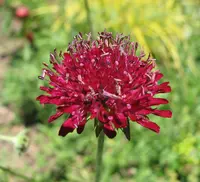
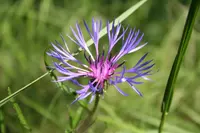
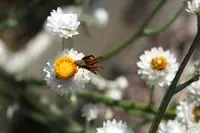
Centaurea lugdunensis is a small, clump-forming perennial from the Mediterranean region, related to knapweeds. It typically forms low mounds of narrow, gray-green foliage. In season it produces thistle-like flower heads, often in shades of lilac or purple, held on slender stems above the leaves. Plants usually have a tidy, compact habit that suits rock gardens, sunny borders, and dry slopes.

This species is adapted to bright light, relatively poor, well-drained soils, and moderate to low moisture, which can make it easier to manage in dry, sunny sites. Gardeners who want to know how to care for Centaurea lugdunensis mainly need to focus on drainage and avoiding heavy, wet ground.

Main Plant Requirements

Care Difficulty

Moderate Care

Light Preference

Full Sun

Water Requirements

Moderate Water

Temperature Preference

Cool Climate

Hardiness Zone

5–8

Soil Texture

Sandy, Loamy, Rocky

Soil pH

Slightly acidic (6.5–7.0), Neutral (7.0)

Soil Drainage

Well-drained

Fertilization

Minimal (feed rarely)

Get Personalized Care Plan

Scan your plant to receive care tips personalized for your specific plant

Available on iOS and Android

How to Care for the Centaurea lugdunensis

This sun-loving perennial thrives in open, bright positions typical of dry, rocky gardens.

  • Provide 6–8 hours of direct sun daily; morning to early afternoon sun is ideal for compact growth and abundant flowers.
  • Tolerates light partial shade, especially in hot climates where protection from intense late-afternoon sun reduces leaf scorch and stress.
  • In cloudy or short-day seasons, choose the brightest site available; weak, floppy stems and sparse blooms signal that Centaurea lugdunensis is not receiving enough light.

This species prefers slightly dry conditions and is sensitive to prolonged soil saturation.

  • Allow the top 3–5 cm of soil to dry before watering; in well-drained ground this often means deep, infrequent watering guided by touch rather than a fixed schedule.
  • Use gritty, fast-draining soil so water runs freely from the root zone; pooling water or a sour smell indicates poor drainage and risks root rot.
  • Reduce watering in cool seasons once growth slows; wilting with dry, pale soil suggests underwatering, while yellowing, soft stems with damp soil suggest overwatering.

This hardy perennial copes well with temperate climates that have cool winters and warm summers.

  • Supports active growth in 60–75°F (16–24°C); flowering and overall vigor are best when summer highs stay below about 85°F (29°C).
  • Tolerates winter lows near 10–15°F (-12–-9°C) once established, but young plants benefit from mulch protection in colder regions.
  • Handles short warm spells up to around 90°F (32°C) if soil is not waterlogged; during heat, avoid additional stress from reflected heat next to walls or paving.

This species tolerates a wide humidity range and does not usually need special humidity management.

  • Ideal humidity is around 30–60%, similar to most outdoor and indoor environments in temperate regions.
  • Plants handle dry air well, but prolonged humidity below 25% may cause slightly crisper leaf edges and slower growth.
  • If air is very dry, placing pots near other plants or on a shallow pebble tray with water can gently raise local humidity.

This plant prefers mineral, free-draining soil that never stays waterlogged.

  • Use a lean, gritty mix such as 50–60% sandy loam with 40–50% mineral material like coarse sand or fine gravel to keep roots aerated.
  • Aim for slightly alkaline to neutral pH, roughly 7.0–8.0, using lime or crushed limestone if the native soil is very acidic.
  • Add only a small amount of compost, about 10–20%, to avoid overly rich, moisture-retentive conditions that encourage weak, floppy growth.
  • Avoid heavy clay, peat-heavy mixes, or spots where water collects, since poor drainage greatly increases the risk of root rot.

This species can grow successfully in containers if drainage and root space are managed carefully.

  • Choose a deep, heavy pot so the developing root system has room while the weight prevents the plant from tipping in strong wind.
  • Select unglazed terracotta if the climate is wet, as its porous walls help excess moisture evaporate from the root zone.
  • Raise the container on pot feet or bricks so water exits quickly from drainage holes and does not reabsorb from a wet patio surface.

This drought-tolerant perennial from nutrient-poor habitats needs only light feeding in cultivation.

  • Use a balanced, low-dose fertilizer (around 5-5-5) or a small amount of well-rotted compost in spring.
  • Apply once at the start of active growth; a second light feed in midseason is enough for Centaurea lugdunensis.
  • Dilute liquid products to 50% strength to avoid soft, floppy growth and salt buildup.
  • Stop feeding in late summer so shoots harden before winter and roots stay compact.

Thoughtful pruning keeps Centaurea lugdunensis compact and prolongs flowering.

  • Deadhead spent flower stalks through summer using clean hand pruners to encourage new blooms.
  • In late winter or very early spring, cut back dead or winter-damaged stems to a low basal clump.
  • Thin out weak or crowded shoots at the base to improve air flow and reduce fungal issues.
  • Disinfect tools before and after use to limit disease spread between plants.

This species is better suited to open ground than long-term container culture, so transplanting is more common than repotting.

  • Transplant in early spring or early fall when temperatures are mild and soil is workable.
  • Move plants only when growth is slow, roots circle the pot, or the crown has clearly outgrown its space.
  • Lift with a wide root ball, keep soil around the roots, and replant at the same depth in well-drained soil.
  • Water thoroughly after transplanting, then keep soil just moist for 1–2 weeks to reduce root stress.

Gardeners typically renew Centaurea lugdunensis using either division or seeds.

  • Divide established clumps in early spring, slicing the crown into firm sections with healthy buds.
  • Replant divisions immediately into well-drained soil, watering lightly until new growth resumes.
  • Sow seeds in trays or directly outdoors in spring, covering lightly and keeping evenly moist until germination.
  • Provide full sun and good air circulation for young plants to develop strong, compact growth.

This hardy perennial tolerates typical temperate winters with minimal intervention once established.

  • Mature plants handle light to moderate frost if soil drains well and crowns are not waterlogged.
  • In colder regions, add a 3–5 cm layer of mulch around the root zone after the ground cools.
  • For container specimens, move pots to a sheltered, unheated area to limit freeze–thaw stress.

Care Tips

Support in windy sites

In exposed or windy beds, place low, unobtrusive ring supports or short stakes around young plants in early spring to keep the stems upright and reduce snapping during storms.

Deadhead with precision

Remove spent flower heads as soon as petals fade by cutting back to just above a strong leaf joint, which limits self-seeding and channels energy into new buds instead of seed production.

Thin self-sown seedlings

If plants readily self-seed, thin the volunteer seedlings to 20–25 cm spacing while they are still small so that remaining plants develop stronger root systems and larger flowering stems.

Improve drainage in heavy soil

In clay or compacted ground, create a slightly raised ridge or mound and mix in coarse mineral material such as grit or small gravel in the planting zone to prevent crown rot and winter losses.

Plan for short lifespan

Treat plants as short-lived perennials by collecting seed from the healthiest individuals and re-sowing yearly in small nursery rows, so a fresh cohort is ready to replace older, declining clumps and simplify caring for Centaurea lugdunensis over time.

Common Pests and Diseases

Powdery mildew

This disease causes a white, powdery coating on leaves, stems, and flower buds, often appearing in warm, dry weather with poor air movement. Symptoms include distorted growth and reduced flowering if infection is heavy.

Solution

Remove and dispose of heavily infected leaves and spent stems, then thin surrounding vegetation to improve airflow. Avoid overhead watering, water at the base in the morning, and, if needed, apply a sulfur or potassium bicarbonate fungicide labeled for ornamentals at the first signs of infection, repeating as directed during humid periods.

Leaf spot

This disease produces small brown to purplish spots on foliage that may merge into larger blotches, causing premature yellowing and leaf drop. Symptoms include a patchy, tired-looking plant canopy, especially after cool, wet weather.

Solution

Cut off and discard affected leaves and any dead basal foliage, keeping the crown area clear of debris. Water at soil level, avoid wetting the leaves, and in persistent cases use a copper- or chlorothalonil-based fungicide according to label directions to protect new growth.

Downy mildew

This disease shows as pale or yellow angular patches on upper leaf surfaces with a grayish, fuzzy growth underneath in humid, cool conditions. Symptoms include stunted shoots and a general decline in vigor if the infection is not managed.

Solution

Improve air circulation by spacing plants properly and removing dense surrounding growth, and avoid overhead irrigation late in the day. Remove and destroy infected leaves, and when conditions favor disease, protect foliage with a phosphonate or copper fungicide labeled for downy mildew, following the recommended spray interval.

Aphids

These insects feed on young shoots and flower stems, causing curling, distortion, and sticky honeydew that can lead to sooty mold. This pest often clusters on tender growth and undersides of leaves, especially in spring and early summer.

Solution

Spray infested stems and leaves with a firm stream of water to dislodge colonies, and remove heavily infested shoot tips. If populations persist, apply insecticidal soap or a horticultural oil, coating undersides of leaves thoroughly and repeating as needed while beneficial insects such as lady beetles are preserved where possible.

Leaf-mining larvae

This pest creates pale, winding tunnels within the leaves, which can reduce photosynthesis and make foliage look unsightly. Symptoms include serpentine tracks that eventually dry out and turn brown.

Solution

Pinch off and dispose of mined leaves as soon as tunnels appear to remove larvae before they mature. Keep plants well watered but not soggy to support recovery, and in severe recurring cases consider using a systemic insecticide labeled for leaf miners on ornamental perennials, applied according to timing and safety instructions for growing Centaurea lugdunensis.

Interesting Facts

Narrow southwestern range

This species is native to a limited area in southwestern Europe, mainly in parts of France and nearby regions, where it grows in dry, open habitats such as rocky grasslands and light scrub.

Preference for calcareous soils

It is typically associated with calcareous substrates, meaning it favors limestone-derived, alkaline soils and is often found on rocky or shallow soils where many less specialized plants struggle.

Member of the knapweed group

This plant belongs to a complex group of knapweeds within the Asteraceae, and its identification in the field often relies on detailed floral and bract characters that distinguish it from closely related Centaurea species.

FAQs about Centaurea lugdunensis

This species is usually very attractive to bees and other pollinating insects due to its nectar-rich composite flower heads. Planting several together can enhance pollinator activity and support local biodiversity in a low-maintenance way.

Grow Healthy Plants with Botan Care

Keep your plants happy and healthy with plant identification, disease detection, and easy care guidance.

Botan plant care app — identify plants on mobile

Explore More Plants