Staggered Succession Sowing
Sow small batches every 2–3 weeks in late spring and early summer to extend the flowering window and ensure a continuous supply of fresh blooms for cutting or drying.

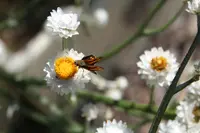
Winged everlasting daisy, Ammobium alatum, is a short-lived perennial usually grown as an annual, valued for its papery, long-lasting white flower heads. It forms slender, branching stems with narrow grey-green leaves and small yellow centers that dry well for arrangements.
This species is native to southeastern Australia, where it grows in open, sunny grasslands and disturbed sites. It tends to be easy to establish from seed and adapts well to poor or moderately fertile soils.
Its drought tolerance and resilience to light wind make it suitable for low-maintenance borders and cutting gardens. Those learning how to care for Winged Everlasting Daisy only need to provide sun, reasonably drained soil, and avoid waterlogged conditions.

Care Difficulty
Easy Care

Light Preference
Full Sun

Water Requirements
Moderate Water

Temperature Preference
Warm Climate

Hardiness Zone
8–10

Soil Texture
Sandy, Loamy, Organic-rich

Soil pH
Acidic (5.5–6.5), Slightly acidic (6.5–7.0)

Soil Drainage
Well-drained

Fertilization
Minimal (feed rarely)
Scan your plant to receive care tips personalized for your specific plant
Available on iOS and Android
This sun-loving annual needs bright, direct light to flower well outdoors.
This drought-tolerant annual prefers infrequent, deep watering in free-draining soil.
This plant grows best in mild to warm conditions and dislikes frost.
Ammobium alatum prefers relatively dry air and usually does not need special humidity control indoors or outdoors.
This species needs light, well-drained soil that mimics its naturally dry habitats.
This species is suitable for container growing, especially in sunny, well-drained positions.
This annual tolerates lean soil but moderate feeding supports stronger stems and flowering when growing Winged Everlasting Daisy in containers or nutrient-poor beds.
Light pruning keeps Ammobium alatum blooming well and prevents the plants from becoming straggly.
This plant is usually grown as an annual in beds, so transplanting young starts correctly matters more than long-term repotting.
Most gardeners increase this species from seed, which offers reliable results for Ammobium alatum care.
This annual typically dies back with hard frost and does not need elaborate winter care.

Plant Health Check
Not sure what's wrong with your plant? Check your plant's health inside the app.
The species name alatum refers to the distinctive winged ridges running along its stems, which increase surface area and help the plant stay upright in windy, open habitats.
The white “petals” are actually stiff, papery bracts surrounding a yellow disc of true florets, an adaptation that allows the flower heads to dry naturally and retain shape and color for a long time.
In its native range of southeastern Australia, this plant typically occupies disturbed, dry grasslands and open sites, showing strong tolerance for poor, shallow, and seasonally dry soils.

The papery flower heads of this species are highly valued in the cut-flower and dried-flower trade, and for this reason the plant has been widely grown beyond its natural Australian range, sometimes naturalizing along roadsides and waste ground in other mild-climate regions.
This species is usually grown as a short-lived annual, flowering heavily in its first season from seed. In mild, well-drained sites it can sometimes behave as a short-lived perennial or self-seed to reappear in following years.
Keep your plants happy and healthy with plant identification, disease detection, and easy care guidance.