Autumn Snowflake Care (Acis autumnalis)

Autumn Snowflake

About Autumn Snowflake

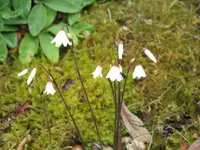
Autumn snowflake, Acis autumnalis, is a small bulbous perennial known for its delicate, nodding white flowers that appear on slender stems in late summer to autumn. The fine, grass-like leaves create a light, airy look around the blooms.

This species is native to the western Mediterranean, where it grows in open, often rocky habitats with dry summers and cooler, wetter winters. It tends to naturalize in suitable conditions, forming loose clumps rather than dense carpets.

The plant stays compact and is generally considered undemanding if given well-drained soil and good light, making it suitable for rock gardens, gravel beds, or pots. Those who want to learn how to care for Autumn Snowflake should focus mainly on drainage and avoiding excessive summer moisture.

Main Plant Requirements

Care Difficulty

Moderate Care

Light Preference

Full Sun

Water Requirements

Moderate Water

Temperature Preference

Cool Climate

Hardiness Zone

6–9

Soil Texture

Sandy, Loamy, Rocky

Soil pH

Acidic (5.5–6.5), Slightly acidic (6.5–7.0)

Soil Drainage

Well-drained

Fertilization

Minimal (feed rarely)

Get Personalized Care Plan

Scan your plant to receive care tips personalized for your specific plant

Available on iOS and Android

How to Care for the Autumn Snowflake

This small autumn-flowering bulb prefers bright, cool conditions with gentle sun exposure.

  • Provide 4–6 hours of sun, ideally morning sun with light afternoon shade, especially in warmer climates.
  • Plant Autumn Snowflake where it receives dappled or filtered light in the hottest part of the day to prevent leaf scorch.
  • In regions with dull summers, choose an open, unobstructed site; in very hot areas, afternoon shade helps maintain flowering quality.

This bulb prefers moisture during active growth but dislikes sitting in wet soil.

  • Water when the top 3–5 cm of soil feel dry during its growing season, then reduce as foliage starts to yellow.
  • Use well-drained, gritty soil so water runs through quickly, which helps prevent bulb rot and fungal problems in Acis autumnalis.
  • Signs of overwatering include soft, collapsing bulbs; dry, papery leaves that flop early signal the plant has been kept too dry.

This species is adapted to mild, Mediterranean-type climates with cool, damp winters and warm, dry summers.

  • Active growth is best at 45–65°F (7–18°C); flowering often improves after a cool, moist winter period.
  • Established bulbs tolerate short drops to about 20°F (−6°C) if soil drains well, but prolonged frozen, saturated ground can cause rot.
  • In summer dormancy, bulbs handle 75–90°F (24–32°C) if soil stays relatively dry and mulched to limit extreme heat swings.

This bulb is tolerant of typical indoor humidity and rarely needs special adjustment.

  • Aim for 30–50% humidity, as Autumn Snowflake naturally handles relatively dry Mediterranean-type air.
  • Dry tips or collapsed, limp foliage may indicate very dry air combined with underwatering rather than humidity alone.
  • If indoor air is extremely dry from heating, place the pot away from vents and group plants to create a slightly moister microclimate.

This species needs loose, sharply drained soil that protects bulbs from standing moisture.

  • Use a sandy or gritty loam with high mineral content and modest organic matter to mimic its native Mediterranean-type soils.
  • Mix roughly 50–60% sandy loam or potting soil with 40–50% coarse grit, pumice, or perlite to increase drainage and aeration around bulbs.
  • Maintain slightly acidic to neutral pH, around 6.0–7.0, which suits Acis autumnalis and supports balanced nutrient uptake.
  • Avoid heavy clay, compacted ground, or sites where water pools in winter, as prolonged saturation encourages bulb and root rot.

This small bulb is well suited to container growing outdoors or in cold frames.

  • Choose a pot at least 15–20 cm deep so bulbs can sit at the correct depth with room for offsets to develop below.
  • Use a terracotta or other porous pot to let excess moisture evaporate more quickly than in plastic containers.
  • Elevate the container on feet or bricks so drainage holes stay clear and water cannot collect under the base after rain or watering.

Acis autumnalis is a small bulb that needs only light feeding to flower well in garden soils.

  • Use a balanced, diluted liquid fertilizer (for example 10-10-10 at 1/4–1/2 strength) or a fine compost top-dressing.
  • Feed once at the start of active growth and again mid-season if foliage remains vigorous.
  • Avoid fertilizing during summer dormancy or in winter, as resting bulbs are sensitive to excess nutrients.
  • In containers, use a low-dose slow-release bulb fertilizer mixed into the top layer of the potting medium.

Pruning needs for Acis autumnalis are minimal and focus on keeping the bulbs healthy rather than shaping.

  • Cut back spent flower stalks at the base after blooming using clean, sharp scissors or snips.
  • Leave green foliage intact until it yellows and dries, so the bulbs can recharge for next season’s flowering.
  • Remove only dead, diseased, or badly damaged leaves to limit rot and maintain good air circulation.
  • Avoid heavy cutting or trimming in active growth, which can reduce flowering in the following season.

This small bulb is usually left undisturbed, but gentle transplanting helps maintain healthy clumps over time.

  • Transplant when flowering declines, clumps become crowded, or bulbs push to the soil surface.
  • Plan moves for late summer to early autumn, during dormancy, so roots experience less stress.
  • Divide and transplant every 4–6 years, lifting bulbs carefully with a fork or trowel.
  • Replant bulbs at the same depth in well-drained soil and water lightly once to settle them in.

Propagation of Acis autumnalis is most reliable by dividing dormant bulbs, with seed used mainly for patient growers.

  • Lift and divide clumps in late summer to early autumn, separating offsets with minimal damage.
  • Replant offsets at the same depth, spacing them 5–10 cm apart in free-draining soil.
  • For seeds, sow fresh in pots outdoors, allowing natural winter chilling to break dormancy.
  • Keep seed pots evenly moist, not waterlogged, and expect slow, multi-year development to flowering size.

This bulb is fairly cold hardy in mild to moderate climates and usually needs only basic winter care outdoors.

  • Tolerates light frosts; in areas colder than USDA zone 7, apply a 5–8 cm mulch over the bulb zone.
  • Use dry, airy mulch such as shredded leaves or straw to insulate without trapping excess moisture.
  • In containers, move pots to a sheltered, frost-free but cool spot to prevent deep freezing of the root ball.

Care Tips

Mark Dormant Clumps

Place small labels or discreet gravel markers where bulbs are planted so you do not accidentally dig them up or overplant the area when the foliage has died back in summer.

Use Open Companions

Combine with low, shallow-rooted perennials or fine-textured groundcovers so the site stays attractive without heavy root competition or deep shade over the bulbs.

Dry-Summer Protection

In regions with unexpected summer irrigation, create a slightly raised, free-draining pocket or rockery so bulbs avoid waterlogged conditions during dormancy.

Staggered Bulb Lifting

If clumps become crowded, lift and divide only a portion of the bulbs each year to maintain flowering while gradually rejuvenating the planting.

Fine-Grit Topdressing

Apply a thin 0.5–1 cm layer of horticultural grit around the planting to keep the necks of the bulbs dry, reduce moss growth, and make monitoring for pests easier when caring for Autumn Snowflake.

Common Pests and Diseases

Bulb mites

This pest attacks stored or in-ground bulbs, feeding on the basal plate and inner scales, which weakens growth and can prevent sprouting.

Solution

Discard badly softened or collapsing bulbs, then dry and cure healthy ones before storage and keep them in clean, well-ventilated, relatively dry conditions. For active infestations in pots or beds, remove affected bulbs, brush off old soil and debris, and replant into fresh, free-draining medium, using clean containers and tools to reduce reinfestation and support stable Acis autumnalis care.

Narcissus bulb fly

This pest lays eggs at the base of bulbs; the larvae tunnel inside, causing hollow bulbs, weak shoots, or complete failure to emerge.

Solution

Lift and inspect bulbs that fail to sprout or show sudden collapse, discarding any that are hollow or rotten. In outdoor plantings, cover beds with fine mesh just after flowering and during summer to exclude adult flies, and replant only firm, sound bulbs at the correct depth to reduce access points.

Basal plate rot

This disease causes soft, brown decay starting at the base of the bulb, often accompanied by poor or stunted growth and yellowing foliage.

Solution

Remove and discard all bulbs showing soft, discolored basal tissue, and never compost them. Replant only firm bulbs into sharply draining soil or mix, avoid overwatering during dormancy, and rotate planting spots so bulbs are not repeatedly grown in the same infected ground.

Grey mold (Botrytis)

This disease produces soft, water-soaked spots on leaves or flower stalks that may develop fuzzy grey spores in cool, damp conditions.

Solution

Cut off and dispose of all affected foliage and spent flowers, then improve air circulation and avoid overhead watering, especially in cool weather. In areas with regular outbreaks, provide a more open planting position, space bulbs adequately, and keep dead plant debris away from the crowns and bulbs.

Interesting Facts

Autumn flowering bulb

This small bulbous plant naturally flowers in late summer to early autumn, unlike many related snowflake species that bloom in spring. Its white, nodding, bell-shaped flowers appear as surrounding Mediterranean vegetation begins to dry and fade.

Mediterranean microhabitat specialist

Acis autumnalis is native to western Mediterranean regions such as Portugal and Spain, where it often grows in open, seasonally dry, rocky or sandy sites that receive winter rain and hot, dry summers. The bulbs use this climate pattern to time their growth and dormancy cycles.

Subtle pink coloration

Although commonly described as white-flowered, many forms of this species show a pale pink flush on the outer tepals, especially as the flowers age or in strong light. This tint can help distinguish it from some similar, pure-white bulb species in the Amaryllidaceae family.

Botan icon

Did you know?

This species was long included in the genus Leucojum and was only moved to Acis after detailed morphological and molecular studies showed that the small, delicate autumn snowflakes form a distinct evolutionary lineage within the Amaryllidaceae family.

FAQs about Autumn Snowflake

Lack of flowers usually comes from insufficient summer rest, planting too deeply, or bulbs that are still immature. Ensure a dry, warm summer dormancy, avoid overwatering during rest, and allow a few seasons for strong bulbs to develop when growing Autumn Snowflake.

Grow Healthy Plants with Botan Care

Keep your plants happy and healthy with plant identification, disease detection, and easy care guidance.


Botan plant care app — identify plants on mobile

Explore More Plants