Dwarf Pineapple Lily Care (Eucomis humilis)

Dwarf Pineapple Lily

About Dwarf Pineapple Lily

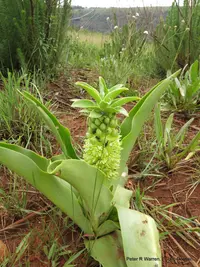
Dwarf pineapple lily (Eucomis humilis) is a compact bulbous perennial grown for its unusual flower spikes that resemble tiny pineapples topped with a tuft of leafy bracts. It forms low rosettes of fleshy, strap-shaped leaves and sends up sturdy stems with dense clusters of starry flowers in late summer.

This species comes from rocky grasslands and open slopes in southern Africa, where it experiences dry winters and warm, rainy summers. Its small size makes it suitable for pots, rock gardens, and the front of borders.

The plant is generally straightforward for gardeners who understand how to care for Dwarf Pineapple Lily, provided it receives bright light, free-draining soil, and protection from prolonged cold and waterlogged conditions.

Main Plant Requirements

Care Difficulty

Moderate Care

Light Preference

Full Sun

Water Requirements

Moderate Water

Temperature Preference

Warm Climate

Hardiness Zone

7–9

Soil Texture

Sandy, Loamy, Organic-rich

Soil pH

Acidic (5.5–6.5), Slightly acidic (6.5–7.0)

Soil Drainage

Well-drained

Fertilization

Light (every 4–6 weeks)

Get Personalized Care Plan

Scan your plant to receive care tips personalized for your specific plant

Available on iOS and Android

How to Care for the Dwarf Pineapple Lily

Eucomis humilis grows best with bright, direct sun for strong, compact foliage and flowering.

  • Provide 6–8 hours of sun daily, ideally full morning sun with some light afternoon shade in hotter regions to prevent leaf scorch.
  • The plant tolerates light or partial shade (around 3–4 hours of direct sun), but flowering of Dwarf Pineapple Lily becomes sparser and stems may stretch.
  • In cooler climates, a full-sun position is ideal; in very hot summers, use filtered light or dappled shade during the hottest midday hours.

Eucomis humilis prefers steadily moist but not waterlogged soil during active growth.

  • Water when the top 3–5 cm of soil feels dry, ensuring excess water can drain freely to protect the bulb from rot.
  • During spring and summer, maintain moderate moisture; wrinkling leaves or drooping flower stems suggest underwatering, while yellowing, soft bases indicate overwatering.
  • Reduce watering sharply once foliage dies back in autumn, keeping the soil just barely dry to slightly moist while the bulb rests over winter.

This species favors warm, stable conditions during the growing season and does not tolerate hard frost.

  • Aim for 65–80°F (18–27°C) during active growth for best leaf and flower development.
  • The bulbs are damaged below about 25°F (-4°C); in regions colder than this, lift and store them frost-free or provide heavy mulch and excellent drainage.
  • Eucomis humilis handles short heat waves up to 90°F (32°C) if soil moisture is maintained and the plant is shielded from reflected or intense late-afternoon heat.

This species handles typical indoor humidity well and rarely needs special adjustment.

  • Target 30–50% humidity; values slightly above or below are usually tolerated without issue.
  • Dry air may cause leaf tips to brown and flower spikes to fade faster, but bulbs remain unharmed if watering is correct.
  • To boost humidity in very dry rooms, place the pot on a pebble tray with water below the pot base rather than misting foliage.

Eucomis humilis prefers loose, fast-draining, moderately fertile soil that never stays waterlogged.

  • Use a mix of roughly 50% peat-free potting mix or loam-based compost, 25% coarse sand, and 25% perlite or fine grit for strong drainage.
  • Aim for slightly acidic to neutral pH, about 6.0–7.0, which supports nutrient availability and healthy bulb development.
  • Improve aeration by avoiding compaction; gently firm the soil around bulbs instead of pressing hard or tamping vigorously.
  • Avoid heavy clay or mixes high in unamended garden soil, which hold excess water and increase the risk of bulb rot.

This bulb is well suited to container growing outdoors on patios, balconies, or small garden spaces.

  • Choose a pot at least 20–25 cm deep so bulbs can sit 5–10 cm below the surface with space for root growth beneath.
  • Use a heavier or wide-based container to counterbalance the tall flower spikes and reduce the risk of pots toppling in wind.
  • Select terracotta or another porous material if conditions are wet, as this helps moisture evaporate and reduces prolonged saturation around the bulbs.

Eucomis humilis benefits from light, targeted feeding during active growth but does not need heavy fertilization.

  • Use a balanced liquid fertilizer (around 10-10-10 or 20-20-20) at 1/2 strength every 3–4 weeks in spring and summer.
  • Alternatively, apply a thin layer of compost or a low-dose slow-release bulb fertilizer at the start of growth.
  • Stop feeding once foliage begins to yellow and the plant approaches dormancy in fall or early winter.
  • Ensure soil is moist, not dry, before applying any fertilizer to avoid root burn in Dwarf Pineapple Lily.

Pruning Eucomis humilis is simple and mainly focused on tidiness and flower performance.

  • In late summer or early fall, remove spent flower spikes at the base to keep the plant neat and redirect energy to the bulb.
  • Trim yellowing or damaged leaves with clean, sharp scissors or pruners to reduce disease risk.
  • Avoid cutting healthy green foliage during the growing season, as it supports bulb strength for next year.
  • At season’s end, allow leaves to die back naturally, then clear away dry foliage to keep the crown clean.

This bulbous plant prefers infrequent disturbance, so repot or transplant Eucomis humilis only when clearly needed.

  • Check for roots circling the pot, bulbs pressing against the container, or reduced flowering as signs it needs more space.
  • Plan repotting or transplanting in late winter to early spring, before new growth starts, about every 3–4 years.
  • Choose a pot just 2–5 cm wider with free-draining mix, replant bulbs at the same depth, and water lightly to settle soil.
  • Handle bulbs gently, avoid breaking roots, and keep the plant shaded and evenly moist for 1–2 weeks to reduce transplant shock.

Eucomis humilis is most reliably propagated by bulb division, with seeds used mainly for patient growers or breeding.

  • Divide mature clumps in late winter or early spring, separating healthy bulbs and offsets with clean tools.
  • Replant divisions into well-drained soil, placing bulbs at the same depth and spacing them 10–15 cm apart.
  • Keep the medium just moist and warm (around 65–75°F) until strong new roots and shoots form.
  • For seed propagation, sow fresh seed on the surface of a gritty mix, keep lightly moist, and expect variable, slower results.

In mild climates Eucomis humilis can overwinter outdoors, but bulbs need protection where winters are cold or very wet.

  • In USDA zones around 7–8, apply a 5–8 cm layer of dry mulch over the dormant crown after foliage dies back.
  • In colder zones or wet winter areas, lift bulbs in fall, dry them, and store in a cool, frost-free place.
  • Move container plants indoors or into a sheltered, unheated space before temperatures drop below freezing.

Care Tips

Bulb lifting timing

In colder zones (below USDA 8), lift bulbs only after the foliage has fully yellowed, then dry them for 3–5 days in a shaded, airy place before storing in slightly dry peat or vermiculite for winter.

Container weight control

Use a wide, relatively heavy pot or add a top dressing of gravel around the bulbs in containers to stabilize the plant’s tall flower spikes against wind and accidental knocks.

Targeted deadheading

Once the flower spike fades but before seeds mature, cut the spike off low at the stem to conserve energy for next year’s bulb performance while leaving healthy leaves intact.

Bulb spacing for offsets

When replanting, space bulbs 10–15 cm apart and sit them just below the soil surface so offsets can form and be divided every 3–4 years to keep clumps vigorous and manageable.

Early season pest check

From early spring, inspect the emerging rosettes weekly for slug and snail damage and use barriers or hand-picking at that stage, as early protection greatly improves success when growing Dwarf Pineapple Lily.

Common Pests and Diseases

Narcissus bulb fly

This pest targets bulbs, where larvae tunnel inside and hollow them out, causing weak growth, yellowing leaves, and eventual collapse of the plant.

Solution

Lift suspect bulbs and inspect for soft, brown, or hollow centers; discard any infested bulbs. Use fine mesh or fleece over outdoor containers in spring to prevent egg-laying, and only replant firm, healthy bulbs in well-drained soil.

Slugs and snails

These pests chew irregular holes in leaves and flower spikes, often leaving slime trails and damaging emerging growth at soil level.

Solution

Hand-pick after dark, use copper tape around pots, and place slug traps or iron phosphate bait away from children and pets. Keep the area around the plant clear of dense mulch and debris to reduce hiding spots.

Basal plate rot

This disease begins at the base of the bulb where roots attach, leading to soft, brown, foul-smelling tissue and poor or absent sprouting.

Solution

Remove and discard affected bulbs and do not compost them. Replant only firm bulbs in sharply drained soil or a gritty potting mix, avoid overwatering, and rotate planting sites to reduce pathogen buildup.

Leaf spot

This disease causes small brown or purple lesions on leaves that may enlarge and merge, leading to premature yellowing and reduced vigor.

Solution

Remove and dispose of affected leaves to reduce inoculum, and avoid wetting foliage when watering. Improve airflow around plants and, if spread continues, apply a labeled ornamental bulb fungicide according to Eucomis humilis care instructions.

Interesting Facts

Compact alpine origin

This species is native to montane grasslands and rocky slopes of the Drakensberg region in South Africa, where it grows as a small, compact bulb adapted to cool, well-drained conditions.

Short, dense flower spikes

Unlike taller Eucomis species, it produces relatively low, crowded flower spikes, often only 15–25 cm tall, with starry greenish to purple-tinged flowers topped by a tight rosette of bracts that resemble a miniature pineapple crown.

Cold-tolerant for the genus

E. humilis is among the more cold-tolerant Eucomis species and can survive brief light frosts if the bulb is well mulched and soil drainage is excellent, which makes it useful in cooler temperate gardens compared with many of its relatives.

Botan icon

Did you know?

Eucomis humilis has been selected and bred into several dwarf ornamental forms, such as Eucomis humilis 'Pixie', that retain the species’ compact habit while offering more intense purple leaf and flower coloration, making them especially suited to container displays and rock gardens.

FAQs about Dwarf Pineapple Lily

This species usually flowers in mid to late summer, depending on climate and planting time. Individual flower spikes often look good for 3–6 weeks, with the decorative seed heads extending overall display even longer.

Grow Healthy Plants with Botan Care

Keep your plants happy and healthy with plant identification, disease detection, and easy care guidance.

Botan plant care app — identify plants on mobile

Explore More Plants