Divide Clumps Regularly
Lift and divide crowded rhizomes every 2–3 years in late spring, replanting only the firm, healthy sections to keep growth vigorous and reduce fungal problems in the center of old clumps.

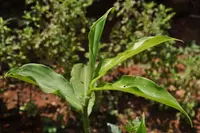
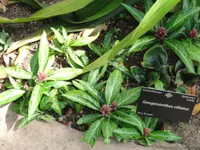
Chamaecostus cuspidatus, often called fiery costus or spiral flag, is a compact tropical perennial from Brazil. It grows from rhizomes and forms low clumps of lush, lance-shaped leaves on upright, spiraling stems.
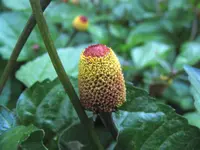
The plant is known for its bright orange, cone-like flower spikes that appear near the tips of the shoots, giving a strong color accent in warm months. It is often grown as an ornamental in tropical gardens or as a container plant in warm, sheltered spots.
In cultivation, it prefers warm temperatures, consistent moisture, and rich, well-drained soil, which makes it relatively easy to manage in suitable conditions. Understanding how to care for fiery costus mainly involves providing stable warmth, humidity, and protection from cold or drying winds.

Care Difficulty
Moderate Care

Light Preference
Partial Shade

Water Requirements
Keep Soil Moist

Temperature Preference
Tropical / Frost Sensitive

Hardiness Zone
9–11

Soil Texture
Loamy, Organic-rich

Soil pH
Acidic (5.5–6.5), Slightly acidic (6.5–7.0)

Soil Drainage
Moist but well-drained

Fertilization
Light (every 4–6 weeks)
Scan your plant to receive care tips personalized for your specific plant
Available on iOS and Android
This tropical species prefers bright, gentle light similar to open shade at a forest edge.
Chamaecostus cuspidatus prefers consistently moist but not waterlogged soil.
This plant grows best in warm, frost-free conditions typical of a humid subtropical climate.
This species prefers warm, moderately humid air and reacts quickly to very dry conditions.
This plant grows best in loose, moist, organic-rich soil that drains freely but does not dry out too fast.
This species adapts very well to container growing when water and root space are carefully managed.
Chamaecostus cuspidatus benefits from light, consistent feeding during its warm growing season.
Pruning helps maintain compact growth and encourage fresh foliage and flowers on Chamaecostus cuspidatus.
This species forms clumps from rhizomes and benefits from occasional division or repotting when crowded.
Chamaecostus cuspidatus is most often propagated by division or stem cuttings from healthy clumps.
This tropical plant is frost-sensitive and needs protection in climates colder than USDA zone 9.

Plant Health Check
Not sure what's wrong with your plant? Check your plant's health inside the app.
This species was long placed in the ginger family Zingiberaceae but is now classified in Costaceae, reflecting molecular studies that revealed a distinct evolutionary lineage of spiral gingers.
Its broad leaves fold slightly upwards and can reorient with changing light, an example of nyctinasty and phototropism that helps optimize light capture in its understory habitat.
In its native range in Brazil, the fleshy, aril-like tissue on the seeds attracts ants, which carry them away from the parent plant and aid in seed dispersal.

In its native Brazilian habitats, this species often forms dense clonal patches through short rhizomes, creating low understory colonies that can dominate small areas and provide microhabitats for invertebrates and small amphibians.
Lack of blooms often comes from insufficient light, poor nutrition, or the clump being too young or crowded. Provide bright conditions, balanced fertilizer during active growth, and occasionally divide older clumps to restore flowering.
Keep your plants happy and healthy with plant identification, disease detection, and easy care guidance.