


Tank water hygiene
Rinse and refill the central cup with fresh, low-mineral water every 1–2 weeks to prevent bacterial buildup and mosquito larvae, especially in warm rooms.

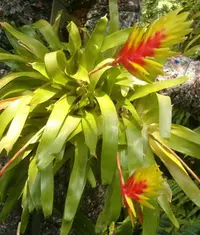
Vriesea carinata is a small to medium bromeliad grown mainly for its colorful, paddle-shaped flower spikes and neat rosette of arching leaves. It is often called a flaming sword type bromeliad due to its bright red or orange bracts that can hold color for many weeks.
In nature it occurs in the Atlantic Forest regions of Brazil, usually as an epiphyte growing on trees in warm, humid environments. The plant forms a central tank that can hold water, which influences how to care for Vriesea carinata in a home setting.
It is generally considered a manageable plant for indoor growers, as long as it receives bright, filtered light, moderate warmth, and consistently moist but not waterlogged conditions.

Care Difficulty
Moderate Care

Light Preference
Bright Indirect Light

Water Requirements
Moderate Water

Temperature Preference
Tropical / Frost Sensitive

Hardiness Zone
11–12

Soil Texture
Loamy, Peaty, Organic-rich

Soil pH
Acidic (5.5–6.5), Slightly acidic (6.5–7.0)

Soil Drainage
Moist but well-drained

Fertilization
Light (every 4–6 weeks)
Scan your plant to receive care tips personalized for your specific plant
Available on iOS and Android
This bromeliad prefers bright, gentle light that mimics filtered tropical sun.
This species needs a lightly moist root zone and a consistently filled central cup, without staying waterlogged.
Stable, warm conditions support healthy growth and flowering.
This bromeliad prefers moderately humid air to keep foliage and rosettes healthy.
Use a loose, airy mix that drains quickly yet holds some moisture around the roots.
This species is well suited to container growing.
Light feeding supports healthy foliage and flowering in Vriesea carinata grown indoors or in containers.
Pruning Vriesea carinata is mainly hygienic, keeping the rosette neat and reducing disease risk.
Repotting Vriesea carinata is infrequent, usually driven by offsets crowding the container rather than root binding.
Propagation of Vriesea carinata is most reliable through offsets, with seed used mainly by experienced growers.
This tropical bromeliad lacks frost tolerance and needs mild, stable conditions during winter in most climates.

Plant Health Check
Not sure what's wrong with your plant? Check your plant's health inside the app.
This species is native to the Atlantic Forest of southern and southeastern Brazil, where it grows as an epiphyte on trees in warm, humid, partially shaded habitats.
The bright red inflorescence has a distinct keel-like or boat-shaped central axis, which inspired the species name carinata, from the Latin carina meaning keel.
Its tubular yellow flowers produce nectar that attracts hummingbirds and certain insects in its native range, contributing to local pollinator networks in forest fragments.

Vriesea carinata was one of the early bromeliads to be widely introduced into European horticulture in the 19th century, helping to establish colorful tank bromeliads as ornamental greenhouse and indoor foliage plants.
Blooming usually occurs once when the rosette is mature, then that rosette slowly dies. Lack of flowering is often due to the plant being too young, stressed from repotting, or kept in conditions that are too cool.
Keep your plants happy and healthy with plant identification, disease detection, and easy care guidance.

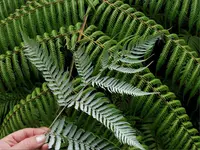
Silver fern
Alsophila tricolor
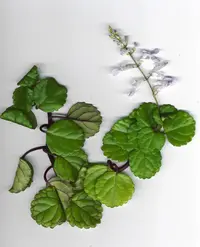
Swedish Ivy
Plectranthus verticillatus
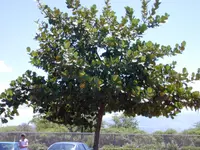 POPULAR
Autograph tree
Clusia rosea
Anacardium spruceanum
Anacardium spruceanum
Red Abyssinian Banana
Ensete ventricosum 'Maurelii'
 POPULAR
Velvet arrowhead
Syngonium wendlandii
Chenille plant
Acalypha hispida
 POPULAR
Mother of Thousands
Kalanchoe daigremontiana