Coleus comosus Care

Coleus comosus

About Coleus comosus

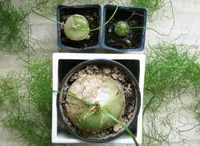
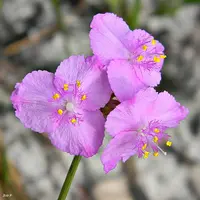
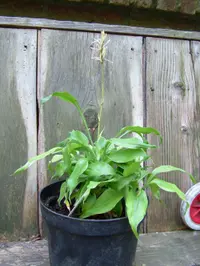
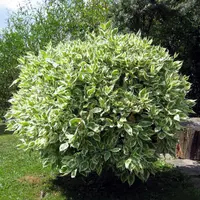
Coleus comosus is an ornamental foliage plant valued for its colorful, patterned leaves and compact, branching habit. It is typically grown as a tender perennial or annual in gardens and containers. Native to tropical regions of Africa and Asia, it prefers warm, humid conditions and does not tolerate frost.

The plant shows varied leaf shapes and contrasting colors, making it useful for borders, mixed plantings, or indoor decoration. It grows relatively fast and responds well to regular pinching, which encourages a fuller shape.

Coleus comosus is generally considered easy to manage if provided with bright, indirect light, evenly moist but not waterlogged soil, and protection from cold drafts. Understanding how to care for Coleus comosus helps maintain dense growth and stable leaf coloration.

Main Plant Requirements

Care Difficulty

Moderate Care

Light Preference

Partial Shade

Water Requirements

Moderate Water

Temperature Preference

Warm Climate

Hardiness Zone

Unknown

Soil Texture

Loamy, Organic-rich

Soil pH

Acidic (5.5–6.5), Slightly acidic (6.5–7.0)

Soil Drainage

Moist but well-drained

Fertilization

Light (every 4–6 weeks)

Get Personalized Care Plan

Scan your plant to receive care tips personalized for your specific plant

Available on iOS and Android

How to Care for the Coleus comosus

This species needs bright, indirect light to keep foliage dense and colorful.

  • Provide 3–5 hours of soft morning sun with dappled or filtered light the rest of the day; protect from harsh midday and afternoon sun, especially in summer.
  • Tolerates partial shade, but in deep shade stems stretch, leaves lose color intensity, and growth becomes sparse over time.
  • Outdoors, position Coleus comosus where nearby trees, pergolas, or shade cloth break direct sun, adjusting exposure seasonally as the sun angle changes.

Watering should keep the soil consistently slightly moist but never waterlogged.

  • Water when the top 2–3 cm of soil feels dry, using enough water so it flows through freely and then allowing excess to drain away fully.
  • In warm, active growth periods, expect to water more often; in cooler months, extend intervals but do not let the root zone dry out completely.
  • Signs of overwatering include yellowing, soft leaves, and a sour soil smell, while dull, drooping foliage and dry, crumbly soil suggest the plant needs water.

Stable, warm temperatures support compact growth and healthy foliage color.

  • Best growth occurs at 65–80°F (18–27°C), where metabolic processes and leaf development remain steady.
  • Below 55°F (13°C), growth slows and leaf damage becomes more likely; brief drops near 40°F (4°C) can cause severe stress or death.
  • This plant tolerates short heat spells up to about 90°F (32°C) if shaded and well hydrated, but it is very sensitive to frost and should be protected from cold snaps.

This species benefits from moderate to slightly high humidity to keep foliage full and turgid.

  • Aim for 50–60% humidity; plants tolerate brief drops near 40% but leaf edges may crisp.
  • Expect thin, drooping leaves and browning tips as signs of humidity stress rather than watering issues.
  • Increase humidity with a nearby pebble tray or clustered plants, rather than misting that can encourage leaf spots.

This plant prefers a light, airy, organic-rich substrate that drains quickly but does not dry out instantly.

  • Use a mix of roughly 50% peat or coco coir, 30% fine bark, and 20% perlite to balance moisture retention and aeration.
  • Aim for slightly acidic to neutral pH around 6.0–7.0, which supports nutrient uptake for Coleus comosus.
  • Improve drainage by avoiding heavy garden soil and by increasing perlite or pumice if water lingers longer than 2–3 days.
  • Avoid compacted or clay-based mixes that stay wet and suffocate roots, which leads to yellowing foliage and stem rot.

This species is well suited to container growing due to its compact root system and ornamental foliage.

  • Choose a pot only 2–3 in wider than the root ball to keep the mix from staying wet for too long.
  • Select a stable, heavier container if the foliage becomes top-heavy to prevent tipping in wind or on balconies.
  • Use a potting container with multiple drainage holes so excess water exits quickly rather than pooling at the base.

Nutrient inputs support compact growth and vivid leaf color in Coleus comosus when grown in containers or poor soils.

  • Use a balanced liquid fertilizer (for example 10-10-10) at 1/4–1/2 strength every 2–4 weeks during the warm growing season.
  • Alternatively, apply a thin layer of mature compost or a low-dose slow-release fertilizer at the start of spring.
  • Always water before applying soluble fertilizer to limit root burn and avoid feeding drought-stressed plants.
  • In late fall and winter, pause or reduce feeding sharply, especially for indoor plants with low light and slow growth.

Thoughtful pruning maintains shape, encourages bushy growth, and removes weak tissue on Coleus comosus.

  • Pinch soft shoot tips in spring and summer to promote branching and denser foliage.
  • Use clean, sharp scissors or pruners to remove dead, damaged, or crossing stems back to a healthy node.
  • Shorten leggy or stretched stems to reshape the plant and improve light penetration into the canopy.
  • Cut spent flower spikes if present to direct energy back into leaf growth rather than seed production.

Container-grown Coleus comosus benefits from periodic repotting or transplanting to maintain healthy roots and growth.

  • Check for roots circling the pot base, emerging from drainage holes, or slowed top growth as signs it needs a larger container.
  • Plan repotting for mid to late spring, every 1–2 years, when active growth resumes and temperatures are stable.
  • Choose a pot 2–5 cm wider with fresh, well-drained mix; gently loosen circling roots without tearing thick roots heavily.
  • Water thoroughly after repotting, keep in bright but indirect light for 3–7 days, and avoid heavy feeding until new growth appears.

New plants of Coleus comosus are commonly raised from softwood cuttings for consistent foliage traits.

  • Take 7–10 cm non-flowering stem cuttings in late spring or early summer from healthy, vigorous shoots.
  • Remove lower leaves, leaving 2–3 pairs at the tip, and place stems in moist, free-draining mix or clean water.
  • Provide bright, indirect light, high humidity, and temperatures around 70–75°F to support fast root initiation.
  • Once roots reach about 2–3 cm, pot cuttings individually, keep evenly moist, and acclimate gradually to stronger light.

Coleus comosus is frost sensitive and needs protection in regions with freezing winters.

  • Move container plants indoors before temperatures drop near 40°F, placing them in bright, indirect light.
  • Reduce watering in winter, keeping the root zone barely moist to prevent rot in cool conditions.
  • In mild climates, use a 5–8 cm mulch layer around outdoor plants to buffer root temperature and conserve moisture.
  • Discard heavily damaged outdoor plants after hard frosts and maintain indoor cuttings as next season’s stock.

Care Tips

Pinch For Bushiness

Regularly pinch out the soft shoot tips every 2–3 weeks during active growth to encourage dense branching and delay flowering, which keeps foliage fuller for longer when growing Coleus comosus.

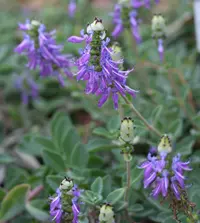
Manage Early Flower Spikes

As soon as you see small flower spikes forming, remove them cleanly with scissors or by pinching to redirect energy into leaf growth and prevent the plant from becoming lanky.

Rotate And Rejuvenate

Rotate the pot by 90° every week and lightly trim the longest stems to prevent one-sided, leaning growth and to keep the plant compact and symmetrical.

Use Short-Term Staking

If stems become top-heavy, insert a thin stake and loosely tie only the weakest shoots for a few weeks to prevent snapping while the plant rebuilds stronger side growth.

Take Seasonal Cuttings

In late summer or early fall, take 7–10 cm tip cuttings, root them in clean water or sterile mix, and pot them up so you have young replacement plants before older specimens decline.

Common Pests and Diseases

Aphids

These insects cluster on tender shoots and leaf undersides, sucking sap and causing curling, distortion, and sticky honeydew. This pest is especially common on soft new growth of Coleus comosus in warm, sheltered spots.

Solution

Rinse stems and leaf undersides with a firm stream of water, then spot-treat remaining clusters with insecticidal soap or a ready-to-use neem oil spray, repeating weekly until controlled. Reduce excess nitrogen fertilization that encourages very soft growth, and check neighboring plants so infestations do not re-establish.

Spider mites

These pests thrive on Coleus comosus foliage in warm, dry air, causing stippled, faded leaves and fine webbing between petioles and stems. Symptoms include dull or bronzed foliage that can drop prematurely if the infestation is heavy.

Solution

Shower the plant thoroughly, focusing on leaf undersides, then apply horticultural oil or insecticidal soap, repeating every 5–7 days for several cycles to catch new hatchlings. Raise local humidity, avoid placing the plant near heating vents, and isolate heavily infested plants to limit spread.

Mealybugs

This pest appears as white, cottony clusters in leaf axils and along stems, where it feeds on sap and weakens the plant. Symptoms include sticky honeydew, distorted growth, and sooty mold developing on coated surfaces.

Solution

Remove visible insects with a cotton swab dipped in 70% isopropyl alcohol, then treat the entire plant with insecticidal soap or neem oil, ensuring good coverage in leaf axils. Inspect regularly for several weeks and prune heavily infested shoots if necessary to protect healthy growth.

Downy mildew

This disease causes pale, yellow patches on the upper leaf surface and a grayish to purplish fungal growth on the underside, especially under cool, humid conditions. Symptoms include leaf curling, browning, and drop that can rapidly thin the plant.

Solution

Remove and discard infected leaves, improve air circulation, and avoid overhead watering so foliage dries quickly. If conditions stay favorable for the pathogen, use a labeled fungicide for downy mildew on ornamentals and space plants so leaves do not stay crowded or constantly damp.

Stem and leaf blight

This disease produces brown, water-soaked lesions on leaves and stems that can enlarge quickly, leading to collapse of shoots in dense, overwatered plantings. Symptoms include blackened, mushy tissue starting at lower or shaded parts of the plant.

Solution

Prune out and discard affected tissues using clean tools, then adjust watering so the soil surface dries slightly between waterings and runoff does not splash onto foliage. Improve airflow around the plant, remove plant debris from the soil surface, and use a preventative ornamental fungicide if blight recurs frequently as part of Coleus comosus care instructions.

Interesting Facts

Taxonomic uncertainty

Coleus comosus is an older name that has been applied inconsistently in horticulture, and in many references it has been merged or confused with other Coleus or Plectranthus species, so up‑to‑date sources often treat it as a synonym rather than a clearly accepted species on its own.

Nomenclature confusion

In plant trade and hobbyist literature, the name has at times been used informally for visually similar variegated Coleus types, which makes it difficult to link published images or care notes to a single, well‑defined botanical taxon.

Limited primary research

Peer‑reviewed botanical studies that focus specifically on C. comosus as a distinct species are scarce, and most scientific work on the group instead addresses broader Coleus or Plectranthus complexes without isolating this name in detail.

FAQs about Coleus comosus

Brown leaf edges usually result from low humidity, excess fertilizer salts, or inconsistent moisture. Check for dry, crispy margins, flush the soil occasionally, and maintain moderate humidity and even watering to stabilize the plant’s condition.

Grow Healthy Plants with Botan Care

Keep your plants happy and healthy with plant identification, disease detection, and easy care guidance.

Botan plant care app — identify plants on mobile

Explore More Plants