Begonia pendula Care

Begonia pendula

About Begonia pendula

Begonia pendula is a tuberous begonia known for its trailing stems and abundant, showy flowers that hang elegantly from baskets or containers. It is often used in shaded patios, balconies, and window boxes for a soft cascading effect.

This species likely originated from humid, subtropical regions and has been widely bred into ornamental forms. Its fleshy stems and tubers store water, which offers some resilience but also makes it sensitive to overwatering and rot.

It prefers bright, indirect light, evenly moist but well-drained soil, and moderate humidity, which together guide how to care for Begonia pendula and keep it vigorous.

Main Plant Requirements

Care Difficulty

Moderate Care

Light Preference

Partial Shade

Water Requirements

Moderate Water

Temperature Preference

Tropical / Frost Sensitive

Hardiness Zone

10–11

Soil Texture

Loamy, Peaty, Organic-rich

Soil pH

Acidic (5.5–6.5)

Soil Drainage

Moist but well-drained

Fertilization

Light (every 4–6 weeks)

Get Personalized Care Plan

Scan your plant to receive care tips personalized for your specific plant

Available on iOS and Android

How to Care for the Begonia pendula

This trailing tuberous begonia prefers bright but gentle light to produce abundant flowers and avoid leaf scorch.

  • Provide 4–6 hours of bright, indirect light daily, with morning sun and afternoon shade; use dappled light under taller plants or a balcony overhang outdoors.
  • Allow partial shade, especially in hot climates; protect from direct midday and afternoon sun, which can cause brown, crispy leaf edges and faded blooms.
  • In summer, move baskets or containers slightly deeper into shade during heatwaves; in low-light seasons, shift Begonia pendula closer to bright windows or open shade to maintain flowering.

Watering should keep the tuber’s surroundings evenly moist but never waterlogged to prevent rot.

  • Before watering, let the top 2–3 cm of soil dry, then water thoroughly so moisture reaches the tuber, allowing excess to drain fully from the basket or bed.
  • During active growth and flowering, expect to water more often in warm, windy weather; reduce frequency in cool or cloudy periods and after flowering as foliage declines.
  • Watch for signs: yellow, mushy stems or a sour smell suggest overwatering and poor drainage; limp, dull leaves and dry, crumbly soil indicate the plant needs water sooner.

This species prefers mild, frost-free conditions with stable temperatures for reliable flowering.

  • Aim for 65–75°F (18–24°C) during active growth; short periods up to 80–85°F (27–29°C) are tolerated if shade and consistent moisture are provided.
  • Protect from cold; growth slows below 55°F (13°C), and tubers can be damaged near 40°F (4°C); avoid any frost exposure by lifting or sheltering plants in cold regions.
  • In hot summers, increase shade and airflow to prevent heat stress, while in cooler seasons, store dormant tubers dry at about 45–55°F (7–13°C) to prepare for another cycle of Begonia pendula care.

This plant benefits from moderate to high air humidity for steady growth and flowering.

  • Aim for 50–70% humidity; it tolerates short dips lower but prolonged very dry air slows growth and crisping of leaf edges.
  • Watch for brown, brittle margins, curling leaves, and bud drop as signs of low humidity stress.
  • Increase humidity with nearby pebble trays, grouping plants, or a room humidifier rather than misting flowers directly.

Begonia pendula prefers a light, airy, organic-rich mix that drains quickly yet holds even moisture.

  • Use a peat- or coco-based potting mix amended with perlite and fine bark to improve aeration and structure.
  • Ensure water drains freely; the mix should feel loose and crumbly, not compacted or sticky after watering.
  • A slightly acidic pH around 5.5–6.5 supports nutrient uptake and helps prevent micronutrient deficiencies.
  • Avoid heavy garden soil, pure compost, or mixes that stay wet for many hours, which encourage root and tuber rot.

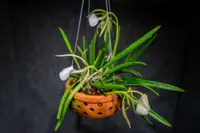
This species is very suitable for containers and hanging baskets due to its trailing, pendulous habit.

  • Choose a wide, shallow container to match the plant’s shallow root system and allow tubers to spread without sitting in deep, wet compost.
  • Use a stable or weighted hanging basket so the trailing stems and flowers do not tip or twist the container in wind.
  • Select slightly porous materials like coir or breathable plastic inserts to balance moisture retention while still allowing the mix to dry moderately between waterings.

Balanced feeding supports flowering and foliage in Begonia pendula without overloading its roots.

  • Use a balanced water-soluble fertilizer (such as 10-10-10 or 20-20-20) diluted to 1/4–1/2 strength for container plants.
  • Feed every 2–3 weeks during the active growing and blooming season, when light and temperatures are stable.
  • Pause or reduce to monthly feeding in fall and winter, or whenever growth slows noticeably.
  • Avoid manure-heavy compost in pots; instead, refresh the top 2–3 cm of mix each spring with light, fine-textured compost.

Thoughtful pruning keeps Begonia pendula compact, tidy, and flowering well.

  • Best time for structural pruning is late winter to early spring, just before strong new growth starts.
  • Use clean, sharp scissors or small pruners to remove dead, diseased, or yellowing stems and leaves at the base.
  • Thin crowded or overly long trailing stems to improve light and air flow, encouraging more branching and blooms.
  • Pinch soft tips lightly during the season to maintain a balanced, cascading shape without heavy cutting.

Begonia pendula grows best in slightly snug containers and only needs occasional repotting.

  • Check for roots circling the pot, pushing out of drainage holes, or for slow growth despite good care as signs to repot.
  • Plan repotting for late winter to early spring, usually every 2–3 years, before the main growth flush.
  • Move to a pot just 2–5 cm wider with fresh, well-draining mix, keeping tubers at the same depth as before.
  • Handle tubers and roots gently, water lightly after repotting, and keep in bright, indirect light to limit transplant stress.

New plants of Begonia pendula are most reliable from tuber division and stem cuttings.

  • Divide healthy tubers in late winter, ensuring each piece has at least 1–2 buds, then plant in fresh, airy mix.
  • Take 7–10 cm non-flowering stem cuttings in late spring or early summer with several leaf nodes.
  • Root cuttings in moist, well-draining medium at 68–75°F with high humidity and bright, indirect light.
  • Keep the medium just barely moist and avoid strong sun until roots form, then pot each new plant individually.

Cold-sensitive Begonia pendula needs protection in regions with frost or freezing temperatures.

  • In USDA zones colder than 9, lift tubers after frost blackens foliage, then dry and store them frost-free at 45–55°F.
  • For container plants, move pots indoors before night temperatures fall below 45°F, into bright, indirect light.
  • In mild climates, apply a 5–8 cm dry mulch layer over in-ground tubers to insulate the root zone from brief chills.
  • Keep stored tubers dry and check periodically, discarding any that become soft or moldy.

Care Tips

Rotate hanging basket

Quarter-turn the basket every 1–2 weeks so all sides receive similar light, which keeps the plant evenly full and prevents one-sided, leggy growth when growing Begonia pendula.

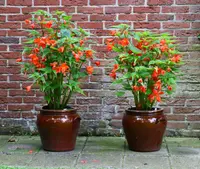
Support heavy stems

As flowered stems elongate, secure them loosely to the basket rim or a lightweight hoop with soft ties to prevent breakage and keep cascades neatly arranged.

Refresh surface medium

Each spring, scrape off the top 2–3 cm of old, compacted mix and replace it with fresh, well-draining medium to improve aeration around the tubers and reduce salt buildup.

Preempt powdery mildew

At the first sign of pale, dusty patches on leaves, improve air movement around the basket, thin out the densest stems, and start a regular fungicide or horticultural sulfur program according to label directions.

Manage tuber dormancy

After foliage dies back, lift or keep the basket in a cool, dry place at 45–55°F, remove loose soil, and store firm tubers in dry peat or vermiculite until replanting in late winter or early spring.

Common Pests and Diseases

Powdery mildew

This disease causes a white, powdery film on leaves, stems, and flower stalks, often starting on older foliage in dense or humid conditions. Symptoms include distorted growth and premature leaf drop if not controlled.

Solution

Increase air circulation around hanging baskets, avoid wetting the foliage, and remove the most affected leaves. Treat remaining growth with a sulfur, potassium bicarbonate, or neem oil spray labeled for ornamentals, repeating as directed and avoiding applications in strong sun or very high heat for safe Begonia pendula care instructions.

Botrytis blight

This disease produces gray, fuzzy mold on flowers, buds, and tender stems, especially in cool, damp, and crowded conditions. Symptoms include brown, water-soaked spots on petals and collapse of flower clusters.

Solution

Immediately remove and discard all faded flowers and any mushy or moldy tissue, and improve air movement by spacing baskets and reducing overhead watering. In persistent cases, use a fungicide labeled for botrytis on ornamentals and keep blooms as dry as possible, especially overnight.

Bacterial leaf spot

This disease causes small, water-soaked, translucent spots on leaves that turn brown or black and may join into larger dead patches. Symptoms include yellowing foliage and rapid spread in warm, wet conditions or where leaves stay wet for long periods.

Solution

Remove and discard affected leaves, avoid splashing water on foliage, and water at the base in the morning so leaves dry quickly. Disinfect cutting tools with 70% alcohol between plants and avoid reusing contaminated pots or trays without thorough cleaning.

Mealybugs

These insects appear as white, cottony clumps on stems, leaf axils, and undersides of leaves, feeding on sap and weakening the plant. Symptoms include sticky honeydew, sooty mold growth, and distorted new shoots.

Solution

Isolate affected plants, then dab visible mealybugs with cotton swabs dipped in 70% isopropyl alcohol and gently wipe infested areas. Follow up with a thorough application of insecticidal soap or neem oil, repeating every 7–10 days until no new insects appear and checking basket rims and hanging hardware where they often hide.

Thrips

These insects are tiny, slender pests that rasp at flower and leaf surfaces, causing silvery streaks, speckling, and deformed blooms. Symptoms include browned petal edges, streaked flowers, and fine black specks of frass on foliage or petals.

Solution

Remove and discard heavily damaged flowers and leaves, then rinse the plant gently to dislodge insects. Use yellow or blue sticky traps to monitor adults and apply insecticidal soap or a spinosad-based product according to label directions, repeating treatments to catch successive generations and reducing nearby weedy host plants outdoors.

Interesting Facts

Natural rock dweller

In its native habitats, Begonia pendula often grows from crevices in rocks or on steep, humus-rich slopes, using its tuber and fibrous roots to anchor in very shallow, fast-draining substrates.

Tubers with storage role

This species forms a fleshy underground tuber that stores water and nutrients, allowing the plant to survive a cool dry rest period and then resprout when conditions improve.

Selected for trailing habit

Horticultural selections of this species have been bred for pronounced pendulous stems and heavy flower production, making them especially suited to hanging baskets and elevated containers.

FAQs about Begonia pendula

Lack of blooms usually comes from low light, excess nitrogen fertilizer, or heat stress. Ensure bright, indirect light, use a balanced fertilizer at low strength, and avoid temperatures above 85°F to support reliable flowering.

Grow Healthy Plants with Botan Care

Keep your plants happy and healthy with plant identification, disease detection, and easy care guidance.

Botan plant care app — identify plants on mobile

Explore More Plants