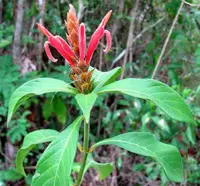
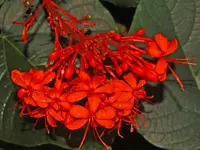
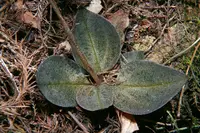
bronze-bells Care (Anticlea occidentalis)

Also known as: western featherbells
bronze-bells

About bronze-bells

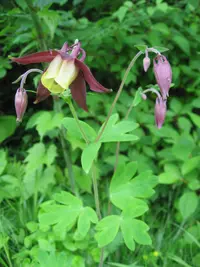
Bronze-bells, Anticlea occidentalis, is a clump-forming perennial wildflower in the bunchflower family, valued for its nodding, bronze-green bell-shaped blooms. It typically grows from bulbs, sending up narrow grass-like leaves and upright flowering stems that give a light, airy look in mixed plantings.

This species is native to western North America, where it occurs in meadows, open woods, and moist mountain slopes. It prefers cool conditions, consistent moisture, and well-drained, humus-rich soil, which can make how to care for bronze-bells slightly more demanding in hotter, drier gardens.

Bronze-bells are best suited to naturalistic plantings, rock gardens, or woodland-style borders rather than high-traffic areas or harsh urban sites.

Main Plant Requirements

Care Difficulty

Moderate Care

Light Preference

Partial Shade

Water Requirements

Moderate Water

Temperature Preference

Cool Climate

Hardiness Zone

4–8

Soil Texture

Loamy, Sandy, Organic-rich

Soil pH

Slightly acidic (6.5–7.0), Neutral (7.0)

Soil Drainage

Moist but well-drained

Fertilization

Minimal (feed rarely)

Get Personalized Care Plan

Scan your plant to receive care tips personalized for your specific plant

Available on iOS and Android

How to Care for the bronze-bells

Anticlea occidentalis prefers bright outdoor conditions with several hours of direct sun in cool climates.

  • Provide 4–6 hours of sun daily, ideally with morning sun and light afternoon shade, especially in hotter regions.
  • Tolerates partial shade, but flowering and compact growth decline if kept in shade for more than 70% of the day.
  • In summer, protect bronze-bells from intense late-afternoon sun to prevent leaf scorch; in cooler months, allow more direct exposure for stronger growth.

This species prefers evenly moist but not waterlogged soil during its active growing season.

  • Water when the top 2–4 cm of soil feels dry, aiming for consistently damp soil around the roots without standing water.
  • Use well-drained, gritty or loamy soil so excess water runs off; poor drainage increases risk of root rot and yellowing foliage in Anticlea occidentalis.
  • Reduce watering significantly after foliage dies back, watching for shriveling or crisping leaves as a sign the plant stayed dry too long during growth.

This hardy perennial is adapted to cool to mild outdoor climates with cold winters.

  • Active growth is best around 55–70°F (13–21°C); hotter conditions slow growth and increase water stress, especially in full sun.
  • Dormant bulbs tolerate winter lows down to about 0°F (−18°C) under mulch or snow cover, but emerging shoots are sensitive to late hard frosts.
  • In summer, plants handle up to about 85°F (29°C) if soil stays moist and roots are shaded; extended heat above this can cause leaf tip burn and early dormancy.

Humidity is rarely critical for bronze-bells, which naturally tolerate open, breezy sites.

  • Aim for 30–60% humidity; typical outdoor and indoor air in this range is acceptable.
  • Plants tolerate fairly dry air but may show browned leaf tips and slower growth if air is extremely dry and hot.
  • Increase local humidity slightly by grouping pots or placing a shallow pebble-and-water tray nearby in very arid climates.

Anticlea occidentalis prefers freely draining, mineral-rich soil that does not stay wet.

  • Use a gritty, loamy mix such as 2 parts sandy loam, 1 part compost, and 1 part coarse sand or fine gravel.
  • Ensure rapid drainage; standing water around the bulbs or roots quickly leads to rot.
  • Aim for slightly acidic to neutral pH, around 6.0–7.0, avoiding strongly alkaline or compacted substrates.
  • Improve aeration in heavy soils by incorporating sharp sand or grit instead of more peat, which can hold excess moisture.

This species can be grown in containers if the pot is deep and sharply drained.

  • Choose a tall, heavy container to provide enough depth for the bulbs and prevent the narrow flowering stems from tipping the pot.
  • Fill the pot with a gritty, fast-draining mix so water moves quickly past the bulbs and out of the root zone.
  • Raise the container on pot feet or bricks to improve drainage through the holes and keep the base from staying saturated on hard surfaces.

This native perennial grows well in modest soils and usually needs only light feeding.

  • Apply a thin layer of compost or leaf mold around clumps in early spring to support flowering of bronze-bells.
  • In poorer soils, use a balanced slow-release fertilizer (around 10-10-10) at half strength once in spring.
  • Avoid summer overfeeding; excessive nutrients can produce weak, floppy growth.
  • Do not fertilize during dormancy in fall and winter, as nutrient uptake is minimal.

Pruning needs for Anticlea occidentalis are minimal and focus on hygiene rather than shaping.

  • Cut back spent flower stalks at the base after blooming to keep the clump tidy.
  • Remove dead, damaged, or diseased leaves whenever noticed, using clean, sharp hand pruners or scissors.
  • In late fall or very early spring, trim away dried foliage so new shoots emerge cleanly.
  • Avoid heavy cutting into healthy green leaves, as this reduces photosynthesis and vigor.

This species is typically grown in the ground and is moved only when necessary.

  • Plan transplanting for early spring or early fall, when temperatures are mild and soil is workable.
  • Shift clumps only when flowering declines, growth becomes crowded, or divisions are needed, usually every several years.
  • Dig widely and deeply to lift the root system with minimal disturbance, keeping soil around the roots intact.
  • Replant at the same depth, water thoroughly, then shade lightly for a few days to reduce transplant shock.

Propagation of Anticlea occidentalis is possible but somewhat specialized and usually done on established garden clumps.

  • Divide mature clumps in early spring or just after flowering, keeping several shoots and roots per division.
  • Replant divisions promptly into prepared soil with good drainage, then water to settle air pockets.
  • Sow ripe seeds in fall in pots or seed trays outdoors for natural cold stratification.
  • Keep seedling medium evenly moist and bright but not hot, as germination may be slow and uneven.

This cold-hardy perennial usually needs little special winter care in its suitable climate range.

  • In zones with sustained freezes, apply a 5–8 cm mulch of leaves or bark over the root zone after the ground cools.
  • Allow top growth to die back naturally; cut dried stems near ground level in late winter or early spring.
  • Container-grown plants in colder zones can be overwintered in a cold frame, unheated garage, or sheltered porch.

Care Tips

Mark Dormant Clumps

Flag or label clumps in late spring while foliage is visible so the exact locations are known when plants go fully dormant, which helps avoid accidental digging or trampling in summer and fall.

Protect From Soil Compaction

Keep foot traffic, wheelbarrows, and heavy pots away from the root zone, since compacted soil limits the deep, fibrous roots and reduces flowering over time.

Mulch With Gritty Layer

Use a thin top layer of fine gravel or grit over organic mulch around the crown to keep the neck of the plant slightly drier and reduce crown rot in wet years.

Staggered Rejuvenation Lifting

Lift and divide only a portion of a mature patch every 4–6 years rather than the whole area at once, which maintains flowering continuity while refreshing crowded sections.

Monitor Naturalizing Spread

Check the surrounding area each spring for self-sown seedlings and gently transplant or remove extras while small to keep colonies manageable when growing bronze-bells in mixed meadow plantings.

Common Pests and Diseases

Bulb mites

These pests attack underground bulbs and corms, feeding on the basal plate and storage tissues, which weakens plants and reduces vigor. Symptoms include poor emergence in spring, stunted growth, and bulbs that feel soft or show corky, brown feeding areas when cut open.

Solution

Discard heavily infested bulbs and avoid replanting in the same spot with fresh bulbs for at least 1–2 seasons. For mild issues, lift and inspect bulbs during dormancy, trim out damaged tissue with a clean knife, then replant only firm, healthy bulbs in well-drained, clean soil and avoid overwatering, which favors mite buildup.

Narcissus bulb fly

This insect lays eggs at the neck of bulbs; the larvae tunnel inside and consume the bulb core, often killing individual crowns. Symptoms include sudden collapse of flowering stems, missing or distorted shoots, and bulbs that are hollowed out and filled with a single large maggot.

Solution

Remove and destroy any bulbs that show tunneling or contain larvae to break the life cycle. In regions where this fly is common, lift and store valuable bulbs in a cool, dry, fly-proof location during the vulnerable summer period, and replant deeper (10–15 cm) to make access to the bulb neck more difficult.

Basal bulb rot

This disease is usually caused by soilborne fungi that invade through wounds or in poorly drained sites, leading to brown, mushy tissue at the bulb base. Symptoms include yellowing foliage, poor flowering, and a foul smell or soft, water-soaked areas around the basal plate.

Solution

Dig up suspect bulbs, discard any that are soft or foul-smelling, and replant only firm, uninjured bulbs into well-drained soil or raised beds. Improve drainage with grit or coarse sand, avoid mechanical damage during planting, rotate planting areas, and space plants to allow air movement around emerging foliage.

Leaf spot

This disease produces discrete brown or gray spots on leaves, sometimes with darker margins, which can coalesce and cause premature leaf dieback in damp conditions. Symptoms include cosmetic damage at first, but heavy infections can reduce bulb energy storage for the next season.

Solution

Remove and dispose of spotted or heavily affected foliage as soon as it starts to yellow, rather than leaving it on the soil surface. Improve air circulation, avoid overhead irrigation on foliage, and if the problem recurs, shift plantings to a sunnier, better-drained site and use a clean mulch to reduce splash of spores from soil.

Slugs and snails

These pests feed on tender young shoots and flower stems as they emerge in spring, leaving irregular holes and shredded leaf edges. Symptoms include notched or missing shoots, slime trails, and damaged flower buds at ground level.

Solution

Hand-pick slugs and snails in the evening or early morning and remove hiding places such as dense debris near clumps. Use barriers like copper tape around small plantings, deploy iron phosphate bait products according to label directions, and keep mulch layers thin near the crown so new shoots are less exposed to heavy feeding.

Interesting Facts

Toxic lily look‑alike

This species strongly resembles some native white-flowered lilies, but it belongs to the Melanthiaceae family and is poisonous to livestock and humans if eaten.

Mountain stream specialist

It typically grows in moist meadows and along cool mountain streams in western North America, often at mid to high elevations where snowmelt keeps soils damp into summer.

Nodding bell flowers

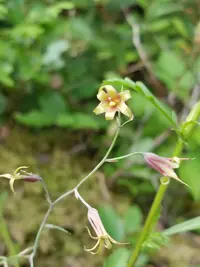
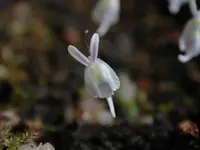
Its small, bell-shaped flowers hang in loose clusters and often show faint greenish or bronze tones, which likely help it blend into surrounding foliage and reduce herbivore attention.

FAQs about bronze-bells

All parts of this plant are considered toxic if eaten. Ingestion may cause nausea, vomiting, or other serious symptoms in pets and people. Keep it out of reach and avoid planting where children or grazing animals have access.

Grow Healthy Plants with Botan Care

Keep your plants happy and healthy with plant identification, disease detection, and easy care guidance.

Botan plant care app — identify plants on mobile

Explore More Plants