


Pinch For Bushiness
Pinch out the soft shoot tips when plants are 8–10 cm tall to encourage branching, stronger stems, and more flower spikes over a longer season.

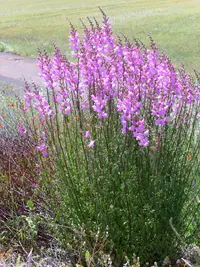
Antirrhinum graniticum is a small, perennial snapdragon relative, forming low, compact clumps with narrow leaves and upright flower spikes. Its blooms resemble classic snapdragon flowers, usually in soft, muted colors.
This species is native to rocky, granitic slopes in parts of the Iberian Peninsula, where it grows in shallow, well-drained soils. It is adapted to dry, sunny habitats and can be somewhat drought tolerant once established.
In cultivation it suits rock gardens, troughs, and sunny borders, staying relatively low and neat. Gardeners who learn how to care for Antirrhinum graniticum usually find it manageable, provided it receives good light, drainage, and protection from prolonged winter wet.

Care Difficulty
Moderate Care

Light Preference
Full Sun

Water Requirements
Moderate Water

Temperature Preference
Warm Climate

Hardiness Zone
7–9

Soil Texture
Sandy, Loamy, Rocky

Soil pH
Acidic (5.5–6.5), Slightly acidic (6.5–7.0)

Soil Drainage
Well-drained

Fertilization
Light (every 4–6 weeks)
Scan your plant to receive care tips personalized for your specific plant
Available on iOS and Android
This species prefers bright outdoor conditions similar to its native rocky habitats.
This plant prefers evenly moist but not saturated soil, with brief drying between waterings.
This species prefers cool to mild conditions and does not thrive in extreme heat or harsh frost.
This species grows best in relatively dry air and does not need elevated humidity.
Antirrhinum graniticum prefers lean, well-drained, slightly alkaline mineral soils.
This species can be grown in containers if the potting setup mimics its naturally sharp drainage.
This species grows on nutrient-poor rocky soils and usually needs only light feeding in cultivation.
Pruning is helpful to keep plants compact and flowering well.
This species is more often transplanted outdoors than kept long term in containers.
Propagation is usually done from seed and suits most home growers.
This rock snapdragon is relatively cold hardy but may need some help in colder or wetter winter climates.

Plant Health Check
Not sure what's wrong with your plant? Check your plant's health inside the app.
This species is naturally restricted to granite outcrops and cliffs in western Iberia, often rooting in thin crevices where very little soil accumulates.
Although technically a short-lived perennial, it often behaves as an annual or short-lived biennial in the wild, persisting mainly through frequent seed set in its unstable rocky habitats.
It has a relatively small, fragmented native range in Portugal and adjacent parts of western Spain, which makes its local populations sensitive to habitat disturbance such as quarrying and construction.
This species usually flowers from late spring into mid-summer, sometimes extending into early fall in cooler areas. Individual blooms last several days, but continuous bud production creates a longer overall display if spent flower spikes are removed.
Keep your plants happy and healthy with plant identification, disease detection, and easy care guidance.

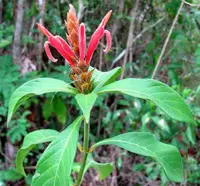
Red Aphelandra
Aphelandra scabra
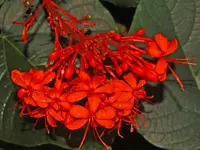
Javanese glorybower
Clerodendrum speciosissimum
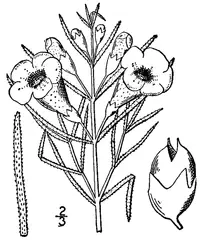
tall false foxglove
Agalinis aspera
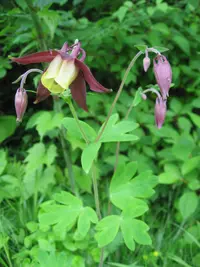
Oriental columbine
Aquilegia oxysepala
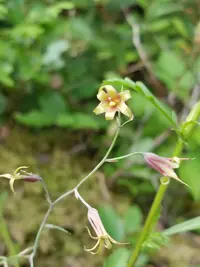
bronze-bells
Anticlea occidentalis
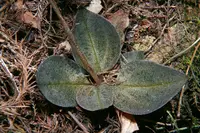
cranichis-like ladies'-tresses
Cyclopogon cranichoides
Domingoa purpurea
Domingoa purpurea
Pondo Bladderwort
Utricularia sandersonii