kurrajong Care (Brachychiton populneus)

Also known as: lacebark kurrajong, Bottle Tree
kurrajong

About kurrajong

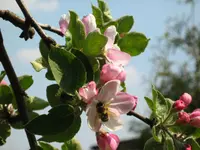
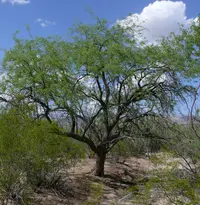
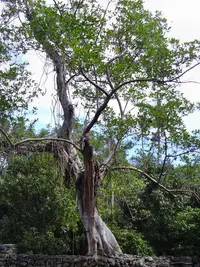
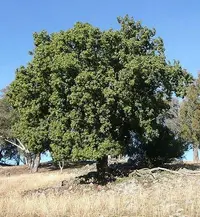
Kurrajong, Brachychiton populneus, is a small to medium evergreen tree native to eastern Australia. It has a distinctive swollen trunk that stores water and glossy, variable leaves that may be oval or deeply lobed. Mature trees produce cream to pink bell-shaped flowers followed by decorative, woody seed pods. In its natural habitat it grows in warm, dry regions and tolerates poor, rocky soils. This drought resistance makes it relatively forgiving in low-rainfall climates but less suited to very wet or cold locations. Those who want to learn how to care for kurrajong should note its preference for bright light, well-drained soil, and infrequent but deep watering.

Main Plant Requirements

Care Difficulty

Easy Care

Light Preference

Full Sun

Water Requirements

Low Water

Temperature Preference

Warm Climate

Hardiness Zone

9–11

Soil Texture

Sandy, Loamy, Rocky

Soil pH

Slightly acidic (6.5–7.0), Slightly alkaline (7.0–7.5)

Soil Drainage

Well-drained

Fertilization

Minimal (feed rarely)

Get Personalized Care Plan

Scan your plant to receive care tips personalized for your specific plant

Available on iOS and Android

How to Care for the kurrajong

Brachychiton populneus thrives in bright, open sites with strong, direct sun.

  • Provide 6–8 hours of direct sun daily; full sun is ideal, though light afternoon shade helps in very hot inland summers.
  • Young kurrajong trees tolerate light or dappled shade but may grow slower and develop a thinner canopy in less than 4–5 hours of direct sun.
  • Watch leaves for stress: pale, sparse foliage and long, weak shoots indicate insufficient light, while crisped, brown leaf edges can signal intense reflected heat from walls or paving.

This drought-tolerant tree prefers infrequent, deep watering and well-drained soil.

  • Allow the top 5–8 cm of soil to dry before watering, then soak the root zone thoroughly so water penetrates 20–30 cm deep.
  • Reduce watering sharply once Brachychiton populneus is established; in most climates, natural rainfall is enough except during extended dry, hot periods.
  • Signs of excess water include yellowing leaves, soft new growth, and dieback; curling, crisp leaves and premature drop indicate prolonged dryness during establishment.

This species suits warm to hot climates and copes well with seasonal temperature swings.

  • Active growth occurs best around 70–90°F (21–32°C), with good tolerance of dry summer heat when soil is not chronically wet.
  • Mature trees usually handle brief dips to about 20–25°F (-6 to -4°C), but young plants are more cold-sensitive and benefit from shelter in their first winters.
  • Avoid planting in frost pockets; repeated hard frosts or prolonged cold below 20°F (-6°C) can damage branches, while extreme heat above 105°F (40°C) increases water stress risk.

This species handles low indoor humidity well and rarely needs special humidity adjustments.

  • Target 30–50% humidity, similar to most heated or air-conditioned homes.
  • Dry air is usually tolerated, but persistent leaf edge browning or curling may indicate combined stress from low humidity and underwatering.
  • If air is extremely dry from heating, place the pot on a pebble tray with water below the pot base to slightly raise local humidity.

Brachychiton populneus prefers mineral, free-draining soil that does not stay wet after watering.

  • Use a gritty mix such as 50–60% sandy loam with 40–50% coarse materials like perlite, pumice, or fine gravel to keep pores open.
  • Aim for slightly acidic to neutral pH, around 6.0–7.5, avoiding strongly acidic or alkaline substrates that can limit nutrient availability.
  • Incorporate only modest organic matter, such as a thin layer of compost, since heavy peat-rich blends hold too much water for the root system.
  • Avoid dense clay, compacted ground, or containers without fast drainage, which promote root rot and weak, oxygen-starved roots.

This tree can be grown in containers when managed as a compact specimen or patio tree.

  • Choose a deep, heavy pot to counteract the plant’s tendency to become top-heavy as the trunk thickens.
  • Select slightly porous materials like unglazed clay if excess moisture is a concern, as they allow faster evaporation from the root zone.
  • Leave a substantial drainage layer by keeping the lower drainage holes clear and elevated so water and fertilizer salts do not pool under the root ball.

Brachychiton populneus grows well in modest soils, but light feeding improves vigor, especially for container-grown kurrajong.

  • Use a balanced slow-release fertilizer (for example 10-10-10) or well-aged compost at the start of spring.
  • Feed every 6–8 weeks during the warm growing season, following label rates for trees.
  • Apply at half strength for young or container plants to avoid root burn.
  • Stop feeding in late fall and avoid fertilizing during winter dormancy.

Pruning Brachychiton populneus is mainly used to maintain structure, remove damage, and control size.

  • Carry out main pruning in late winter to very early spring, before active growth starts.
  • Remove dead, diseased, crossing, or inward-growing branches to open the canopy and improve airflow.
  • Use clean, sharp hand pruners or loppers, making cuts just outside the branch collar.
  • Limit heavy canopy reduction to maintain the tree’s natural form and reduce stress.

This species is usually grown in the ground, so focus on careful transplanting or infrequent container upsizing.

  • Transplant or up-pot in late winter to early spring, when temperatures are mild and growth is restarting.
  • Look for roots circling the container drainage holes, drying out fast, or slowed growth as signs it needs more space.
  • Move only 1–2 pot sizes up and gently loosen circling roots, keeping the root ball as intact as possible.
  • Water thoroughly after planting, then keep soil evenly moist for several weeks to limit transplant shock.

Brachychiton populneus is most commonly propagated from seed, with cuttings used less often.

  • Collect ripe seeds in late summer–fall and sow in spring once temperatures are warm and stable.
  • Scarify hard seed coats lightly with sandpaper and soak 12–24 hours to improve germination.
  • Use a free-draining mix kept just moist at 70–80°F with bright light for steady germination.
  • Semi-ripe cuttings root best with a rooting hormone and bottom heat in humid, well-aerated media.

Mature Brachychiton populneus trees are moderately frost tolerant and need little winter care in mild climates.

  • In regions with freezes below about 25°F, mulch 5–8 cm around the root zone, keeping mulch off the trunk.
  • Wrap young trunks with breathable tree wrap where severe frosts occur.
  • Move container plants indoors or into a sheltered, bright, cool space before hard frost, watering sparingly.

Care Tips

Root ball management

When planting a nursery specimen, gently tease out any circling roots and spread them radially in the planting hole to reduce future girdling and improve long-term anchorage.

Single-leader training

In the first 3–5 years, select one strong central leader and remove or shorten competing upright stems to build a stable trunk structure and reduce the risk of storm damage later.

Wind-hardening young trees

For newly planted trees in windy sites, use two loose, flexible stakes set outside the root zone and remove them after 1–2 years so the trunk can strengthen naturally while still being protected from snapping.

Surface root control

Avoid frequent shallow irrigation and keep turf grass at least 45–60 cm away from the trunk to discourage surface roots that can heave paving or compete with lawns.

Pod and litter management

If planted near paths or parking areas, schedule one or two cleanups during peak seed pod drop to prevent slipping hazards and unwanted volunteer seedlings, which is a practical aspect of caring for kurrajong in urban settings.

Common Pests and Diseases

Kurrajong psyllid

This pest creates blistered, puckered, or galled areas on leaves where nymphs feed on plant sap, often leading to distorted new growth and minor leaf drop.

Solution

Prune and dispose of heavily distorted foliage, then hose down the canopy to remove nymphs from leaf undersides; for persistent infestations, use a ready-to-use horticultural oil or insecticidal soap thoroughly on both sides of leaves, repeating every 7–10 days while new damage appears.

Kurrajong leaf beetle

These insects chew irregular holes in leaves and can skeletonize foliage during peak activity, especially on young or stressed trees.

Solution

Hand-pick adults where practical, shake branches over a sheet to collect beetles, and encourage local birds and predatory insects; if defoliation becomes heavy, spot-treat with a low-impact contact insecticide labeled for chewing beetles, focusing on younger foliage and avoiding spray drift.

Scale insects

This pest appears as small, fixed bumps on stems and leaves, often accompanied by sticky honeydew and sooty mold growth on nearby surfaces.

Solution

Wipe or gently scrape accessible scale from twigs, prune heavily infested branch tips, and apply horticultural oil to thoroughly coat stems and leaf undersides during mild weather, repeating once or twice if new crawlers appear; keeping the tree well-watered but not overwatered in summer reduces stress and improves natural resistance.

Leaf spot

This disease causes scattered brown or tan spots on leaves, sometimes with a yellow halo, and in severe cases can lead to premature leaf drop during wet, humid periods.

Solution

Rake and discard fallen leaves, avoid overhead watering that keeps foliage wet, and thin nearby vegetation to improve air circulation; in repeatedly wet climates, a copper-based fungicide applied at the start of the rainy season can reduce new infections as part of broader Brachychiton populneus plant care.

Interesting Facts

Natural water storage trunk

This species develops a distinctively swollen, bottle-shaped trunk that stores water, allowing it to survive prolonged dry periods in its native Australian habitats.

Unusual seed dispersal

Its woody seed pods split open to reveal many seeds embedded in a fibrous matrix lined with irritant hairs, which deter heavy predation but still allow birds to extract and spread the seeds.

Drought-tolerant evergreen habit

Unlike many Australian trees that shed leaves in severe drought, this species often retains a significant portion of its canopy, adjusting leaf size and density to reduce water loss while remaining partially evergreen.

Botan icon

Did you know?

In parts of rural Australia, this tree has been used as emergency fodder during severe droughts, with farmers lopping branches so livestock can feed on its relatively nutritious leaves and even parts of its young stems.

FAQs about kurrajong

Growth is moderate. Young trees usually add about 30–60 cm per year under warm, dry, sunny conditions, slowing as they mature. Limited water, poor drainage, compacted soil, or cool climates can reduce extension growth significantly.

Grow Healthy Plants with Botan Care

Keep your plants happy and healthy with plant identification, disease detection, and easy care guidance.

Botan plant care app — identify plants on mobile

Explore More Plants