Caucasus apple Care (Malus orientalis)

Caucasus apple

About Caucasus apple

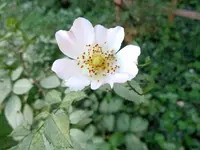
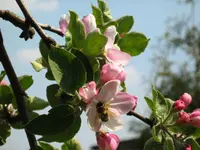
Caucasus apple, Malus orientalis, is a wild apple species forming a small tree or large shrub with a rounded crown and dense branching. It usually carries small, yellow to red fruits and simple, serrated leaves.

This species is native to the Caucasus region and parts of Western Asia, where it grows in mountain forests and open woodland edges. It is valued in breeding for its genetic diversity, disease tolerance, and cold hardiness, which can make it reasonably robust in cultivation.

The plant prefers full sun, moderately moist but well-drained soil, and benefits from good air circulation. Understanding how to care for Caucasus apple starts with providing stable light, soil, and moisture conditions.

Main Plant Requirements

Care Difficulty

Moderate Care

Light Preference

Full Sun

Water Requirements

Moderate Water

Temperature Preference

Cold Hardy

Hardiness Zone

4–8

Soil Texture

Loamy, Sandy, Clay

Soil pH

Acidic (5.5–6.5), Slightly acidic (6.5–7.0)

Soil Drainage

Moist but well-drained

Fertilization

Minimal (feed rarely)

Get Personalized Care Plan

Scan your plant to receive care tips personalized for your specific plant

Available on iOS and Android

How to Care for the Caucasus apple

This species thrives as an outdoor, full-sun tree when given enough space and air movement.

  • Provide 6–8 hours of direct sun daily; morning sun with some light afternoon shade suits hot, dry regions best for Caucasus apple.
  • Young trees tolerate light partial shade, but prolonged shade leads to sparse flowering, weak shoots, and reduced fruiting.
  • In hot summers, protect from intense late-afternoon sun on exposed sites to reduce leaf scorch, especially during drought or heat waves.

This tree prefers consistently moist, well-drained soil rather than frequent shallow watering.

  • Irrigate when the top 3–5 cm of soil feels dry, applying a slow deep soak that moistens the root zone 20–30 cm down.
  • During the first 2–3 growing seasons, monitor closely in dry spells; limp leaves and dry, crumbly soil indicate thirst, while yellowing leaves and soggy soil suggest overwatering.
  • Use well-drained loam or sandy loam; reduce watering in cool, wet seasons to avoid root rot, especially on heavy clay sites.

This hardy apple species tolerates cold winters but grows best in moderate seasonal climates.

  • Active growth is strongest around 60–75°F (16–24°C), typical of spring and early summer in temperate regions.
  • Mature trees often survive down to about -20°F (-29°C) or lower, but young trees benefit from protection against severe frost and drying winds.
  • Summer heat up to 90–95°F (32–35°C) is usually tolerated if soil moisture is maintained; prolonged extremes above this can cause leaf scorch and fruit drop.

This species grows best in moderately dry to average outdoor air and rarely needs special humidity control.

  • Target 40–60% humidity, which matches most outdoor conditions in temperate regions.
  • Dry air is generally tolerated, but prolonged hot, very dry wind can cause leaf edge browning and early leaf drop.
  • Use windbreaks, mulch, and deep but infrequent watering to reduce transpiration stress during very arid, windy periods.

Malus orientalis prefers deep, well-structured mineral soils that stay evenly moist but never waterlogged.

  • Use a loamy mix with noticeable sand and silt content plus 10–20% mature compost for organic matter and nutrient buffering.
  • Ensure fast drainage by avoiding heavy, compacted clay; incorporate coarse sand or fine gravel to improve pore space and aeration.
  • Aim for slightly acidic to neutral pH (6.0–7.2); avoid strongly alkaline or saline soils, which reduce micronutrient availability.
  • On poorly drained sites, plant on a slight mound or raised bed so the root zone sits above standing water after rain.

This species can be grown in containers when kept as a dwarf or young tree, but it remains a long-term challenge.

  • Choose a heavy, wide container to counterbalance the developing canopy and reduce tipping in strong winds.
  • Use a deep pot that allows a pronounced taproot and structural roots to extend downward without circling tightly.
  • Select slightly porous materials like thick-walled terracotta to moderate moisture swings while still allowing some gas exchange in the root zone.

Malus orientalis is adapted to low-nutrient soils, so use fertilizer sparingly for young or orchard trees.

  • Apply a balanced slow-release fertilizer (around 10-10-10 NPK) once in early spring for young or actively managed Caucasus apple trees.
  • Use a light top-dressing of compost around the drip line instead of heavy synthetic feeding for mature trees.
  • During the growing season, avoid exceeding the label rate and never apply to drought-stressed roots.
  • Do not fertilize in late fall or winter, as this can trigger soft growth vulnerable to frost damage.

Pruning Malus orientalis focuses on tree health, light penetration, and a stable framework.

  • Carry out main pruning in late winter to very early spring while the tree is still dormant.
  • Remove dead, diseased, damaged, or crossing branches first, cutting back to healthy wood with clean, sharp bypass pruners or a saw.
  • Thin congested interior shoots to improve airflow and light, which supports better flowering and reduces disease risk.
  • Maintain a balanced, open crown with well-spaced scaffold branches to prevent breakage and encourage strong future growth.

Malus orientalis is usually grown in the ground, so focus on transplanting rather than frequent repotting.

  • Transplant bare-root or container-grown trees in late fall or early spring when dormant to limit stress.
  • Move young trees every few years only if roots circle the container, growth declines, or the site is unsuitable.
  • Dig a wide planting hole, gently loosen circling roots, and set the root flare at soil level in well-drained ground.
  • Water deeply after planting, mulch 5–8 cm away from the trunk, and keep soil evenly moist for the first 1–2 seasons to support establishment.

Propagation of Malus orientalis is commonly done from seed and by grafting onto suitable rootstocks.

  • Sow seeds outdoors in fall or cold-stratify them for 3–4 months at 34–41°F to break dormancy before spring sowing.
  • Use well-drained, slightly moist seed compost and place trays in bright, indirect light for germination.
  • Take winter hardwood scion wood and graft onto compatible rootstocks in late winter under cool, sheltered conditions.
  • Keep young seedlings and grafted plants sheltered from extreme sun and drying winds until root systems are well established.

Malus orientalis is generally cold hardy and needs minimal winter care once established in the landscape.

  • Apply a 5–8 cm mulch layer over the root zone in late fall to moderate soil temperature and moisture.
  • For young trunks, use breathable tree guards to reduce sunscald and rodent damage during winter.
  • Container-grown trees are less insulated, so place pots in a sheltered, unheated area or bury containers to protect roots from deep freezing.

Care Tips

Rootstock selection

Choose disease-resistant, region-appropriate rootstocks (such as semi-dwarf types for home orchards) to improve anchorage, reduce excessive vigor, and increase long-term productivity when growing Caucasus apple.

Early scaffold training

In the first 3–4 years, select 3–5 well-spaced main branches around the trunk and use spreaders or soft ties to keep them at a 45–60° angle, which builds a strong, open framework that carries heavy crops without breaking.

Thinning young fruit

Once fruits reach marble size, remove excess so that remaining apples are spaced about 10–15 cm apart along the branch to reduce biennial bearing and improve fruit size and quality.

Targeted codling control

Monitor for codling moth with pheromone traps from late spring and time any approved treatments for shortly after peak moth flight, focusing on larvae before they bore into the fruit.

Rodent and trunk protection

Install rigid trunk guards or fine wire mesh around the lower 30–45 cm of the trunk in autumn to prevent vole, rabbit, and deer damage to bark during winter and early spring.

Common Pests and Diseases

Apple scab

This disease causes dark, velvety spots on young leaves and fruit, which later crack and deform, reducing fruit quality and vigor. Symptoms include early leaf drop, especially in cool, wet spring weather.

Solution

Remove and destroy fallen leaves and mummified fruit in autumn, and avoid overhead watering to reduce surface wetness. In regions where apple scab is common, apply a preventive fungicide labeled for apple trees at bud break and repeat through early leaf expansion, and choose well-ventilated, sunny planting sites when growing Caucasus apple.

Fire blight

This disease leads to rapid wilting and blackening of blossoms, shoots, and sometimes branches, giving them a scorched appearance. Infected shoots often bend into a characteristic shepherd’s crook shape.

Solution

Prune out infected shoots at least 20–30 cm below visible symptoms during dry weather, disinfecting tools between cuts with 70% alcohol or a 10% bleach solution. Avoid high-nitrogen fertilization and heavy pruning in spring, and in high-risk areas consider using a registered bactericide at bloom if fire blight pressure is historically severe.

Powdery mildew

This disease produces a white, powdery coating on young leaves, shoots, and sometimes flower buds, leading to distorted growth and reduced vigor. Symptoms include stunted shoots and leaves that curl or become brittle over time.

Solution

Increase air movement around the canopy by proper spacing and selective thinning of crowded branches, and avoid excessive nitrogen that promotes soft, susceptible growth. Remove and discard heavily infected shoots during dormancy or early in the season, and use a labeled sulfur or other apple-safe fungicide preventively if powdery mildew recurs every year.

Codling moth

This pest is a key fruit borer whose larvae tunnel into developing apples, leaving small entry holes and brown, crumbly frass inside the fruit. Damaged fruit often falls early or is unusable at harvest.

Solution

Collect and destroy infested fallen fruit throughout the season and remove loose bark where larvae can overwinter. Use pheromone traps to monitor adult moth activity and time treatments, and in home orchards consider mating disruption ties or targeted applications of products containing Bacillus thuringiensis (Bt) or granulosis virus when eggs are hatching.

Apple sawfly

These insects cause early-season fruit damage with winding, ribbon-like surface scars and deep tunnels filled with brown frass, often leading to premature fruit drop. Symptoms include deformed young fruitlets and scattered early thinning not related to weather.

Solution

Rake up and remove affected fallen fruitlets promptly to reduce the next generation. Use white sticky traps at bloom to monitor adults, and if numbers are high, time a targeted insecticide approved for fruit trees shortly after petal fall, focusing on good coverage of young fruit while protecting pollinators by avoiding spray during bloom.

Interesting Facts

Wild apple ancestor link

Genetic studies show that Malus orientalis contributed to the domestication of the cultivated apple, especially in the Caucasus and Near East, alongside Malus sieversii from Central Asia.

High genetic diversity

Populations of this species in the Caucasus and Iran hold unusually high genetic variation for disease resistance and fruit traits, making them important for modern apple breeding programs.

Dry-tolerant woodland species

This wild apple often grows in open woodlands and forest edges in relatively dry, rocky mountain habitats, tolerating conditions that are harsher than those preferred by many cultivated apples.

Botan icon

Did you know?

Charred seeds and fruit remains of Malus orientalis have been found at archaeological sites in the Near East, indicating that humans collected and used its fruits thousands of years before the rise of large-scale apple orchards.

FAQs about Caucasus apple

Growth is moderate. Young trees typically add 20–40 cm in height per year under good conditions, then slow as they mature. Growth rate depends on soil fertility, moisture availability, rootstock, and overall Malus orientalis care.

Grow Healthy Plants with Botan Care

Keep your plants happy and healthy with plant identification, disease detection, and easy care guidance.

Botan plant care app — identify plants on mobile

Explore More Plants