tarwi Care (Lupinus mutabilis)

tarwi

About tarwi

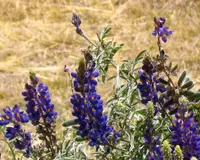
Tarwi, or Lupinus mutabilis, is an annual grain legume grown mainly for its protein-rich seeds. It belongs to the lupin group and forms upright, branching plants with palmate, finger-like leaves and showy flower spikes in white, blue, or purple tones.

This species is native to the Andean regions of South America, where it grows in cool, sunny, high-altitude environments. It adapts best to full sun, well-drained soil, and moderate moisture.

The plant can be moderately demanding, as it dislikes waterlogged soil and very hot, humid climates. Understanding how to care for tarwi usually becomes easier once its need for cool, bright, and relatively dry conditions is clear.

Main Plant Requirements

Care Difficulty

Moderate Care

Light Preference

Full Sun

Water Requirements

Moderate Water

Temperature Preference

Cool Climate

Hardiness Zone

8–10

Soil Texture

Sandy, Loamy, Organic-rich

Soil pH

Acidic (5.5–6.5), Slightly acidic (6.5–7.0)

Soil Drainage

Well-drained

Fertilization

Minimal (feed rarely)

Get Personalized Care Plan

Scan your plant to receive care tips personalized for your specific plant

Available on iOS and Android

How to Care for the tarwi

Lupinus mutabilis thrives in bright outdoor conditions with plenty of direct sun but some protection from extremes.

  • Provide 6–8 hours of direct sunlight daily, ideally strong morning sun with some light afternoon shade in hot climates.
  • Plant tarwi where it receives at least 4 hours of unshaded light; dense shade leads to weak, stretched stems and poor flowering.
  • In very hot summers, protect from intense midday sun to reduce leaf scorch and excessive wilting, especially in dry, exposed sites.

Lupinus mutabilis prefers evenly moist, well-drained soil that never stays saturated for long periods.

  • Water when the top 3–5 cm of soil feels dry, applying a deep soak rather than light, frequent splashes to encourage deeper rooting.
  • Use free-draining, slightly sandy soil so excess water runs off; yellowing, limp foliage often signals overwatering and poor aeration.
  • In cool or rainy seasons, reduce watering and rely more on natural rainfall, but in hot, windy weather check soil moisture more often for drying.

This species grows best in mild, frost-free conditions with moderate summer temperatures.

  • Aim for active growth in 60–75°F (16–24°C); plants stay compact and flower well in this range.
  • Protect from frost below 32°F (0°C), as repeated freezing damages foliage and can kill young plants, especially in wet soil.
  • In hot periods above 86°F (30°C), provide some afternoon shade and consistent soil moisture to limit heat stress and flower drop.

Lupinus mutabilis handles a wide humidity range and usually does not need special humidity management outdoors.

  • Target 40–60% humidity, which matches most outdoor conditions in temperate climates and keeps foliage functioning efficiently.
  • The plant tolerates drier air but may show leaf edge browning or slight curling during hot, very low-humidity periods.
  • If caring for tarwi in unusually dry, windy sites, increase local humidity slightly by mulching the soil surface to reduce evaporation.

Lupinus mutabilis prefers light, well-aerated soil that drains quickly yet holds moderate moisture.

  • Use a sandy or sandy-loam structure with low to moderate organic matter, such as 50–60% garden loam with 40–50% coarse sand.
  • Aim for slightly acidic to neutral pH around 6.0–7.0 to support root function and nutrient uptake.
  • Improve drainage and aeration by blending in sharp sand or fine grit; add only a thin layer of mature compost if soil is very poor.
  • Avoid heavy clay, compacted ground, or mixes rich in peat and manure, which stay wet and increase risk of root rot in Lupinus mutabilis.

This species can be grown in containers, but it needs thoughtful sizing and support to perform well.

  • Choose a deep, narrow-to-medium width pot to give the strong taproot vertical space while limiting excess side volume that can stay wet.
  • Use a heavier material such as terracotta or ceramic to stabilize tall, top-heavy flower spikes against wind.
  • Position the container where it is shielded from strong gusts, or anchor it against a fixed structure to prevent tipping during flowering.

Lupinus mutabilis is a nitrogen-fixing legume, so it benefits from only light, targeted fertilization during active growth.

  • Apply a light top-dressing of compost in spring to support soil life rather than force fast growth when caring for tarwi.
  • Use a balanced, slow-release fertilizer (around 10-10-10) at half strength at planting or early in the growing season.
  • Avoid high-nitrogen feeds, which reduce flowering; focus on phosphorus and potassium for blooms and root health.
  • Do not fertilize in winter or dormancy, and reduce feeding late in the season to allow tissues to harden.

Pruning Lupinus mutabilis is simple and mainly focuses on maintaining vigor and flowering performance.

  • Cut back spent flower spikes promptly in late spring or summer to encourage additional blooms and reduce self-seeding.
  • Remove dead, damaged, or diseased stems at the base using clean, sharp hand pruners to limit infection risk.
  • Thin crowded stems lightly to improve air circulation and reduce foliar disease in humid conditions.
  • At season’s end, shear back dry stalks once seeds are collected or dispersed, leaving a low clump above the crown.

This species is usually grown in the ground, so focus on gentle transplanting rather than frequent repotting.

  • Transplant Lupinus mutabilis outdoors in spring after frost, using biodegradable pots when possible to reduce root disturbance to its taproot.
  • Look for signs like roots circling a container, drying out quickly, or stalled growth before considering pot up-sizing.
  • When transplanting, keep the root ball intact, water thoroughly beforehand, and handle by the root mass rather than stems.
  • Plant into loose, well-drained soil at the same depth, water in deeply, then shade lightly for a few days to limit transplant shock.

Propagation of Lupinus mutabilis is most reliable from seed, with timing and temperature strongly influencing success.

  • Sow fresh seeds in late winter to early spring, indoors or under cover, using a well-drained, low-fertility seed mix.
  • Scarify hard seed coats lightly with sandpaper and soak 12–24 hours to speed and even out germination.
  • Maintain 60–70°F, bright light, and just-moist conditions; avoid waterlogging to prevent damping-off disease.
  • Transplant seedlings carefully while young, disturbing roots as little as possible and planting out after frost risk has passed.

Lupinus mutabilis has limited frost tolerance and usually needs some winter protection in colder climates.

  • In regions below about 25°F, grow as an annual or save seed for re-sowing next season.
  • In mild-winter areas, apply a 5–8 cm mulch around the root zone, keeping it slightly away from the crown.
  • For container plants in cool climates, move pots to a sheltered, frost-free but bright location for winter.

Care Tips

Deep root establishment

Pinch off the first flower spikes on young plants so more energy goes into building a deep, sturdy root system that supports heavier flowering later in the season.

Wind‑smart staking

In open or windy sites, place low, unobtrusive stakes on the windward side and tie stems loosely with soft ties so tall, top-heavy plants stay upright without rubbing or snapping.

Sequential deadheading

Cut spent flower spikes back to just above a healthy leaf whorl to encourage secondary spikes and extend the blooming period instead of allowing the first flush to set seed immediately.

Targeted pod harvest

If saving seed or using pods, harvest when pods turn tan and just begin to rattle, then finish drying them in mesh bags under cover to avoid shattering and loss in the field while growing tarwi.

Rotation and soil reset

Rotate plantings so this species does not grow in the same bed more often than every 3–4 years, which helps limit soil-borne pests and diseases and prevents nutrient imbalances despite its nitrogen-fixing ability.

Common Pests and Diseases

Aphids

These insects cluster on soft stems and flower spikes, sucking sap and causing distortion, sticky honeydew, and sooty mold. Symptoms include curling new growth and stunted plants, especially on young tarwi in cool, moist weather.

Solution

Spray colonies off with a strong stream of water, then treat remaining insects with insecticidal soap or a light horticultural oil, repeating every 5–7 days until controlled. Encourage lady beetles and lacewings, avoid high nitrogen fertilization, and remove heavily infested shoot tips to support healthy growing tarwi.

Bean seed fly

This pest lays eggs in soil near germinating seeds, and its larvae burrow into Lupinus mutabilis seeds and seedlings, leading to poor emergence and rotting seedlings. Symptoms include patchy stands, hollowed seeds, and weak, yellowing seedlings that collapse.

Solution

Use clean, well-drained soil and avoid sowing into cold, very wet beds, which favor egg-laying and larval survival. Protect early sowings with fine insect mesh, remove and destroy damaged seedlings, and in problem areas delay sowing until soil is warmer and seedlings can establish quickly.

Anthracnose

This disease causes dark, sunken lesions on stems, petioles, and pods, often with twisting or bending of shoots and poor pod fill. Symptoms include tan to dark brown spots with darker margins and sometimes orange-pink spore masses in humid conditions.

Solution

Remove and destroy infected stems and pods immediately and avoid overhead watering to reduce leaf wetness. Use disease-free seed, rotate away from lupins and other legumes for at least 3–4 years, and improve spacing and airflow so foliage dries quickly.

Fusarium wilt

This disease blocks the plant’s water transport system, leading to one-sided yellowing, wilting, and eventual death, often starting on older leaves. Symptoms include brown discoloration in the vascular tissue if the stem is cut lengthwise.

Solution

Remove and dispose of affected plants along with as much root material as possible and avoid replanting lupins in the same spot for several years. Maintain well-drained soil, avoid overwatering and root injury, and source seed from reputable suppliers with attention to Lupinus mutabilis care to reduce introduction of the pathogen.

Powdery mildew

This disease produces white, powdery fungal growth on leaves, stems, and sometimes pods, leading to yellowing and premature leaf drop. Symptoms include a dusty coating that starts in patches and can cover much of the foliage under dry, warm conditions with high humidity at night.

Solution

Prune or thin plants slightly to improve airflow and remove the most heavily infected leaves. Water at soil level in the morning, avoid excess nitrogen, and if needed use a labeled sulfur or potassium bicarbonate product, making sure to cover both leaf surfaces and reapplying as new growth appears.

Interesting Facts

Ancient Andean protein

This Andean legume has been cultivated for thousands of years in Peru, Bolivia, and Ecuador as a high-protein grain, traditionally used in soups, stews, and fermented foods after proper processing to remove bitter alkaloids.

Alkaloids and bitterness

Its seeds naturally contain quinolizidine alkaloids that make them very bitter and toxic when raw, so traditional processing uses prolonged soaking, boiling, and leaching in running water to reduce alkaloid levels to safe, edible ranges.

Cold-tolerant highlander

The species is adapted to high-altitude conditions in the Andes, where it tolerates cool temperatures, intense sunlight, and poor, often acidic soils that are challenging for many other crop plants.

Botan icon

Did you know?

Lupinus mutabilis not only fixes atmospheric nitrogen through symbiosis with rhizobium bacteria in its root nodules but has also been studied as a rotational crop that can improve soil fertility and reduce the need for synthetic nitrogen fertilizers in Andean farming systems.

FAQs about tarwi

Seeds are edible only after proper processing. Raw seeds contain bitter and potentially toxic alkaloids that must be leached out by soaking and repeated boiling, then rinsing. Traditionally, prepared seeds are eaten cooked or ground into foods.

Grow Healthy Plants with Botan Care

Keep your plants happy and healthy with plant identification, disease detection, and easy care guidance.


Botan plant care app — identify plants on mobile

Explore More Plants