Encourage Early Branching
Pinch the very tip of the main vine once it reaches 1–1.5 m to encourage lateral branches, which increases flowering sites and can spread fruit load more evenly.

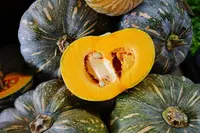
Winter squash, including Cucurbita maxima, is a warm-season annual vine grown mainly for its firm, storable fruits. It belongs to the cucurbit family, along with pumpkins and gourds.
Plants form long, trailing stems with large, rough leaves and tendrils that spread over the ground or climb supports. Fruits come in many shapes and colors, often with thick rinds and dense, sweet flesh.
This species likely originated in South America and is now widely cultivated in home gardens and farms in many temperate regions. It grows best in full sun, with steadily moist but well-drained soil.
Once established, it is fairly vigorous but needs space, consistent watering, and protection from pests, which shapes how to care for winter squash successfully.

Care Difficulty
Moderate Care

Light Preference
Full Sun

Water Requirements
Regular Water

Temperature Preference
Tropical / Frost Sensitive

Hardiness Zone
3–10

Soil Texture
Loamy, Sandy, Organic-rich

Soil pH
Acidic (5.5–6.5), Slightly acidic (6.5–7.0)

Soil Drainage
Moist but well-drained

Fertilization
Moderate (every 2–4 weeks)
Scan your plant to receive care tips personalized for your specific plant
Available on iOS and Android
Cucurbita maxima needs strong, consistent sun to produce healthy vines and fruit.
Cucurbita maxima prefers steady soil moisture without staying saturated.
Stable warmth is essential for strong growth and fruiting in Cucurbita maxima.
Humidity is rarely a limiting factor for Cucurbita maxima grown outdoors.
Soil preparation strongly influences yield and health for Cucurbita maxima.
This species can be grown in containers but needs large, carefully managed setups to perform well.
Cucurbita maxima responds well to moderate, consistent nutrition during its active growing season.
Pruning Cucurbita maxima is mainly used to manage vine length and direct energy to developing fruits.
This species is usually transplanted outdoors from small pots rather than grown long term in containers.
New Cucurbita maxima plants are most commonly raised from seed each growing season.
Cucurbita maxima is a warm-season annual, so winter care focuses on harvested fruits and soil preparation rather than plant survival.

Plant Health Check
Not sure what's wrong with your plant? Check your plant's health inside the app.
Cucurbita maxima was first domesticated in the Andean region of South America, likely in present-day Bolivia and Argentina, and it shows the highest genetic diversity there compared with other squash species.
This species develops a particularly thick, corky rind that slows water loss and decay, which explains why many winter squash types in C. maxima store well for several months after harvest under cool, dry conditions.
C. maxima typically produces very long, sprawling vines with large, deeply lobed leaves that shade the soil surface, helping suppress weeds and reduce soil moisture loss in open-field cultivation.

Cucurbita maxima includes some of the largest fruits ever produced by any plant, and giant pumpkin cultivars derived from this species have repeatedly set world records with single fruits weighing well over 1,000 kg.
Yellowing usually comes from nutrient deficiency, overwatering, or natural aging of older leaves. Check for soggy soil, compacted roots, and pests. A balanced fertilizer and good drainage often correct the issue before vines weaken.
Keep your plants happy and healthy with plant identification, disease detection, and easy care guidance.