Training young stems
Use soft ties to loosely secure young stems to a main support or stake during the first 2–3 years, which helps create an open, vase-shaped framework that carries heavy fruit clusters without splitting.

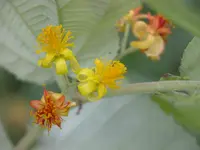
Phalsa, Grewia asiatica, is a small, deciduous fruit shrub or small tree grown for its tangy, purple berries. It has slender branches, small green leaves, and a naturally bushy habit that can be pruned to stay compact.
The species is native to the Indian subcontinent and thrives in hot, dry to semi-tropical climates. It is valued for its drought tolerance and moderate growth rate.
Phalsa is generally considered moderately easy to grow if it receives plenty of sun, warmth, and well-drained soil. Understanding how to care for phalsa helps ensure reliable flowering and fruiting in suitable climates.

Care Difficulty
Moderate Care

Light Preference
Full Sun

Water Requirements
Moderate Water

Temperature Preference
Warm Climate

Hardiness Zone
9–11

Soil Texture
Sandy, Loamy, Organic-rich

Soil pH
Acidic (5.5–6.5), Slightly acidic (6.5–7.0)

Soil Drainage
Well-drained

Fertilization
Minimal (feed rarely)
Scan your plant to receive care tips personalized for your specific plant
Available on iOS and Android
Grewia asiatica prefers full sun but tolerates some light shade in hot climates.
Watering for Grewia asiatica aims to keep soil evenly moist but never saturated.
This warm-climate shrub grows best in stable, frost-free conditions.
This species grows well in typical outdoor humidity but benefits from moderately moist air.
Grewia asiatica prefers a loose, well-drained mineral soil that does not stay waterlogged.
This shrub is suitable for container growing if the pot supports its deep, spreading root system.
Grewia asiatica benefits from moderate feeding to support flowering and fruiting without forcing soft, weak growth.
Pruning Grewia asiatica improves structure, light penetration, and fruiting wood quality.
This shrub is usually grown in the ground, so focus on careful transplanting and occasional container upsizing for young plants.
Grewia asiatica is commonly propagated from semi-hardwood cuttings and seeds for home orchards.
This warm-climate shrub has limited frost tolerance and benefits from basic winter protection in cooler regions.

Plant Health Check
Not sure what's wrong with your plant? Check your plant's health inside the app.
This fruit shrub was domesticated in the Indian subcontinent long before many common orchard crops and is still grown mainly in small farms and home gardens rather than in large industrial plantations.
It flowers and fruits during the hot pre-monsoon period in much of its native range, showing strong adaptation to high temperatures that limit fruit set in many other species.
The small purple fruits are highly perishable and lose quality quickly after harvest, which is why they are often consumed fresh near where they are grown or processed promptly into drinks and preserves.

This species is known by the Hindi name phalsa and is specifically mentioned in traditional Indian horticultural literature as a distinct summer fruit crop, with regional selections developed over centuries for traits like fruit color, sweetness, and ripening time.
Yellowing leaves usually result from root stress, nutrient deficiencies, or water imbalance. Check for soggy or compacted soil, improve drainage, and consider a balanced, slow-release fertilizer. Older leaves yellowing first can be normal aging, not disease.
Keep your plants happy and healthy with plant identification, disease detection, and easy care guidance.