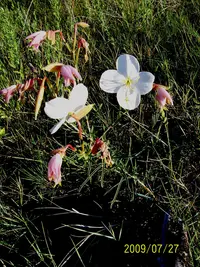
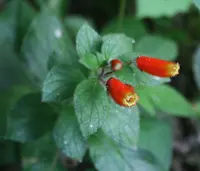
garden monkshood Care (Aconitum plicatum)

garden monkshood

About garden monkshood

Garden monkshood (Aconitum plicatum) is a hardy, clump-forming perennial grown mainly for its tall spikes of hooded blue to violet flowers. It typically blooms in late summer to early autumn and forms upright stems with deeply divided, glossy green leaves.

This species is native to parts of Europe and prefers cool, moist conditions, often thriving in woodland or mountain-edge habitats. In gardens it suits perennial borders where the soil stays evenly moist and does not dry out completely.

It is considered moderately demanding because it dislikes heat, drought, and waterlogged soil, and resents frequent disturbance of its roots. Understanding how to care for garden monkshood helps keep it healthy and long-lived in temperate climates.

Main Plant Requirements

Care Difficulty

Moderate Care

Light Preference

Partial Shade

Water Requirements

Regular Water

Temperature Preference

Cold Hardy

Hardiness Zone

4–7

Soil Texture

Loamy, Silty, Organic-rich

Soil pH

Acidic (5.5–6.5), Slightly acidic (6.5–7.0)

Soil Drainage

Moist but well-drained

Fertilization

Minimal (feed rarely)

Get Personalized Care Plan

Scan your plant to receive care tips personalized for your specific plant

Available on iOS and Android

How to Care for the garden monkshood

Aconitum plicatum prefers cool, bright conditions with shelter from intense midday sun.

  • Provide 3–5 hours of morning sun with light or dappled shade from midday onward; an east- or north-facing border suits garden monkshood well.
  • In hotter regions, prioritize partial shade, especially from 11 a.m.–4 p.m., to prevent leaf scorch and shortened flowering time.
  • Too much deep shade causes weak, floppy stems and sparse blooms, so choose a spot with at least bright, filtered light throughout the day.

This species prefers consistently moist, cool soil without becoming waterlogged.

  • Water when the top 3–5 cm of soil feels slightly dry, aiming for evenly moist ground around the root zone rather than soaked soil.
  • Use deep, occasional watering instead of light sprinkling, and ensure soil drains freely to reduce the risk of root rot and yellowing foliage from overwatering.
  • During hot, dry spells, increase frequency while watching for wilting or crisp leaf edges, common signs that Aconitum plicatum is staying too dry.

This perennial thrives in temperate climates with cool to mild summers and cold winters.

  • Active growth and flowering occur best around 55–70°F (13–21°C), typical of late spring and early summer in many temperate gardens.
  • Established plants tolerate winter lows near 0°F (−18°C) in the ground, dying back to the crown and reshooting in spring once soil warms.
  • Prolonged heat above 85°F (29°C) can stress plants, so provide mulch and partial shade during hot spells to keep roots cooler and reduce foliage scorch.

This species tolerates typical outdoor humidity and usually does not need special adjustment.

This perennial prefers cool, moist, well-drained, humus-rich soil for stable growth.

  • Use a deep loamy soil with plenty of organic matter such as garden compost or leaf mold to retain moisture without waterlogging.
  • Ensure free drainage by avoiding heavy, compacted clay; incorporate coarse sand or fine grit to improve structure and aeration.
  • Aim for slightly acidic to neutral pH, around 6.0–7.0, which supports nutrient uptake and root health in Aconitum plicatum.
  • Avoid sites where water stands after rain, since persistent saturation promotes root rot and weak, sparse growth.

This species can be grown in containers if the pot is large and stable enough for tall stems.

  • Choose a tall, heavy container that resists tipping in wind and supports the plant’s upright, often top-heavy growth.
  • Use a deep pot to provide cool root space and allow an evenly moist, not soggy, substrate through the full root zone.
  • Select a thick-walled or glazed container to buffer rapid moisture loss and temperature swings around the roots.

Aconitum plicatum benefits from modest, measured feeding rather than heavy fertilization.

  • Apply a balanced slow-release fertilizer (for example 10-10-10) in early spring as new growth starts.
  • Supplement with a light topdressing of compost once per year to support soil structure and nutrient availability.
  • During the growing season, use a half-strength balanced liquid feed every 4–6 weeks if growth appears weak.
  • Stop feeding in late summer so garden monkshood can harden off and enter dormancy without soft, frost-tender growth.

Pruning Aconitum plicatum is mainly about tidiness and maintaining healthy stems rather than reshaping the plant.

  • Cut back spent flower spikes to just above a set of healthy leaves to keep plants neat and sometimes encourage modest rebloom.
  • Remove dead, diseased, or storm-damaged stems at the base whenever noticed, using clean, sharp hand pruners.
  • In late autumn or early spring, shear or cut down browned foliage near ground level to make room for fresh shoots.
  • Thin out congested stems slightly at the crown if air circulation is poor, which helps limit fungal disease.

This species is best treated as a long-lived garden perennial that dislikes frequent disturbance.

  • Transplant in early spring or early autumn, when temperatures are mild and soil moisture is steady.
  • Move only when necessary, such as overcrowding, poor flowering, or clear signs of decline despite good care.
  • Lift the clump with a wide, deep root ball to minimize root breakage, then replant at the same depth in well-drained soil.
  • Water thoroughly after transplanting, shade lightly for 3–5 days if conditions are hot, and avoid further disturbance for several seasons.

Propagation of Aconitum plicatum is possible but should be done carefully due to its toxic tissues.

  • Divide mature clumps in early spring or early autumn, ensuring each division has several buds and a good root section.
  • Sow fresh seed in trays outdoors in autumn; natural winter chilling improves germination in spring.
  • Keep division and seed trays in evenly moist, well-drained, humus-rich substrate to avoid rot and support root formation.
  • Label plants clearly and handle roots and crowns with gloves, washing tools afterward to limit toxin exposure.

This hardy perennial generally overwinters well in most temperate gardens with minimal intervention.

  • Tolerates typical frost in USDA zones 3–7 when grown in well-drained soil.
  • After foliage dies back, cut stems to a few cm above soil level to reduce disease carryover.
  • Apply a 5–8 cm layer of mulch over the root zone in late autumn, especially in colder or exposed sites.
  • For container-grown plants, move pots into a sheltered, unheated but frost-sheltered area to protect roots from repeated freeze–thaw cycles.

Care Tips

Use sturdy staking

Install low, discreet stakes and soft ties early in the season to keep tall, heavy flower stems upright and prevent wind damage once the spikes are in full bloom.


Mulch for cool roots

Apply a 5–8 cm layer of leaf mold or fine bark mulch around, but not touching, the crowns to keep roots cool, conserve soil moisture, and suppress weeds without encouraging rot.

Plan safe handling

Always wear gloves and long sleeves when dividing, deadheading, or removing spent stems, and wash tools and hands afterward, since all parts of the plant are poisonous if sap contacts skin or is ingested.

Deadhead with care

Cut back spent flowering spikes to a strong leaf joint before seed forms to maintain a tidy clump and direct the plant’s energy back into root and crown strength for the following year.

Companion planting buffer

Site this plant toward the back of mixed borders, using low, non-toxic perennials as a front buffer to reduce accidental contact by children or pets while still enjoying the flowers when growing garden monkshood.

Common Pests and Diseases

Aconitum wilt

This disease causes sudden wilting and collapse of stems, often while the soil still feels moist. Symptoms include blackening at the stem base and rapid plant death, especially in warm, wet conditions.

Solution

Remove and destroy affected plants, including as much root material as possible, and avoid replanting aconitum in the same spot for several years. Improve drainage and air circulation, avoid overhead watering, and sanitize tools after working in infected areas to limit spread.

Powdery mildew

This disease produces white, powdery patches on leaves and stems, often in late summer when days are warm and nights are cool. Symptoms include distorted foliage and reduced flowering if infection is heavy.

Solution

Increase air movement around plants by thinning overcrowded stems and nearby vegetation, and water at soil level to keep foliage dry. Remove and discard heavily infected leaves, then apply a sulfur or potassium bicarbonate fungicide labeled for ornamentals at the first sign of mildew if conditions remain favorable for spread.

Downy mildew

This disease leads to yellow or pale blotches on upper leaf surfaces with gray or purplish fuzzy growth underneath, especially in cool, damp weather. Symptoms include leaf distortion, early leaf drop, and weakened plants.

Solution

Remove and dispose of infected leaves promptly and avoid overhead irrigation, especially in the evening. Space plants to improve airflow, water in the morning at soil level, and use a copper-based or phosphonate fungicide labeled for downy mildew if conditions stay cool and humid.

Leaf spots

Symptoms include small brown, purple, or black lesions on leaves that may merge into larger dead areas, often starting on lower foliage after periods of rain or overhead watering. Severely affected leaves may yellow and drop early, reducing plant vigor.

Solution

Clip off and discard spotted leaves, keep foliage as dry as possible, and water at the base of the plant. In beds with a history of leaf spots, apply a preventative ornamental fungicide at the start of wet periods and clean up all fallen foliage at season’s end to reduce carryover of spores.

Aphids

These insects cluster on tender shoot tips and the undersides of leaves, sucking sap and causing curling or distortion. This pest also excretes sticky honeydew that can attract sooty mold and ants.

Solution

Spray colonies off with a firm stream of water, then treat remaining insects with insecticidal soap or a light horticultural oil, coating leaf undersides thoroughly. Encourage natural predators like lady beetles by avoiding broad-spectrum insecticides and monitor new growth regularly, especially during early summer when growing garden monkshood is most active.

Interesting Facts

Naturally yellow flowers

This species is distinctive within its genus for its clear yellow, hooded flowers, whereas many related monkshood species bear blue or purple blooms.

Carpathian mountain native

It is naturally found in montane regions of Central and Eastern Europe, especially the Carpathians, where it grows in cool, moist meadows and forest margins.

Bractless inflorescences

Unlike some related species, its flowering stems typically lack conspicuous leafy bracts among the flowers, giving the inflorescence a relatively clean, uncluttered appearance.

Botan icon

Did you know?

Garden forms of this species, often sold under names like 'Golden Queen', played a role in popularizing yellow-flowered monkshoods in European ornamental gardening during the late 19th and early 20th centuries.

FAQs about garden monkshood

Lack of flowering usually comes from too much shade, excess nitrogen fertilizer, or soil that stays dry in spring. Crowded clumps also flower poorly. Dividing every few years and following basic garden monkshood care instructions usually restores blooms.

Grow Healthy Plants with Botan Care

Keep your plants happy and healthy with plant identification, disease detection, and easy care guidance.

Botan plant care app — identify plants on mobile

Explore More Plants