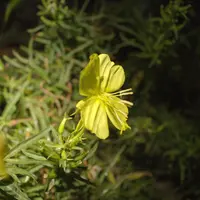
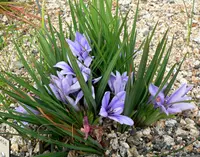
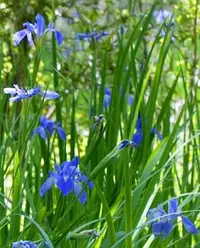
tall fringed bluebells Care (Mertensia ciliata)

Also known as: mountain bluebells
tall fringed bluebells

About tall fringed bluebells

Tall fringed bluebells (Mertensia ciliata) is a cold-hardy perennial wildflower native to moist mountain streams and wetlands in western North America. It forms clumps of leafy stems topped with nodding clusters of tubular, blue to pink-tinged flowers.

The plant prefers cool conditions, consistent moisture, and rich, humus-based soil, which makes it better suited to shaded beds, stream banks, or naturalistic gardens than hot, dry sites. Its needs are moderate, but gardeners must protect it from heat and drought to successfully care for tall fringed bluebells.

Main Plant Requirements

Care Difficulty

Moderate Care

Light Preference

Partial Shade

Water Requirements

Keep Soil Moist

Temperature Preference

Cold Hardy

Hardiness Zone

3–8

Soil Texture

Loamy, Silty, Organic-rich

Soil pH

Acidic (5.5–6.5), Slightly acidic (6.5–7.0)

Soil Drainage

Waterlogged tolerant

Fertilization

Minimal (feed rarely)

Get Personalized Care Plan

Scan your plant to receive care tips personalized for your specific plant

Available on iOS and Android

How to Care for the tall fringed bluebells

This mountain stream native prefers cool, bright conditions with protection from intense midday sun.

  • Provide 3–5 hours of soft morning sun or dappled light under open trees; tall fringed bluebells perform best with afternoon shade.
  • Site plants where they receive bright shade or filtered light the rest of the day, similar to a north or east-facing slope or streambank edge.
  • Watch foliage color and texture: pale, scorched, or crispy leaves signal too much direct sun, while weak, floppy stems indicate insufficient light.

This species is adapted to consistently moist, cool soils and does not tolerate prolonged drying.

  • Keep soil evenly moist, allowing only the top 1–2 cm to lose surface sheen between waterings in garden beds along streams or in other damp sites.
  • Ensure soil is rich, humusy, and drains slowly but does not stay stagnant; standing water with a sour smell or black, mushy roots indicates overwatering.
  • During hot, dry spells, increase watering frequency and monitor for wilting or drooping leaves, which show Mertensia ciliata is short of moisture.

This cold-hardy perennial thrives in cool summers and withstands significant winter chill.

  • Optimal growing temperatures are around 50–70°F (10–21°C); growth slows above 75°F (24°C), especially in full sun or dry conditions.
  • The plant tolerates winter lows well below 32°F (0°C) when dormant, but new spring shoots can be damaged by late hard frosts below about 25°F (-4°C).
  • In hotter regions, aim for cooler microclimates, such as north-facing slopes or near water, where summer highs stay closer to 70–80°F (21–27°C).

This streamside perennial prefers consistently moist, cool air and does not like very dry conditions.

  • Aim for 50–70% humidity, similar to a damp woodland edge, especially in warmer weather.
  • Watch for limp, curling leaves and browned edges as signs of low-humidity stress in tall fringed bluebells.
  • Increase humidity by grouping plants near water features or using pebble trays, rather than misting leaves directly.

This species performs best in moist, deep, organic-rich soil that mimics a cool mountain stream bank.

  • Use a loamy mix with high organic matter: roughly 50% compost, 30% garden loam, 20% coarse sand for structure and drainage.
  • Keep soil consistently moist but not stagnant; water should drain freely while the mix stays evenly damp.
  • Target slightly acidic to neutral pH around 6.0–7.0, which supports nutrient availability for Mertensia ciliata.
  • Avoid heavy, compacted clay or dry, stony substrates; improve aeration by working in coarse sand or fine gravel if soil feels dense.

This plant can be grown in containers, but the pot must closely replicate its naturally moist, cool root environment.

  • Choose a tall, deep container to allow a thicker, cool root zone that stays evenly moist without waterlogging the crown.
  • Select a heavier material such as ceramic to steady the container, since the leafy stems can create a top-heavy effect in wind.
  • Use a saucer only for short-term water capture and empty it promptly so the lower roots do not sit in anaerobic, stagnant water.

Mertensia ciliata is a low-nutrient, streamside native that needs only light feeding when soils are poor.

  • Use a thin layer of compost or a diluted balanced NPK fertilizer (around 1/4 strength) in early spring as new growth emerges.
  • Feed at most 1–2 times during the growing season if foliage looks pale or growth is weak.
  • Avoid high-nitrogen products, which can cause lush, floppy growth and fewer flowers.
  • Do not feed during dormancy or winter; tall fringed bluebells naturally rest with top growth gone.

Mertensia ciliata needs only light pruning to keep clumps tidy and healthy.

  • In late spring to early summer, shear off spent flower stalks at the base to neaten plants and focus energy into roots.
  • Remove dead, damaged, or rotting stems whenever noticed, using clean hand pruners or scissors.
  • Thin out congested stems after flowering to improve air flow and reduce foliar disease risk.
  • Allow healthy foliage to remain until it yellows naturally, then cut back to ground level in fall.

This species is usually grown in the ground; focus on careful transplanting rather than frequent repotting.

  • Transplant in early spring or early fall when temperatures are mild and soil is moist, avoiding heat or drought periods.
  • Move plants if growth declines, clumps become crowded, or roots circle inside a nursery pot.
  • Lift with a generous root ball, disturbing roots as little as possible to limit transplant shock.
  • Replant at the same depth in a cool, moist, well-drained site, then water thoroughly and keep soil evenly damp.

Mertensia ciliata is most often propagated by seed or by careful division of established clumps.

  • Sow fresh seed in fall outdoors to benefit from natural winter cold stratification that breaks dormancy.
  • Provide consistently moist, cool soil and light shade for germination in late winter to spring.
  • Divide mature clumps in early spring, keeping divisions with several shoots and a solid root mass.
  • Replant divisions immediately at original depth, water well, and maintain even moisture until established.

This streamside perennial is cold hardy and usually needs minimal winter attention in the ground.

  • Plants die back to the crown after frost; allow stems to wither, then cut to ground level once fully dry.
  • In colder zones or exposed sites, apply a 5–8 cm layer of loose mulch over the root zone after the ground cools.
  • Container-grown plants benefit from being sunk into the ground, clustered together, or moved to an unheated but frost-free space.

Care Tips

Streamside-style mulching

Apply a 3–5 cm layer of fine bark or leaf mold around the clump each spring to mimic moist mountain stream banks, keeping the crown uncovered to prevent rot while helping the soil stay cool and evenly moist.

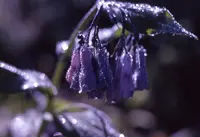
Summer shade transition

In hotter regions, install a low shade cloth or plant on the east side of a taller perennial so the foliage is shielded from strong afternoon sun after flowering, which reduces stress and extends leaf life.

Seasonal clump division

Every 3–4 years, divide mature clumps in early spring as new shoots emerge, replanting divisions immediately at the same depth to maintain vigor and prevent the center of the plant from thinning out.

Moisture-buffered site

Plant slightly above a swale, pond edge, or along a drip line where water is consistent but not stagnant, using shallow basins or edging stones to hold extra moisture around the root zone without waterlogging.

Slugs and snails barrier

In damp sites, place rough mineral barriers such as crushed gravel or sharp grit in a 5–8 cm band around young shoots to reduce slug and snail damage without relying solely on baits, which is especially useful when caring for tall fringed bluebells in woodland-style plantings.

Common Pests and Diseases

Leaf spot fungi

This disease causes small water-soaked or dark brown spots on leaves that may expand and merge in cool, wet conditions along streams where the plant naturally grows.

Solution

Remove and discard affected leaves, avoid overhead watering in garden settings, and thin crowded clumps to improve airflow; in persistently wet areas, space plants farther apart or move cultivated clumps to a site with good drainage to reduce infection pressure.

Powdery mildew

This disease appears as a white to gray powdery coating on leaf surfaces, often following periods of warm days and cool, humid nights.

Solution

Cut back and dispose of heavily infected foliage, increase spacing and airflow around plants, and if needed apply a sulfur or potassium bicarbonate-based fungicide labeled for ornamentals, making sure leaves dry quickly after watering.

Slugs and snails

These pests feed on the tender foliage, leaving irregular holes, shredded leaf edges, and slime trails, especially in moist, shaded streambank habitats favored by this species.

Solution

Hand-pick slugs and snails in the evening, use iron phosphate bait around plant clusters, and reduce hiding places such as dense mulch or boards to lower local populations when growing tall fringed bluebells in gardens.

Aphids

These insects cluster on young stems and leaf undersides, sucking sap and causing curling, distorted growth and sticky honeydew that can attract sooty mold.

Solution

Rinse colonies off with a firm stream of water, encourage natural predators like lady beetles, and if populations persist use an insecticidal soap or horticultural oil, ensuring thorough coverage of stems and leaf undersides.

Interesting Facts

Color-changing blossoms

Flower buds start pink and shift to sky blue as they open, due to changes in cell sap pH that alter the way petal pigments reflect light.

Mountain stream specialist

This species naturally grows along cold, fast-flowing streams and seeps in high-elevation mountain habitats of the Rocky Mountains and nearby ranges, often forming dense colonies on moist banks and floodplains.

Early-season pollinator resource

The tubular flowers bloom in late spring to early summer and are visited by bumble bees, solitary bees, and some butterflies that can reach the nectar deep inside the corolla.

Botan icon

Did you know?

This species is one of the larger bluebells in western North America, capable of forming tall, lush clumps with flowering stems commonly reaching 60–120 cm in ideal, cool, streamside habitats.

FAQs about tall fringed bluebells

Yes, this species is very attractive to native bees, bumblebees, and some butterflies, especially in moist mountain or streamside plantings. Tubular flowers provide nectar and pollen, so it supports local pollinator populations when planted in groups.

Grow Healthy Plants with Botan Care

Keep your plants happy and healthy with plant identification, disease detection, and easy care guidance.

Botan plant care app — identify plants on mobile

Explore More Plants