Sweet Bobbejaantjie Care (Babiana sambucina)

Sweet Bobbejaantjie

About Sweet Bobbejaantjie

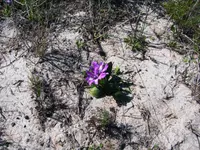
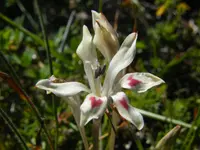
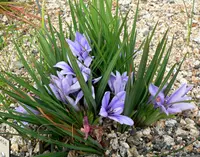
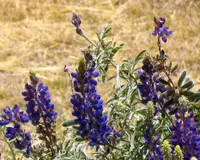
Sweet bobbejaantjie (Babiana sambucina) is a small, corm-forming flowering plant in the iris family, grown mainly for its showy, fragrant blooms. It typically produces narrow, upright leaves and short flowering stems topped with clusters of starry, often purple or blue flowers.

This species is native to South Africa, where it grows in open, sunny habitats with a marked dry season. It is moderately easy to grow if its seasonal rhythm is respected, since it prefers a dry rest period after flowering. Gardeners who learn how to care for Sweet Bobbejaantjie usually find it reliable in well-drained soil with good light and controlled moisture.

Main Plant Requirements

Care Difficulty

Moderate Care

Light Preference

Full Sun

Water Requirements

Moderate Water

Temperature Preference

Warm Climate

Hardiness Zone

9–11

Soil Texture

Sandy, Loamy, Organic-rich

Soil pH

Acidic (5.5–6.5), Slightly acidic (6.5–7.0)

Soil Drainage

Well-drained

Fertilization

Light (every 4–6 weeks)

Get Personalized Care Plan

Scan your plant to receive care tips personalized for your specific plant

Available on iOS and Android

How to Care for the Sweet Bobbejaantjie

This cormous perennial needs bright, direct sun to flower well in its spring growing season.

  • Provide 6–8 hours of full sun daily, with morning and midday sun preferred; light afternoon shade helps in very hot, inland sites.
  • Tolerates light partial shade (3–4 hours sun), but flowering and stem strength decline as shade increases, especially in Sweet Bobbejaantjie clumps.
  • In Mediterranean climates, plant in an open, south- or west-facing spot; protect from reflected heat that can scorch leaves in late spring.

This seasonal bulb prefers evenly moist, sharply drained soil during growth and much drier conditions when dormant.

  • During active growth and flowering, water when the top 3–5 cm of soil feel dry, aiming for moist but never saturated soil around the corms.
  • Use gritty, free-draining soil so excess water runs off quickly; prolonged puddling or a sour smell indicates overwatering and possible rot in Babiana sambucina.
  • As foliage yellows and dies back after flowering, reduce watering sharply, then keep almost dry through summer dormancy, giving only light sips in very dry climates.

This species grows best in mild, Mediterranean-type climates with cool, moist winters and dry, warm summers.

  • Optimal growth occurs around 55–70°F (13–21°C) during the active winter–spring season, with slightly cooler nights improving flowering.
  • Corms tolerate brief drops to about 25°F (-4°C) if soil is well drained, but repeated hard frosts or frozen, waterlogged ground greatly increase rot risk.
  • In hotter regions, plants handle up to 85–90°F (29–32°C) when soil is dry and they are dormant; active growth suffers in prolonged heat combined with high moisture.

Humidity plays a minor role for Babiana sambucina, which adapts well to typical indoor air.

  • Tolerates 30–50% humidity without special measures, making Sweet Bobbejaantjie suitable for most heated homes.
  • Dry air mainly becomes an issue only if combined with heat stress, causing leaf tips to brown and flower buds to shrivel.
  • If air is very dry, group pots together or place the container on a pebble tray to create a slightly more humid microclimate.

Babiana sambucina prefers a light, sharply drained mix that stays airy around the corms.

  • Use sandy or gritty loam with 30–50% coarse sand or fine gravel to prevent water collecting around the corms.
  • In containers, mix roughly 2 parts peat-free potting mix with 1 part sharp sand and 1 part perlite for strong drainage and aeration.
  • Aim for slightly acidic to neutral pH, around 6.0–7.0, which supports nutrient uptake without risking toxicity.
  • Avoid heavy clay, compacted mixes, or waterlogged beds, which quickly cause corm rot and weak, floppy growth.

This species suits container growing, especially in regions with cold winters or very wet soils.

  • Choose a pot at least 20–25 cm deep so corms can be planted at correct depth while still allowing space for offsets below.
  • Select terracotta or other porous material to let excess moisture evaporate faster, reducing corm rot risk after rain or watering.
  • Lift the container slightly on pot feet or bricks so drainage holes stay clear and water runs off quickly after irrigation or storms.

Babiana sambucina benefits from light, targeted feeding during its active growing season.

  • Apply a balanced, water-soluble fertilizer (around 10-10-10) at 1/2 strength every 3–4 weeks in spring while foliage is growing.
  • Use a thin topdressing of fine compost around, not on, the corms to improve soil structure and nutrient availability.
  • Avoid high-nitrogen products that push soft leaf growth at the expense of flowers in Sweet Bobbejaantjie.
  • Stop feeding once leaves yellow and the plant enters dormancy, and do not fertilize dormant corms over winter.

Pruning needs for Babiana sambucina are minimal and focus on post-flowering cleanup.

  • In late spring or early summer, remove spent flower spikes at the base with clean scissors to tidy the plant and reduce seed set.
  • Allow green foliage to die back naturally; only trim leaves once they are fully yellow and dry to support corm energy storage.
  • Cut away any damaged, diseased, or badly bent leaves promptly to improve air flow and reduce disease risk.
  • Disinfect cutting tools before and after use with alcohol or a 10% bleach solution to avoid transmitting pathogens.

This species is usually grown from corms and only needs infrequent repotting or lifting for division.

  • Check containers every 2–3 years; crowded corms, roots circling drainage holes, or reduced flowering indicate a need to move or divide.
  • Plan repotting or outdoor transplanting for late summer to early fall, after foliage has fully died back and corms are dormant.
  • Lift corms gently, shake off loose soil, and separate offsets, keeping any damaged or shriveled corms discarded to limit rot risk.
  • Replant corms at the same depth in fresh, sharply drained mix, water lightly once, then keep just barely moist to reduce transplant shock.

Babiana sambucina is commonly propagated by corm division and sometimes from seed under controlled conditions.

  • Divide clumps in late summer or early fall when the plant is fully dormant, gently separating firm, healthy offsets from parent corms.
  • Replant divisions in free-draining sandy or gritty soil, spacing corms so they do not touch, and water lightly after planting.
  • For seed, sow fresh in shallow trays with well-drained mix, keep at 60–68°F, and maintain lightly moist but never waterlogged conditions.
  • Grow seedlings on in bright, cool conditions and expect flowering after 2–3 years, depending on vigor and growing conditions.

This cormous plant has limited frost tolerance and needs attention in colder climates.

  • In mild regions with light frosts, apply a dry mulch layer 5–7 cm deep over the planting area after foliage dies back.
  • In colder zones below about 20–25°F, lift corms after dieback, dry them, and store in breathable paper bags in a cool, frost-free place.
  • For containers, move pots indoors to a bright, cool, frost-free spot, watering sparingly to keep the mix just barely dry during dormancy.

Care Tips

Staggered lifting

In cold or very wet winter climates, dig and lift only a portion of the corms each year for storage, leaving the rest in the ground so flowering is not completely lost if stored corms fail or rot.

Corm size selection

Before replanting, grade corms by size and plant the largest together for the most reliable flowering display, keeping small offsets in a separate nursery area until they reach flowering size.

Dense clump planting

Plant corms in tight groups rather than single scattered spots to create a fuller floral display and to make it easier to protect and monitor a single concentrated planting area.

Targeted frost protection

In regions with late spring frosts, keep a lightweight frost cloth or horticultural fleece ready and cover emerging shoots on forecast frost nights to prevent bud damage and distorted flowers.

Labeling and mapping

Use durable labels and note the planting layout on a simple sketch or in a gardening app so that when caring for Sweet Bobbejaantjie during dormancy, the underground corms are not disturbed by other digging or planting.

Common Pests and Diseases

Gladiolus thrips

This pest pierces leaves and flower spikes, causing silvery streaks, browning, and distorted buds that may fail to open.

Solution

Cut and dispose of heavily damaged flower stems and surrounding debris, then rinse foliage and buds with a strong stream of water and apply a targeted insecticidal soap or neem oil, repeating every 5–7 days during warm, dry periods. Avoid planting Babiana corms next to heavily infested gladiolus or other Iridaceae, and rotate planting areas yearly to reduce thrips buildup.

Narcissus bulb fly

This pest lays eggs on or near corms, and the larvae tunnel inside, leading to soft, collapsing plants that fail to emerge or wilt early.

Solution

Lift and inspect corms that fail to sprout or show weak growth, discarding any that feel soft, hollow, or rotten. Replant only firm, healthy corms, cover planting holes a bit deeper (7–10 cm) to make access harder for flies, and use fine mesh or fleece over pots or small beds from late spring to mid-summer to reduce egg laying.

Corm rot (Fusarium)

This disease causes brown, sunken lesions on corms and leads to poor emergence, yellowing foliage, and sudden collapse of shoots in active growth.

Solution

Dig up affected plants, discard all soft or discolored corms, and allow any borderline but still firm corms to dry thoroughly in a warm, airy place before dusting with a sulfur-based fungicidal powder. For ongoing Babiana sambucina plant care, replant only sound corms in a sharply draining, gritty soil mix and avoid overhead watering that keeps the crown wet for long periods.

Gray mold (Botrytis)

This disease thrives in cool, damp conditions and causes spotting on leaves and flowers, followed by soft rot and gray fuzzy mold on affected tissues.

Solution

Remove and dispose of all infected leaves, flowers, and plant debris at once, then improve spacing and airflow around plants and avoid wetting foliage when watering. During prolonged wet weather, prevent recurrence by keeping the planting area clean, staking or supporting dense clumps, and, in severe cases, using a labeled ornamental fungicide as a short-term supplement to good cultural practices when caring for Sweet Bobbejaantjie.

Interesting Facts

Scented elderflower blooms

The flowers are strongly fragrant and often compared to elderflower or sambucus, which is reflected in the species name sambucina referring to its elder-like scent.

Nocturnal pollinator strategy

The species opens its tubular flowers widely and releases more scent in the evening, an adaptation that helps attract night-active moth pollinators in its native South African habitats.

Corm-forming winter grower

This plant survives hot, dry summers as a dormant underground corm and resumes growth with cool, moist winter conditions typical of the winter-rainfall regions of the Western Cape.

Botan icon

Did you know?

In the wild, this species often occurs in small, localized colonies on sandy or granite-derived soils in the Western Cape of South Africa, and habitat loss has made some of its naturally occurring populations increasingly uncommon in the landscape.

FAQs about Sweet Bobbejaantjie

This species usually blooms in late winter to mid-spring, depending on climate. The main display often lasts 4–6 weeks, with individual flowers open for several days but new buds continuing to replace them.

Grow Healthy Plants with Botan Care

Keep your plants happy and healthy with plant identification, disease detection, and easy care guidance.

Botan plant care app — identify plants on mobile

Explore More Plants