bulb onion Care (Allium cepa)

Also known as: Common Onion, Bulb Onion
bulb onion

About bulb onion

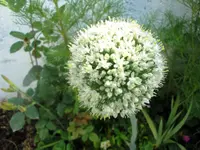
Bulb onion (Allium cepa) is a cool-season herbaceous vegetable grown mainly for its swollen underground bulb and hollow, tubular leaves. It is usually cultivated as an annual, even though it is botanically a biennial.

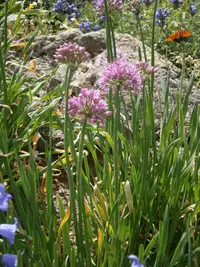
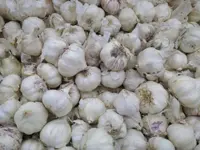
Plants form a compact clump of blue-green leaves, with bulbs varying in size, shape, and color depending on the cultivar. The species likely originated in Central or Southwest Asia and is now grown worldwide in home gardens and farms.

Allium cepa is generally easy to grow if it receives full sun, loose well-drained soil, and steady but moderate moisture. Understanding how to care for bulb onion from planting to bulbing helps achieve firm, well-developed bulbs.


Main Plant Requirements

Care Difficulty

Easy Care

Light Preference

Full Sun

Water Requirements

Moderate Water

Temperature Preference

Cool Climate

Hardiness Zone

3–9

Soil Texture

Sandy, Loamy, Silty

Soil pH

Acidic (5.5–6.5), Slightly acidic (6.5–7.0)

Soil Drainage

Well-drained

Fertilization

Light (every 4–6 weeks)

Get Personalized Care Plan

Scan your plant to receive care tips personalized for your specific plant

Available on iOS and Android

How to Care for the bulb onion

Allium cepa needs strong sun to form full-sized, firm bulbs.

  • Provide 6–8 hours of direct sun daily; full sun is best in open beds or raised rows.
  • Tolerates light afternoon shade in hot climates, but consistent shade reduces bulb size and encourages soft, leafy growth.
  • Monitor in midsummer for leaf scorch or soil drying too fast; use light mulch to protect roots while keeping tops exposed to sunlight.

Onions prefer steady but not excessive moisture around their shallow roots.

  • Water when the top 3–5 cm of soil feels dry, ensuring moisture reaches 10–15 cm deep for stable root access.
  • Use well-drained, loose soil or raised rows so water does not pool; soggy conditions cause yellowing, rot, and a sour smell.
  • Reduce watering as bulbs swell and tops begin to fall over, since too much moisture late in the season delays curing and storage quality.

Temperature strongly influences bulb initiation, growth speed, and final size.

  • Aim for active growth in 55–75°F (13–24°C); cool conditions favor foliage, while slight warmth helps steady bulb expansion.
  • Seedlings tolerate light frosts down to about 28°F (-2°C), but hard freezes can damage young tissue and set growth back.
  • Mature plants handle brief heat up to 90°F (32°C) if soil moisture is stable; use mulch to buffer roots from sudden temperature swings.

This species prefers relatively dry air and rarely shows humidity-related problems in typical home or garden conditions.

Allium cepa grows best in loose, well-aerated mineral soil that never stays waterlogged.

  • Use a sandy or sandy-loam soil with 20–30% mature compost mixed in to support steady nutrient supply.
  • Aim for pH 6.0–7.0; below 6.0, incorporate garden lime according to label rates to reduce acidity.
  • Improve drainage and aeration by working in coarse sand or fine horticultural grit to at least 20–25 cm depth.
  • Avoid heavy clay, compaction, or fresh manure, which encourage rot and produce soft, poorly storing bulbs.

This species is suitable for container growing when the pot is deep enough for roots and bulb expansion.

  • Choose a container at least 25–30 cm deep so roots can spread downward and bulbs do not crowd too quickly.
  • Use a heavy or wide-based pot to prevent tipping when foliage grows tall and acts like a sail in wind.
  • Water until excess drains freely, then discard runoff promptly so the lower pot zone does not stay saturated and suffocate roots.

Allium cepa responds well to moderate, balanced nutrition during active growth.

  • Use a balanced NPK granular fertilizer or well-rotted compost mixed into the topsoil before planting.
  • Side-dress with a light application of balanced NPK once or twice during the growing season, avoiding direct contact with bulbs.
  • Apply at 1/2 strength if using liquid feed, keeping soil evenly moist but not waterlogged after feeding.
  • Stop feeding as tops begin to yellow and bend over so bulbs can mature and store well.

Pruning needs for Allium cepa are simple and focus on maintaining healthy foliage and bulbs.

  • During active growth, remove only yellowing, diseased, or damaged leaves using clean scissors or pruners.
  • Thin crowded seedlings at 5–7 cm spacing to improve bulb size and airflow in the row.
  • Avoid cutting green tops hard, as strong foliage is needed for energy storage in the bulbs.
  • At harvest, bend and allow tops to dry naturally, then trim dry foliage to 2–3 cm for storage.

Onion, Allium cepa, is usually transplanted from seed trays or sets rather than repeatedly repotted.

  • Transplant when seedlings have 3–4 true leaves and roots lightly fill cells, before they tangle or circle.
  • Schedule outdoor transplanting in early spring once soil is workable and daytime temperatures are consistently above freezing.
  • Move plants into loose, well-drained soil, setting bulbs shallow with the neck just above the surface to limit rot.
  • Water thoroughly after transplanting and provide shade cloth or mild protection for 2–3 days to reduce transplant shock.

Most home growers propagate Allium cepa from seed or sets for reliable bulb production.

  • Sow seeds indoors late winter in trays with loose, sterile mix kept at 65–75°F for even germination.
  • Provide strong light and good airflow so seedlings grow stocky rather than weak and elongated.
  • Transplant seedlings or plant purchased sets outdoors in early spring into fertile, well-drained beds.
  • For seed saving, allow selected plants to flower and set dry seed heads, then collect and store in a cool, dry place.

Mature Allium cepa is moderately cold hardy and often needs only basic winter management in temperate climates.

  • In cold regions, mulch beds with 5–7 cm of straw or leaves to buffer freeze–thaw cycles around bulbs.
  • Avoid heavy winter watering; keep soil just slightly moist to limit rot, especially on heavy clay soils.
  • For container-grown onions, move pots to a cold but frost-sheltered area like an unheated garage or cold frame.

Care Tips

Manage bulbing daylight

For reliable bulb formation, choose onion sets or seedlings matched to your local day-length (short-, intermediate-, or long-day types) and plant them in the correct season so they receive the right number of daylight hours at bulbing time.

Use raised beds

Plant onions in raised beds or low mounded rows to keep the upper soil zone well-drained and loose, which reduces risk of rot and allows bulbs to expand evenly at the soil surface.

Gently expose bulbs

Once bulbs start to swell, carefully brush excess soil away from the top third of each bulb so it sits slightly exposed, which improves air flow, reduces rot risk, and encourages uniform sizing when growing bulb onion.

Control neck thickness

Avoid high nitrogen after bulbs begin to swell and do not plant sets too deep so necks stay thin, which helps bulbs cure and store longer without rotting.

Time harvest and curing

When 50–80% of the tops have naturally bent over, stop watering, lift bulbs carefully, and cure them in a single layer in a warm, shaded, airy place for 10–21 days until necks are dry and outer skins are papery.

Common Pests and Diseases

Onion thrips

This pest feeds on onion leaves, causing silvery streaks, small white patches, and tip dieback that can reduce bulb size.

Solution

Monitor foliage regularly and spray plants with a strong jet of water to dislodge insects, then use insecticidal soap or a spinosad-based product, ensuring full coverage of leaf bases and inner folds. Reduce nearby weedy hosts, avoid planting onions next to grain crops, and use reflective mulch or row covers to lower thrips pressure.

Onion maggot

This pest is the larva of a small fly that tunnels into roots and bulbs, causing wilting, yellowing, and plant collapse, often with soft, decaying bulbs.

Solution

Use floating row covers from planting to prevent egg laying, and rotate onion beds so bulbs are not grown in the same area for at least 2–3 years. Remove and destroy infested plants and crop residues, avoid burying uncomposted onion waste in beds, and consider beneficial nematodes in soil where infestations have been severe.

Downy mildew

This disease causes pale, then yellow lesions on leaves, often with a gray-purple fuzzy growth in humid conditions, leading to leaf collapse and smaller bulbs.

Solution

Promote good airflow with adequate spacing and orient rows with prevailing wind to speed drying of foliage, and avoid overhead watering late in the day. Remove and destroy infected foliage promptly, rotate with non-allium crops for at least 3–4 years, and use resistant or tolerant cultivars when available as part of Allium cepa care.

Neck rot

This disease usually appears in storage, where bulbs develop soft, sunken, gray lesions at the neck that progress inward, often covered by gray mold.

Solution

Harvest only well-matured bulbs with tight necks, cure them thoroughly in a warm, dry, well-ventilated place for 10–14 days, and keep storage conditions cool and dry. Remove and discard any suspect bulbs before storage, and avoid injuring necks and outer scales during harvest and handling.

Basal rot

This disease starts at the base of the bulb, leading to yellowing tops, stunted growth, and a dry, brown, rotted basal plate that can progress upward into the bulb scales.

Solution

Plant only healthy sets or transplants and avoid fields or beds with a recent history of onion or other alliums, rotating for at least 3–4 years. Improve soil drainage, avoid overwatering, and discard any plants showing early basal decay to reduce inoculum in the bed.

Interesting Facts

Multiple storage layers

The familiar concentric rings of a bulb onion are actually modified leaf bases that store carbohydrates and water, allowing the plant to survive unfavorable seasons and regrow from the bulb.

Sulfur-based defenses

When an onion cell is damaged, enzymes convert sulfur-containing compounds into volatile molecules like syn-propanethial-S-oxide, which irritates eyes and causes tearing as a defense against herbivores.

Ancient domesticated crop

Archaeological and historical evidence shows that cultivated bulb onions have been grown for several thousand years in regions of Central and Western Asia and were already an important food in ancient Egyptian and Mesopotamian societies.

Botan icon

Did you know?

Bulb onions rarely produce true seeds in home gardens because most grocery and garden onions are biennials that form flowers and seeds only after experiencing a full cool or cold season, which triggers flowering in the second year.

FAQs about bulb onion

Yellowing leaves usually signal natural aging as bulbs mature, but can also result from compacted soil, nutrient deficiency (especially nitrogen), root rot, or pest damage. Check drainage, avoid overwatering, and apply a balanced fertilizer if needed.

Grow Healthy Plants with Botan Care

Keep your plants happy and healthy with plant identification, disease detection, and easy care guidance.

Botan plant care app — identify plants on mobile

Explore More Plants