Portuguese squill Care (Scilla peruviana)

Also known as: Cuban lily
Portuguese squill

About Portuguese squill

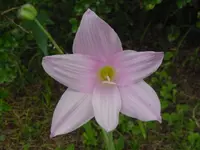
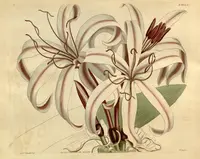
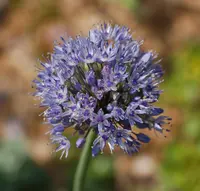
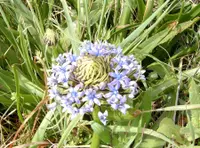
Portuguese squill, Scilla peruviana, is a bulb-forming perennial grown mainly for its dense, cone-shaped clusters of starry blue to violet flowers. The foliage forms a low rosette of strap-shaped leaves, with the flower spikes rising clearly above the leaves in late spring.

This species is native to Mediterranean regions with mild, dry summers and wet winters, so it behaves best in climates with similar conditions. It is considered moderately easy to grow if its bulb stays well drained, especially in winter. Gardeners who learn how to care for Portuguese squill usually focus on providing bright light, free-draining soil, and steady but not excessive moisture during active growth.

Main Plant Requirements

Care Difficulty

Moderate Care

Light Preference

Full Sun

Water Requirements

Moderate Water

Temperature Preference

Warm Climate

Hardiness Zone

8–10

Soil Texture

Sandy, Loamy, Organic-rich

Soil pH

Slightly acidic (6.5–7.0), Neutral (7.0)

Soil Drainage

Well-drained

Fertilization

Minimal (feed rarely)

Get Personalized Care Plan

Scan your plant to receive care tips personalized for your specific plant

Available on iOS and Android

How to Care for the Portuguese squill

This Mediterranean bulb thrives in bright conditions with some protection from harsh sun.

  • Provide 4–6 hours of direct morning sun with light afternoon shade; in hotter regions, use filtered light after 12 pm to prevent leaf scorch on Portuguese squill.
  • In mild coastal climates, full sun is suitable, but monitor for bleaching or crispy leaf tips as a sign of excess radiation.
  • If planted in too much shade, expect weak, floppy foliage and few flower spikes; choose an open spot with unobstructed sky from spring to early summer.

This bulb prefers moist but not saturated soil during active growth and much drier conditions when dormant.

  • From fall sprouting through post-bloom, water when the top 3–5 cm of soil feel dry, allowing moisture to penetrate 10–15 cm deep.
  • Ensure sharply drained soil; puddling for more than 30–40 minutes or a persistent swampy smell suggests overwatering and root rot risk in Scilla peruviana.
  • Once foliage yellows and dies back in late spring or summer, reduce watering drastically, giving only enough to prevent the bulbs from completely baking and shrinking.

This species prefers mild, maritime-style climates and reacts poorly to hard freezes or extreme heat.

  • Ideal growing temperatures are 55–70°F (13–21°C) during active spring growth, with cooler nights that stay above 45°F (7°C).
  • Bulbs tolerate brief dips to about 20–25°F (-6 to -4°C) if soil is well drained and mulched, but repeated hard frosts can damage buds and foliage.
  • In summer, the dormant bulbs handle 80–90°F (27–32°C) if soil is dry; sustained hotter or humid conditions increase rot risk, so avoid overhead irrigation and heavy mulches.

Humidity is rarely a limiting factor for Portuguese squill, as it copes well with typical household and outdoor levels.

  • Target 40–60% humidity, which matches most indoor and mild outdoor climates.
  • Tolerates drier air but leaf tips may brown or buds may abort if combined with chronic underwatering and heat.
  • If air is very dry and hot, group pots together or place the container on a pebble tray with water below the pot base.

Soil for this bulb must drain rapidly while still holding moderate moisture around the roots.

  • Use a sandy or gritty loam with 30–50% mineral material such as coarse sand, fine gravel, or pumice for fast drainage.
  • Blend the mineral fraction with organic components like composted bark or leaf mold to retain some moisture without turning heavy.
  • Aim for slightly acidic to neutral pH, roughly 6.0–7.0, which supports nutrient availability for Scilla peruviana.
  • Avoid dense clay, waterlogged beds, or peat-heavy mixes that stay wet, and add grit or perlite to improve aeration where needed.

This species grows reliably in containers when drainage and bulb depth are managed carefully.

  • Choose a pot deep enough to place bulbs about 8–10 cm below the rim, leaving space above for a dry mulch layer.
  • Use a heavier material such as terracotta or ceramic to help anchor the container against wind once tall flower spikes develop.
  • Fill the pot with a gritty mix and elevate it on pot feet or bricks so drainage holes stay clear and water can escape freely.

This bulb needs only light, targeted feeding to support flowering and bulb health.

  • Apply a balanced, slow-release fertilizer (around 10-10-10) once in early spring as new leaves emerge.
  • In richer soils, use a thin layer of compost instead of granular fertilizer to avoid overfeeding Portuguese squill.
  • Dilute liquid fertilizers to 1/2 strength and use no more than every 4–6 weeks during active growth.
  • Stop feeding once foliage begins to yellow and the plant heads toward dormancy.

Pruning needs for Scilla peruviana are minimal and focused on hygiene rather than shaping.

  • Cut spent flower stems at the base after blooming to tidy the plant and reduce seed formation.
  • Allow green foliage to die back naturally, removing leaves only when fully yellow and dry.
  • Use clean, sharp scissors or hand pruners to remove damaged or diseased leaves promptly.
  • Avoid cutting healthy leaves, as they are needed to recharge bulbs and support next year’s flowers.

This bulb prefers to stay undisturbed and is usually transplanted only when overcrowded or declining.

  • Look for bulbs pushing to the soil surface, crowded clumps, or weaker flowering as signs that division is needed.
  • Transplant or divide bulbs in late summer to early fall, after foliage has fully died back.
  • Lift clumps gently, separate bulbs by hand, and replant at the same depth in well-drained soil to limit root stress.
  • Transplant every 4–6 years at most, water lightly after planting, and avoid heavy disturbance once bulbs are re-established.

Propagation of Scilla peruviana is most reliable from bulb division, with seed used mainly for longer-term increase.

  • Divide mature clumps in late summer or early fall once foliage is fully dormant.
  • Lift bulbs carefully, separate offsets by hand, and discard any soft or moldy material.
  • Replant offsets at the same depth in loose, well-drained soil and water once to settle them in.
  • For seed, sow fresh seed in trays, keep evenly moist in bright, cool conditions, and expect flowering only after several years.

This bulb is moderately hardy but benefits from some winter protection in colder regions.

  • In mild climates (around USDA zones 8–9), bulbs usually overwinter in the ground without special measures.
  • In colder areas, cover the planting area with 5–8 cm of dry mulch to insulate the bulbs.
  • For containers, move pots to a sheltered, frost-free spot and keep soil barely moist, not wet.

Care Tips

Mark Bulb Locations

After foliage dies back, place small, weatherproof markers where clumps are growing so you avoid disturbing bulbs during summer cultivation or planting other species nearby.

Lift And Divide

Every 4–5 years, lift and divide congested clumps in late summer when dormant, replanting only firm, healthy bulbs at the same depth to maintain strong flowering performance.

Encourage Self-Seeding

If you want a naturalized look, leave some spent flower heads on the plant until seed pods dry, then gently shake them over nearby bare patches to extend the colony.

Protect From Overhead Irrigation

In regions that rely on sprinklers, try to irrigate at soil level or run systems early in the day to keep dense flower heads and foliage drier, which reduces fungal spotting and rot risk when caring for Portuguese squill.

Use Grit Mulch

Top-dress the planting area with a thin layer of coarse grit or small gravel around but not over the bulbs to improve surface drainage and keep the bulb necks drier through wet seasons.

Common Pests and Diseases

Bulb aphids

These insects feed on the flower stalks and leaf bases, sucking sap and weakening emerging growth, especially around developing buds. Symptoms include distorted leaves, sticky honeydew, and sooty mold on foliage near the bulb neck.

Solution

Cut and discard heavily infested flower stalks, then rinse remaining foliage with a strong but gentle stream of water to dislodge aphids. For ongoing control, spray affected areas with insecticidal soap or a light horticultural oil, repeating every 5–7 days until new growth appears clean and vigorous.

Narcissus bulb fly

This pest lays eggs near the bulb, and the larvae tunnel inside, hollowing it out and causing yellowing foliage, stunting, or collapse of the plant. Symptoms include soft, decaying bulbs with a single large grub inside when lifted and inspected.

Solution

Lift and destroy any suspect bulbs that feel soft or show tunneling, and do not compost them. In areas with known pressure, plant bulbs a bit deeper, cover planting sites with fine mesh after flowering foliage emerges, and rotate planting spots every few years to reduce fly buildup.

Slugs and snails

These pests chew on tender spring foliage and sometimes the flower scape, leaving irregular holes and silvery slime trails. Damage is most noticeable on young leaves just after emergence from the bulb.

Solution

Hand-pick slugs and snails during damp evenings and remove hiding spots such as dense mulch right around the bulbs. Use iron phosphate slug pellets or beer traps placed near, but not touching, the plant to reduce feeding pressure during the main growth flush.

Basal bulb rot

This disease usually caused by soilborne fungi starts at the basal plate of the bulb, leading to soft, brown tissue, foul odor, and failure of shoots to emerge or rapid yellowing shortly after sprouting. Symptoms include poor stands in clumps where multiple bulbs decline together.

Solution

Dig up and discard any affected bulbs along with surrounding loose soil, then improve drainage by amending heavy soils with grit or planting in raised beds or containers. Replant only firm, healthy bulbs, avoid overhead watering, and allow soil to dry slightly between waterings to limit fungal spread.

Botrytis leaf blight

This disease thrives in cool, damp conditions and attacks leaves and flower stems, causing water-soaked spots that turn brown with a pale halo, sometimes covered with gray fuzzy mold. Symptoms include premature collapse of foliage and blemished flower spikes in crowded plantings.

Solution

Remove and dispose of affected leaves and flower stems as soon as spots appear, and avoid wetting foliage when watering. Improve airflow by thinning dense clumps, reduce overhead irrigation, and in persistently wet climates consider a preventive application of a labeled fungicide at the start of active growth as part of broader Scilla peruviana care instructions.

Interesting Facts

Mediterranean misnamed origin

Despite the species name peruviana, this bulb is native to the western Mediterranean region, including Portugal, Spain, and northwest Africa, not to Peru.

Dense flower cones

The plant produces a compressed cone-like inflorescence that can carry scores of star-shaped violet-blue flowers, each on a short stalk radiating from a central axis.

Evergreen rosette growth

In mild climates the strap-shaped leaves often form an evergreen rosette, allowing the plant to photosynthesize outside the main spring flowering period and store energy in the bulb.

Botan icon

Did you know?

Historical records indicate that the misleading epithet peruviana arose when bulbs were shipped to Europe from a ship named Peru or via a shipment labeled from Peru, leading early botanists to assume a South American origin.

FAQs about Portuguese squill

Lack of flowering usually comes from bulbs being too crowded, insufficient winter chill, or too little light. Allow foliage to die back naturally after bloom, avoid heavy summer watering, and divide congested clumps every few years to restore flowering.

Grow Healthy Plants with Botan Care

Keep your plants happy and healthy with plant identification, disease detection, and easy care guidance.

Botan plant care app — identify plants on mobile

Explore More Plants